Boost Soil: Ramial Wood Chips for Permaculture Farms
PermaNews Brief
Key Takeaways
Ramial wood chips, made from young branches, are an excellent permaculture amendment for improving soil health and fertility, especially for small-scale growers.
- Utilize young branches from fast-growing trees.
- Chip wood into 3-inch pieces for fungal growth.
- Spread 4-6 inches thick on soil surface.
- Harvest branches during spring sap flow.
- Integrate with no-till for best results.
Why It Matters
Implementing ramial wood chips builds soil health, improves water retention, and reduces reliance on external inputs, leading to more resilient and sustainable growing systems.
What to Do Next
Identify local, fast-growing trees like aspen and plan for spring branch collection to start your own ramial wood chip production.
Recommended for: Small-scale growers, market gardeners, and permaculture practitioners seeking to enhance soil fertility and resilience with on-site resources.
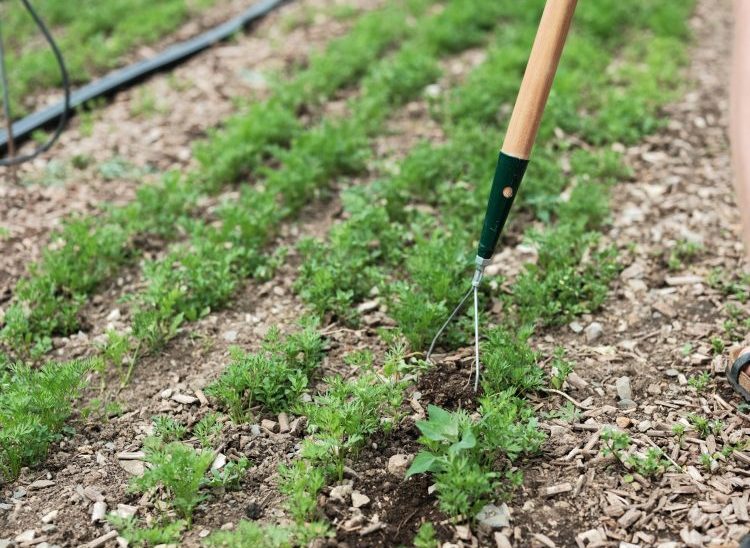
This practical guide outlines ramial wood chips (RWC) as a key permaculture amendment for building soil health, fertility, and farm resilience using abundant on-site wood resources. Focused on small-scale growers, it emphasizes harvesting branches from fast-growing trees like aspen during spring growth for optimal nutrient content, then chipping them into high-carbon mulch. Implementation involves a low-tech BCS walk-behind tractor with a chipper attachment to process wood into shreds ideal for fungal growth, which enhances soil vitality. Applications include mulching crop rows and aisles to prevent weeds, retain humidity, and generate fertility in place, closing the sustainability loop without external inputs. Specific techniques: cut top branches when trees push energy upward; chip into 3-inch pieces; spread 4-6 inches thick for immediate moisture conservation and long-term soil building as fungi break it down. Benefits documented include economic viability from free local resources, alignment with permaculture principles of observing and using nature's cycles, and emotional rewards of land connection. Unlike tillage or chemicals, RWC fosters a living soil food web, supports biodiversity, and enables self-sufficient operations resilient to disruptions. The method scales from orchards to market gardens, with real-world examples of annual harvests yielding renewable mulch. Key insights: timing harvest for sap flow maximizes fungal food; integrate with no-till systems for compounded effects on water retention and yield. This hands-on approach provides concrete steps for practitioners to regenerate degraded soils, boost productivity, and achieve regenerative living through resource-efficient, ecosystem-mimicking practices.
Source: themarketgardener.com
Related Analysis
- Baltimore Researchers Reject Yield as Urban Farm Success Metric — Several sources suggest urban agriculture is being recast from food supplement to food sovereignty tool, with peer-revie…
- Urban Food Forest Tours Signal Shift From Passive Gardens — Several initiatives indicate urban food forests are evolving into hands-on design and education hubs — distinct from con…
Related on PermaNews
- Essential Role of Topsoil in Earth's Life Systems (Video)
- Hugelkultur Showdown Featuring Paul Wheaton and Beau Davidson (Video)
- Soil Health Secret: Fix Soil Forever With This One Amendmen (Video)
- Regenerative Farms Ditch Fertilizer, Thrive for Years (Video)
- Weedkiller-Exposed Farm Soil: Superbug Hotbed? (Article)
- Nachhaltige Landwirtschaft: Klimaresilienz durch Permakultur (How-To Guide)
Explore more in Food Systems & Growing — the full hub for this knowledge area.