Pig Tractor: Before & After Permaculture Transformation
By Justin Rhodes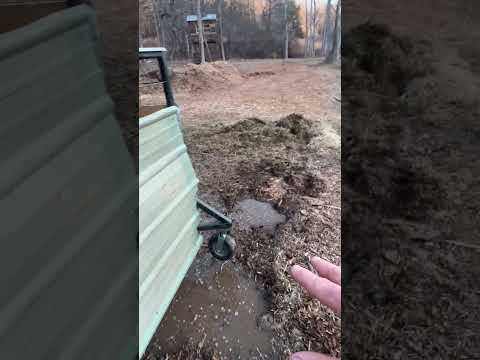
TL;DR: A pig tractor system uses pigs in a movable enclosure to naturally till, fertilize, and clear land, transforming dense vegetation into prepared soil for gardening.
- Pig tractors use animals for natural land preparation.
- Pigs till and aerate soil by rooting and digging.
- Manure fertilizes the soil with essential nutrients.
- Movable enclosures concentrate pig impact.
- Transforms dense vegetation into fertile ground.
Why it matters: This method offers a sustainable and labor-saving alternative to conventional land clearing, enhancing soil health and fertility naturally.
Do this next: Consider how a pig tractor could integrate into your land preparation strategy for new garden beds.
Recommended for: Those interested in sustainable land preparation, soil health, and integrating livestock intelligently into their growing systems.
This article details the before and after effects of utilizing a "pig tractor" system, a method of animal-powered land preparation often employed in permaculture and regenerative agriculture. The core concept involves containing pigs within a movable, open-bottomed enclosure, allowing them to naturally till, fertilize, and clear vegetation from a designated area.
The "before" state of the land is typically characterized by dense, established vegetation, often including weeds, grasses, and sometimes even small brush. The soil might be compacted, and its nutrient content could be imbalanced or depleted due to previous land use or lack of organic matter. The article implies that the initial condition of the land was challenging, requiring significant effort to convert into a productive garden or growing space using conventional methods. This initial state often presents a barrier to establishing new crops or improving soil health, as manual or mechanical clearing can be labor-intensive, costly, and potentially damaging to the existing soil structure.
The "pig tractor" itself is described as a sturdy, yet portable, structure designed to house a small number of pigs. Its open bottom allows the pigs direct access to the ground. As the pigs forage, root, and dig for food within the confines of the tractor, they effectively break up compacted soil, aerate it, and incorporate organic matter. Their natural behaviors of rooting and digging are harnessed to perform the work of tilling. Furthermore, their manure is deposited directly onto the soil, acting as a natural fertilizer rich in nitrogen and other essential nutrients. The article suggests that the size and design of the pig tractor are crucial for its effectiveness, allowing for efficient movement and adequate space for the animals while concentrating their impact on a specific area.
The "after" state of the land, following the use of the pig tractor, presents a stark contrast to its initial condition. The dense vegetation is significantly reduced or entirely cleared, leaving behind a relatively bare and prepared seedbed. The soil is visibly loosened, aerated, and enriched with organic matter from the pigs' activities and their manure. The article highlights that the soil structure is improved, becoming more friable and conducive to planting. This natural tilling process avoids the negative impacts of heavy machinery, such as further compaction or disruption of beneficial soil microorganisms. The incorporation of manure directly into the soil also means that nutrients are immediately available for subsequent planting, reducing or eliminating the need for synthetic fertilizers.
Beyond the physical transformation of the land, the article implicitly points to several ecological benefits. The pigs' activity can help control pests and diseases by disrupting their life cycles in the soil. The natural fertilization process contributes to a more robust and resilient soil ecosystem. By clearing vegetation, the pig tractor also prepares the ground for new plantings, potentially accelerating the establishment of gardens, food forests, or pasture improvements. The overall outcome is a more fertile, workable, and biologically active soil, ready for the next stage of agricultural development, all achieved through a sustainable and animal-powered approach. The article effectively demonstrates the transformative power of integrating livestock into land management for regenerative purposes.