Indoor Gardening: Essential LED Grow Light Guide
By Ricardo Orlando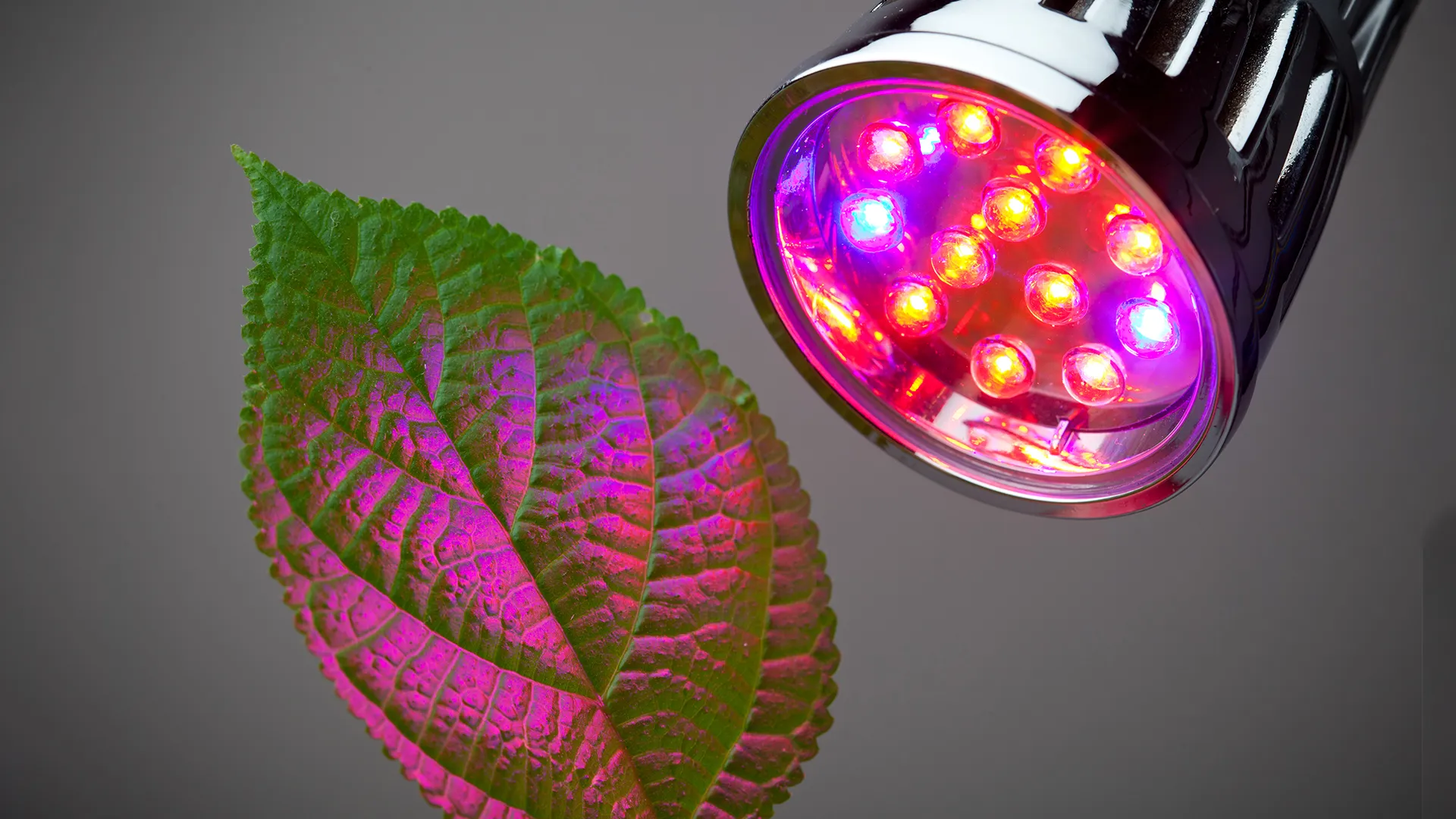
PermaNews Brief
Key Takeaways
Optimized LED grow lights are crucial for indoor gardening, balancing light spectrum and intensity for different plant growth stages and maximizing energy efficiency.
- LEDs replace natural sunlight for indoor plant growth.
- Blue light aids vegetative growth, red light promotes flowering.
- Full-spectrum LEDs mimic natural sunlight.
- Light intensity (PPFD) must match plant needs.
- LEDs are more energy-efficient than traditional grow lights.
Why It Matters
Understanding LED grow light technology allows indoor gardeners to significantly improve plant health and yield, reducing energy costs.
What to Do Next
Research the specific light spectrum and intensity (PPFD) requirements for the plants you currently grow or plan to grow indoors.
Recommended for: Indoor gardeners and urban farmers looking to enhance plant development and sustainability through advanced lighting solutions.
For indoor gardeners aiming to optimize plant growth, understanding the role and selection of LED grow lights is crucial. These lights serve as a substitute for natural sunlight, delivering the necessary spectrum and intensity for photosynthesis. The market offers a diverse range of LED grow lights, each with specific characteristics that cater to different plant needs and growing environments.
One fundamental aspect to consider is the light spectrum. Plants utilize various wavelengths of light for different physiological processes. Blue light is essential for vegetative growth, promoting strong stems and leaves. Red light, on the other hand, is vital for flowering and fruiting. Full-spectrum LED lights aim to mimic natural sunlight, providing a balanced blend of wavelengths that support all stages of plant development. Some specialized LED lights might emphasize certain spectrums, such as those designed specifically for seedlings or for maximizing bloom production.
Light intensity, measured in Photosynthetic Photon Flux Density (PPFD), is another critical factor. Different plants have varying light requirements; some thrive under high intensity, while others prefer more moderate levels. Overly intense light can cause stress or even damage to plants, while insufficient light will lead to stunted growth. Growers need to match the PPFD output of their LED lights to the specific needs of their plant species. The distance between the light source and the plant canopy also significantly impacts the effective light intensity received by the plants.
The efficiency of LED grow lights is a major advantage. They consume less energy compared to traditional grow lights like High-Pressure Sodium (HPS) or Metal Halide (MH) lamps, leading to lower electricity bills. This energy efficiency also translates to less heat generation, which is beneficial for indoor growing environments. Excessive heat can stress plants and necessitate additional cooling systems, increasing overall operational costs. The reduced heat output of LEDs often simplifies temperature management within the grow space.
The lifespan of LED grow lights is another compelling feature. They typically last much longer than other types of grow lights, reducing the frequency and cost of replacements. This durability contributes to the long-term economic viability of using LEDs for indoor gardening. While the initial investment in LED grow lights can sometimes be higher than traditional options, their energy efficiency and extended lifespan often result in lower overall costs over time.
When selecting LED grow lights, several practical considerations come into play. The size of the grow area dictates the coverage area required from the lights. Growers need to ensure that the chosen lights can adequately illuminate the entire plant canopy. The type of plants being grown is also paramount; leafy greens will have different light requirements than fruiting plants like tomatoes or peppers. The budget available will also influence the choice, as there is a wide price range for LED grow lights with varying features and quality.
Furthermore, features like dimmability and programmable timers can enhance the functionality of LED grow lights. Dimmable lights allow growers to adjust the light intensity according to the plant's growth stage or specific needs, offering greater control. Integrated timers automate the light cycles, ensuring plants receive consistent periods of light and darkness, which is crucial for their biological rhythms. Some advanced LED systems even offer app control, allowing growers to monitor and adjust settings remotely.
In summary, choosing the right LED grow lights for an indoor garden involves a comprehensive assessment of light spectrum, intensity, energy efficiency, lifespan, and practical considerations like grow area size and plant type. By carefully evaluating these factors, indoor gardeners can select LED grow lights that effectively support healthy plant growth and maximize yields.
Source: urbanfarmonline.com
Related Analysis
- Practitioners Build Silvopasture Playbook Before Researchers Catch Up — A small but consistent set of signals from the Northeast U.S. shows farmers actively piloting silvopasture while formal …
- New Research Splits Silvopasture's Profit Case From Its Ecology — A small but consistent set of signals indicates silvopasture is shifting from ecological ideal to quantified economic ca…
Related on PermaNews
- May 2026 Garden Tour: 99% of Our Fresh Food Grown in Containers (Video)
- The Ultimate Chicken Tractor for Complete Self-Sufficiency (Free Plans) (Video)
- Valuable Harvest: Year-Round Container Gardening on Rocks (Video)
- Transforming Corporate Campuses into Edible Landscapes: Start Now! (Video)
- Ep. 424: 10 Free Feeds from Waste – Permaculture for Meat (Podcast)
- GrowTree Organics: Empowering Community Food Production (Video)
Explore more in Food Systems & Growing — the full hub for this knowledge area.