Tyler Flynn: Ranching, Livestock Integration in NorCal
By Grazing Grass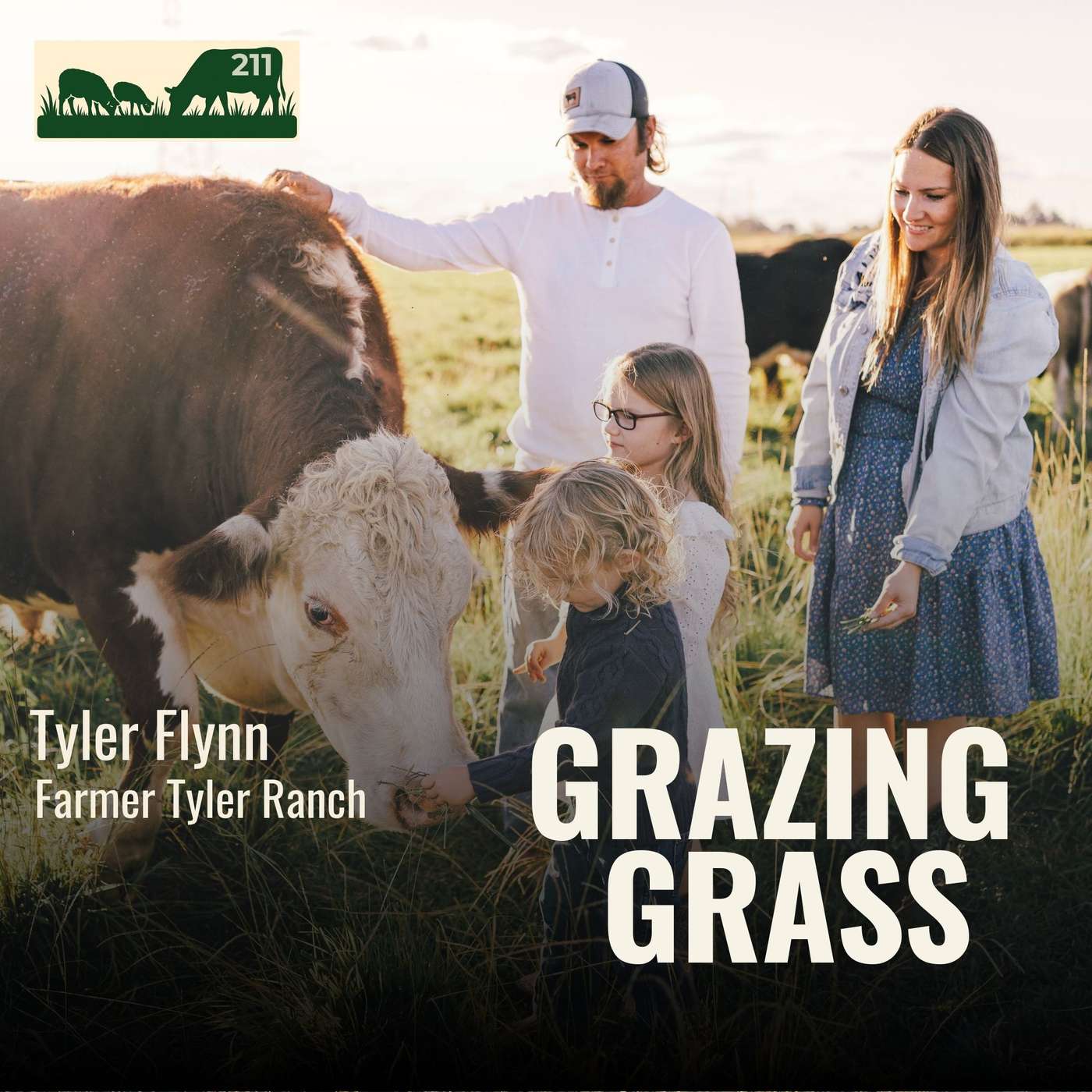
TL;DR: Tyler Flynn transformed a family ranch in Northern California into a productive cow-calf operation by implementing adaptive grazing with short rest periods on irrigated pastures and innovative hay management.
- Short rest, irrigated pasture rotation boosts ranch productivity.
- Transitioning to round bales improved hay management efficiency.
- Baling grazed pastures enhances overall pasture health.
- Strategic baling controls smut grass spread effectively.
- SimAngus genetics improve cattle vigor and performance.
- YouTube content creation drives farming experimentation.
Why it matters: Tyler Flynn's experience showcases how smaller acreages can achieve high productivity through adaptive management and technological integration, offering a replicable model for other ranchers facing similar environmental constraints.
Do this next: Explore how short rest periods in irrigated pasture rotation could enhance your land's productivity.
Recommended for: Ranchers and farmers interested in intensive grazing, hay management innovations, and integrating social media for farm development.
Tyler Flynn operates Farmer Tyler Ranch, a modest beef cow-calf enterprise situated in Northern California. In addition to his cattle, he cultivates hay and maintains small numbers of pigs and chickens primarily for his family's consumption. Flynn extensively documents his farming activities and the insights gained from his experiences on his YouTube channel.
His journey involved returning to a family ranch and establishing a cow-calf business on a relatively small land area. The Northern California environment presents specific conditions, including the presence of irrigated pastures, proximity to rice-growing regions, and distinct seasonal rainfall patterns. Flynn employs a system of irrigated pasture rotation, characterized by short rest periods, a strategy he finds effective within his operational context.
A significant shift in his hay management involved transitioning from small square bales to round bales. This change was influenced by various factors, leading him to re-evaluate his initial preferences. He also utilizes hay equipment not just for harvesting but as a tool for pasture enhancement. This includes the practice of baling pastures after they have been grazed, which contributes to overall pasture health and management.
Flynn actively addresses weed challenges, specifically targeting smut grass. His approach involves cutting and baling the problematic grass, and then carefully managing where these bales are fed to prevent further spread. Regarding his cattle herd, he has focused on breed composition over time. While the herd has Hereford roots, he has incorporated SimAngus genetics to leverage heterosis, aiming for improved performance and vigor in his animals.
His involvement with YouTube has played a notable role in shaping his management decisions and fostering an environment of experimentation on the ranch. He shares practical advice for other farmers interested in creating video content, emphasizing the importance of good audio quality, stable camera footage, and consistent posting schedules. He recommends tools such as GoPro cameras for video capture, tripods for stability, and external microphones for superior audio.
The discussion highlights that effective farm management must be tailored to the specific location and the individuals responsible for its operation. Flynn's experiences illustrate what proves successful on irrigated pastures in Northern California. He elaborates on his thought process regarding rotation lengths, decisions concerning equipment, and strategies for managing weed pressure. The conversation underscores the importance of consistency and realism in balancing the demands of time, labor, and livestock management. The overarching message is that successful farming is a dynamic process requiring adaptability and a deep understanding of one's unique circumstances.