Winter's Vitamin C: Foraging White Pine Needles
By Willows Green Permaculture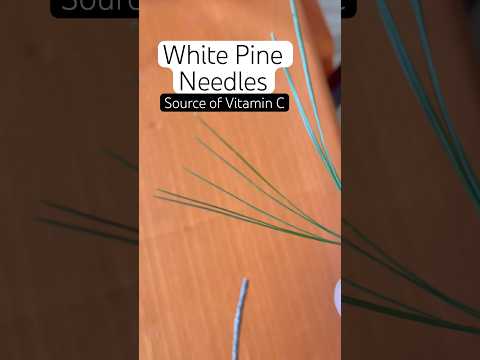
PermaNews Brief
Key Takeaways
Winter foraging for Eastern White Pine needles offers a natural and accessible source of vitamin C and other beneficial compounds.
- White Pine needles are a good mid-winter source of Vitamin C.
- Learn to identify Eastern White Pine by needles in bundles of five.
- Pine needle tea extraction is a simple process for consumption.
- Pine needles offer antioxidants and beneficial phytonutrients.
- Accurate identification is crucial for safe foraging and consumption.
Why It Matters
As fresh produce becomes scarce in winter, understanding alternative natural nutrient sources like white pine needles can significantly boost immunity and overall health.
What to Do Next
Learn to identify Eastern White Pine in your local area for safe foraging.
Recommended for: Individuals interested in natural remedies, foraging, and boosting their immune system during winter.
As winter progresses, the availability of fresh, vitamin-rich foods can diminish, making it a good time to consider alternative sources of essential nutrients. One such source, historically utilized by various cultures, is the needles of the Eastern White Pine (*Pinus strobus*). These needles are particularly notable for their high vitamin C content, offering a natural and accessible supplement during colder months when other fresh produce might be scarce.
The Eastern White Pine is a common and easily identifiable tree across much of North America. Its distinctive features include long, soft needles that grow in bundles of five. This characteristic grouping is a key identifier, helping to distinguish it from other conifer species, some of which may not be suitable for consumption. Before foraging, it is crucial to accurately identify the tree to ensure safety and efficacy.
The vitamin C found in white pine needles is a potent antioxidant, playing a vital role in immune system function, collagen production, and overall cellular health. During periods of increased susceptibility to illness, such as winter, supplementing with natural vitamin C sources can be particularly beneficial. Beyond vitamin C, pine needles also contain other beneficial compounds, including various phytonutrients and antioxidants, contributing to their overall nutritional value.
Preparing white pine needles for consumption is a straightforward process. The most common method involves making a tea or infusion. To do this, fresh, young needles are typically preferred, though older needles can also be used. The needles are simply steeped in hot water, much like conventional tea. The heat helps to extract the beneficial compounds, including vitamin C, into the water. The resulting beverage has a mild, somewhat resinous, and slightly citrusy flavor. It can be consumed plain or sweetened with honey or other natural sweeteners to taste.
It is important to note that while white pine needles are generally considered safe for consumption, moderation is always advised, especially when introducing new foods into one's diet. Individuals with pre-existing health conditions or those who are pregnant or breastfeeding should consult with a healthcare professional before consuming pine needle products. Furthermore, it is essential to source needles from areas free from pesticides, herbicides, or other environmental contaminants. Foraging from wild, unpolluted environments is always the best practice.
The practice of utilizing pine needles for their medicinal and nutritional properties is not new. Indigenous peoples across North America have long incorporated various parts of the pine tree into their diets and traditional medicine. This historical context underscores the long-standing recognition of the plant's value. In a modern context, re-exploring such traditional food sources aligns with permaculture principles of utilizing local, sustainable, and resilient resources.
In summary, Eastern White Pine needles offer a readily available and nutrient-rich resource, particularly valuable for their high vitamin C content during the winter months. Proper identification of the tree is paramount for safe consumption. Preparing a simple tea or infusion allows for easy extraction of its beneficial compounds. While generally safe, mindful consumption and sourcing from uncontaminated areas are important considerations. This traditional practice provides a practical example of how natural resources can contribute to well-being, especially when conventional options are limited.
Source: youtube.com
Related Analysis
- Rainforest Alliance Launches Certification Tied to Soil Results — A developing direction in regenerative ag certifications demands measurable soil outcomes, not just practice adoption. R…
- Campbell's Corporate Grants Push Farmers Into Regenerative Trials — Campbell's Grower Grants are funding real-acre regenerative trials, offering a corporate-backed mechanism for on-farm ex…
Related on PermaNews
- Ernst Götsch's Cacao Syntropy: Master Agroforestry Now (How-To Guide)
- Finnish Off-Grid: Rocket Mass Heater Performance in Greenhouse (Case Study)
- Berlins schwimmende Gärten: Permakultur auf dem Wasser (Case Study)
- Rodale Report 2025: Thermal Mass Boost in Solar Greenhouses (Case Study)
- AUTarcaMatricultura La Palma: Permakultur & Energieautarkie (How-To Guide)
- Earthaven Ecovillage: 30 Years Off-Grid with Hydro & Solar (Video)
Explore more in Food Systems & Growing — the full hub for this knowledge area.