India's Food 2050 Vision: Araku Valley's Regenerative Prosperity
By Emily Payne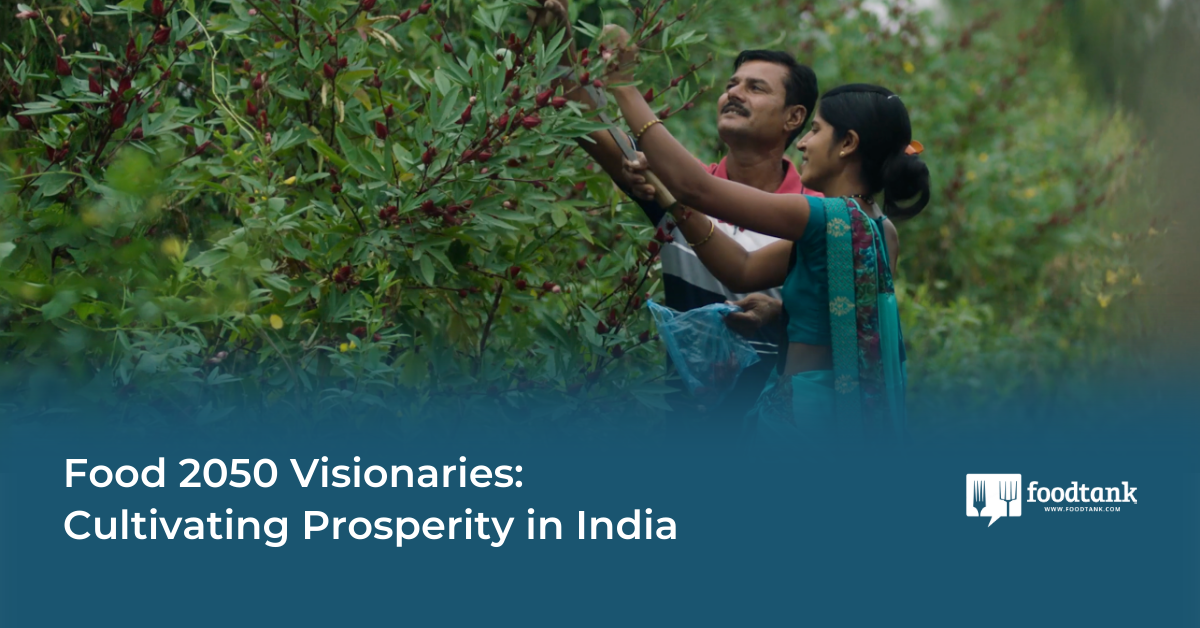
TL;DR: The Araku Valley model shows how regenerative agriculture improves farmer prosperity, soil health, and food quality through farmer-centric practices and direct market access.
- Regenerative farming boosts soil health and biodiversity.
- Sustainable methods lead to higher yields and better quality produce.
- Direct market links increase farmer income significantly.
- Farmer-centric approach ensures local relevance and ownership.
- Resilient ecosystems reduce climate vulnerability.
Why it matters: This model demonstrates a viable path to sustainable agriculture that benefits both the environment and farming communities, offering a blueprint for global food systems facing similar challenges.
Do this next: Research local cooperatives or farmer-led initiatives in your area that prioritize regenerative practices and fair trade.
Recommended for: Farmers, agricultural policymakers, and consumers interested in sustainable and equitable food systems.
The Araku Valley in India is home to an agricultural model that demonstrates how economic prosperity for farmers can be achieved alongside improvements in soil health and the quality of food produced. This approach, which has received recognition for its innovative design, prioritizes the well-being of farmers and the ecological integrity of their land.
At the core of this model is a commitment to regenerative agricultural practices. Farmers in the Araku Valley have adopted methods that focus on enhancing biodiversity, building organic matter in the soil, and minimizing reliance on synthetic inputs. This includes techniques such as intercropping, which involves growing multiple crops in proximity to each other, and the use of cover crops, which are planted primarily to manage soil erosion, improve soil health, and enhance water availability. These practices contribute to a more resilient ecosystem, making farms less susceptible to the impacts of climate variability and pests.
Beyond the environmental benefits, the model emphasizes economic empowerment for the farming community. By improving soil fertility and implementing sustainable farming techniques, farmers are able to achieve higher yields and better quality produce. This, in turn, allows them to command better prices for their crops in the market. The model also often incorporates direct market linkages, reducing the number of intermediaries between producers and consumers. This ensures that a larger share of the final sale price goes directly to the farmers, increasing their income and improving their livelihoods.
A significant aspect of this initiative is its farmer-centric approach. The design and implementation of agricultural strategies are not top-down but rather involve active participation and decision-making from the farmers themselves. This collaborative framework ensures that the solutions are tailored to the specific needs and challenges of the local context, fostering a sense of ownership and commitment among the community. Training and education are also integral components, equipping farmers with the knowledge and skills necessary to adopt and adapt these sustainable practices effectively.
The success of the Araku Valley model extends beyond individual farm prosperity to community-wide development. Increased income for farmers translates into improved living standards, better access to education and healthcare, and overall community resilience. The focus on high-quality, sustainably produced food also creates a positive reputation for the region's agricultural products, potentially opening up new markets and opportunities.
This integrated approach serves as a compelling example of how agriculture can be a driver for both environmental stewardship and economic development. It challenges the traditional view that these two objectives are often in conflict, demonstrating that with careful planning and a commitment to sustainable practices, they can be mutually reinforcing. The recognition received by this model underscores its potential as a blueprint for other regions facing similar challenges in balancing agricultural productivity with ecological health and farmer welfare.