Kids in the Garden: Cultivating Growth & Connection
By Ricardo Orlando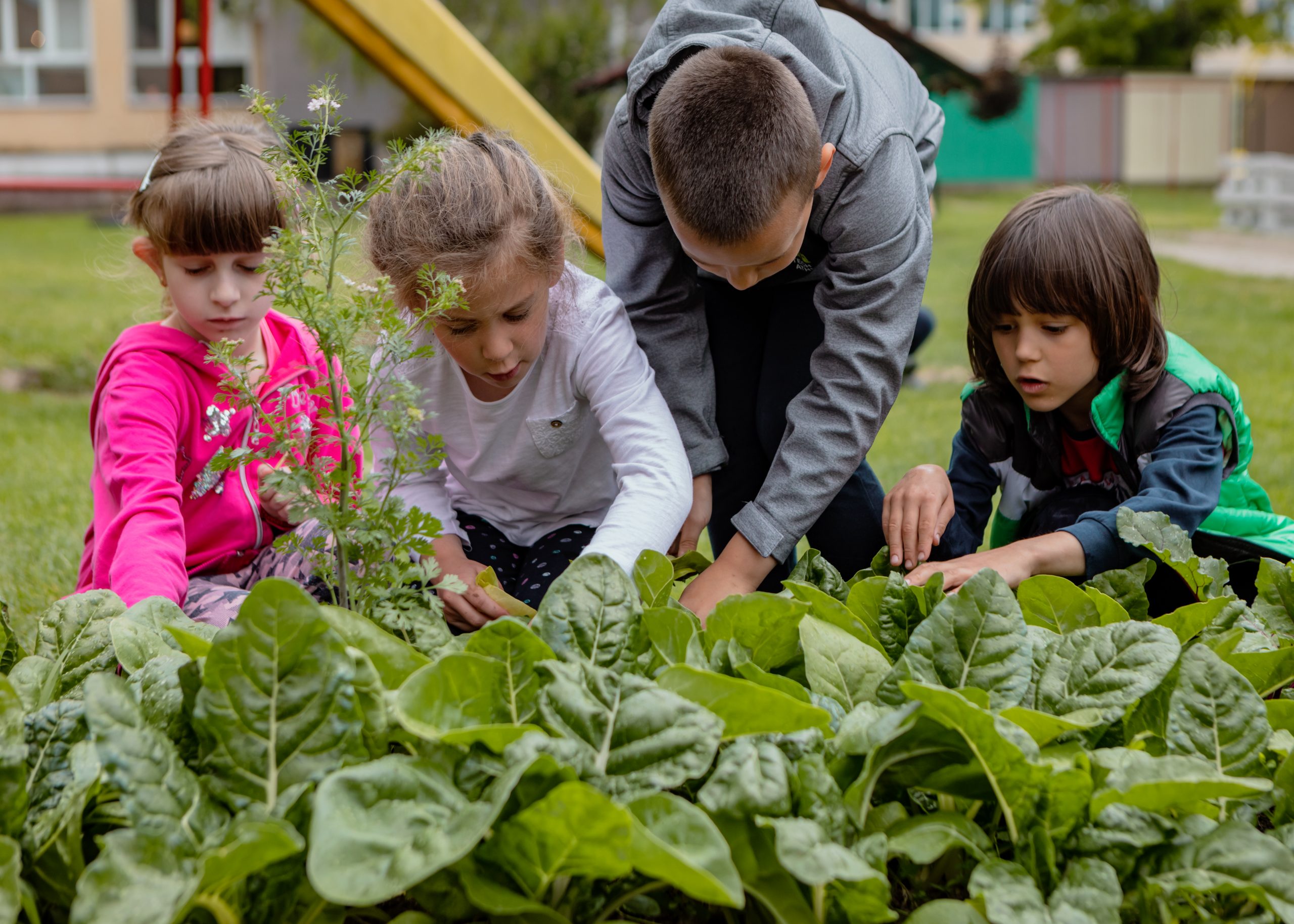
TL;DR: Gardening with children boosts their physical, cognitive, and emotional development while fostering a connection to nature.
- Gardening enhances children
- s sensory and motor skills through hands-on activities.
- It teaches kids about plant life cycles, ecosystems, and food origins.
- Direct involvement in growing food promotes healthier eating habits in children.
- Gardening instills patience, responsibility, and an appreciation for nature.
Why it matters: Engaging children in gardening provides a holistic approach to their development, encouraging healthier lifestyles and environmental stewardship from a young age.
Do this next: Start a small container garden with your child using easy-to-grow herbs or vegetables.
Recommended for: Parents, educators, and community leaders seeking engaging ways to foster child development and environmental awareness.
Engaging children in gardening activities offers a multitude of developmental and educational advantages. This hands-on experience contributes significantly to their physical, cognitive, and emotional growth, fostering a deeper connection with the natural world and promoting healthy lifestyle choices.
One of the primary benefits is the enhancement of sensory and motor skills. As children interact with soil, plants, and gardening tools, they engage their senses of touch, sight, and smell. Digging, planting, watering, and harvesting require fine and gross motor coordination, improving dexterity, strength, and balance. The varied textures of soil, leaves, and fruits, along with the diverse colors and scents of flowers and herbs, provide rich sensory input that stimulates their developing brains.
Beyond physical development, gardening cultivates an appreciation for nature and ecological understanding. Children learn about the life cycle of plants, the importance of sunlight and water, and the role of insects and other organisms in the ecosystem. This direct interaction helps them understand where food comes from, moving beyond the abstract concept of a grocery store. It instills a sense of wonder and respect for the environment, potentially leading to a lifelong commitment to conservation and sustainable practices. Witnessing a seed sprout and grow into a plant that produces food or flowers can be a profoundly impactful experience, demonstrating patience, cause and effect, and the interconnectedness of living things.
Furthermore, gardening plays a crucial role in promoting healthy eating habits. When children are involved in growing their own fruits and vegetables, they are more likely to try and enjoy these foods. The sense of ownership and accomplishment derived from nurturing a plant from seed to harvest can transform their perception of healthy eating. They learn about different types of produce, their nutritional value, and how to prepare them. This direct involvement can counteract picky eating tendencies and encourage a more diverse and balanced diet, laying the foundation for healthier choices in adulthood.
Gardening also offers significant cognitive and academic benefits. It provides practical applications for concepts learned in science, mathematics, and even language arts. Children can measure plant growth, count seeds, identify different plant species, and learn new vocabulary related to botany and agriculture. Problem-solving skills are honed as they encounter challenges like pests or adverse weather conditions and work to find solutions. The process of planning a garden, selecting plants, and maintaining them also develops organizational skills and foresight.
Social and emotional development are also positively impacted. Gardening can be a collaborative activity, fostering teamwork and communication skills when children work together on a shared plot. It teaches patience, responsibility, and perseverance as they wait for plants to grow and care for them consistently. The act of nurturing living things can build empathy and a sense of purpose. Successfully growing a plant or harvesting produce can boost self-esteem and provide a sense of accomplishment. Moreover, spending time outdoors in a natural setting has been shown to reduce stress and anxiety, promoting a sense of calm and well-being.
In summary, integrating gardening into a child's life offers a holistic approach to development. It enhances physical abilities, deepens environmental awareness, encourages healthy eating, stimulates cognitive growth, and supports social-emotional well-being. These benefits extend far beyond the garden plot, contributing to the overall health and happiness of children and fostering a generation that is more connected to nature and mindful of sustainable living.
Source: urbanfarmonline.com
Related Analysis
- Farmers Convert Six Weeks of Rhubarb Into 25-Year Supply — Initial signals suggest a rhubarb preservation technique can extend a brief seasonal harvest into 25 years of storage—a …
- Compost Builds Soil Microbiomes—But Human Waste Divides Practitioners — A small but consistent set of signals indicates composting's soil benefits are well-documented, while human-waste compos…
Related on PermaNews
- Permakultur Lehrenden-Training: Judit Bartel & Robert Strauch (Event)
- PDK: 72h Permakultur Design Ausbildung – Dein Weg zur Resilienz (How-To Guide)
- Reconnecting to Nature: Why Our Bodies Crave Harvesting (Video)
- PINA's Online Teaching Guide: Mastering Permaculture Webinars (Video)
- Unlock Permaculture: 5 Free Learning Pathways (How-To Guide)
- PINA's Regenerative Education: A New Learning Paradigm (Video)
Explore more in Food Systems & Growing — the full hub for this knowledge area.