Permaculture Profit: Ethical Niche Finding Guide
By Permaculture Institute of North America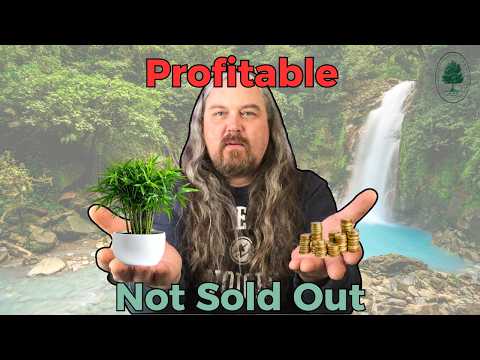
TL;DR: Aligning permaculture principles with profitable ventures requires strategic niche identification and ethical market engagement.
- Identify unmet needs in the permaculture community or sustainable solutions.
- Diverse permaculture applications offer many specialized service opportunities.
- Conduct market research to find gaps and assess demand.
- Develop a unique selling proposition for your target audience.
- Balance ethical considerations with economic viability.
Why it matters: Creating a livelihood within permaculture supports both personal values and the broader movement towards sustainable living.
Do this next: Watch the full video to explore specific niche examples in detail.
Recommended for: Permaculture practitioners and enthusiasts looking to establish a financially viable and ethically sound business.
Finding a profitable niche within permaculture, without compromising its core principles, involves a strategic approach that balances ethical considerations with economic viability. The permaculture movement, while rooted in ecological design and sustainable living, also presents opportunities for individuals to create livelihoods that align with their values. The key lies in identifying specific needs within the broader permaculture community or among those seeking more sustainable solutions, and then developing offerings that meet those needs effectively and ethically.
One fundamental aspect of identifying a profitable niche is understanding the diverse applications of permaculture. It extends beyond just food production to encompass areas like water management, natural building, waste reduction, energy systems, community development, and education. Each of these areas can be broken down further into specialized services or products. For instance, within food production, one might specialize in urban edible landscaping, mushroom cultivation, seed saving, or designing food forests for specific climates. In natural building, niches could include cob construction, straw bale building, or designing passive solar homes. The breadth of permaculture allows for a wide array of potential specializations.
Market research is crucial in this process. This involves understanding what services or products are already available, identifying gaps in the market, and assessing the demand for particular permaculture-related solutions. Engaging with existing permaculture practitioners, attending workshops, and participating in online forums can provide valuable insights into current trends and unmet needs. It's also important to consider the target audience – are they homeowners, farmers, businesses, non-profits, or educational institutions? Tailoring offerings to a specific demographic can enhance profitability and impact.
Developing a unique selling proposition (USP) is another vital step. This means articulating what makes a particular permaculture offering distinct and valuable. It could be a specialized skill set, a unique approach to design, a particular focus on a challenging climate, or a commitment to using only locally sourced materials. The USP helps differentiate a business in a potentially crowded market and attracts clients who resonate with its specific values and expertise.
Profitability in permaculture doesn't necessarily mean maximizing financial gain at all costs. Instead, it often involves creating a "right livelihood" – an occupation that provides sufficient income while contributing positively to the world. This often translates to a focus on regenerative practices, fair pricing, and building strong community relationships. For example, a permaculture designer might charge a fair rate for their services, ensuring they can sustain their business while also making their expertise accessible to a wider range of clients.
Education and skill development are ongoing requirements. As permaculture is a constantly evolving field, staying updated on new techniques, research, and best practices is essential. This could involve pursuing advanced certifications, attending specialized workshops, or engaging in continuous self-study. The more expertise one develops in a particular area, the more valuable their services become.
Finally, effective communication and marketing are necessary to reach the target audience. This doesn't have to involve aggressive sales tactics; rather, it can focus on educating potential clients about the benefits of permaculture and showcasing successful projects. Building a portfolio, creating an informative website, and participating in local community events can all contribute to raising awareness and attracting clients who are genuinely interested in sustainable solutions. By carefully considering these elements, individuals can carve out profitable and fulfilling niches within the permaculture movement without compromising its ethical and ecological foundations.