Syngenta Halts Gramoxone Output, Paraquat Still Legal
By OCA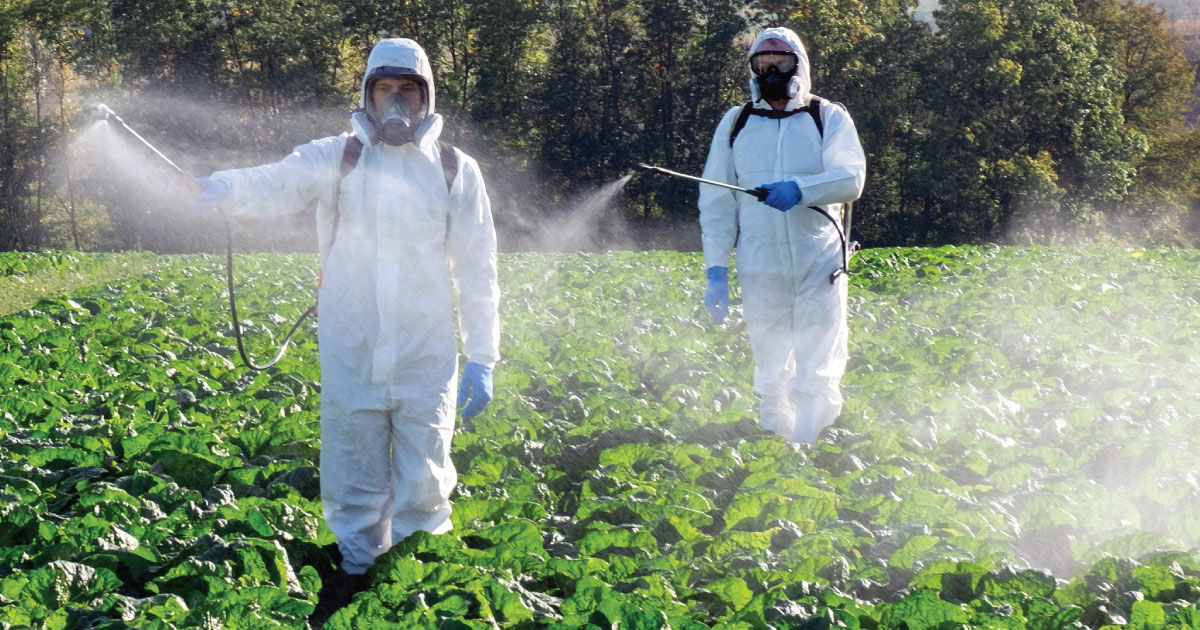
PermaNews Brief
Key Takeaways
Syngenta will stop producing Gramoxone, a paraquat-based herbicide, at its UK facility, but paraquat remains legal and available globally from other manufacturers.
- Paraquat herbicide Gramoxone production ending at one Syngenta facility.
- Paraquat remains legal and available worldwide from other companies.
- Environmental and health concerns persist regarding paraquat use.
- Paraquat is highly toxic, posing risks to humans and the environment.
- This development is not a global ban on paraquat-based products.
Why It Matters
This decision affects the availability of a specific product, Gramoxone, but the broader issue of paraquat use and its associated risks for human and environmental health continues.
What to Do Next
Research alternative, less toxic weed control methods for your garden or farm.
Recommended for: Anyone interested in agricultural chemicals, environmental health, or sustainable farming practices.
Syngenta, a prominent agrichemical company based in Switzerland, has announced its decision to discontinue the production of Gramoxone, a herbicide that utilizes paraquat as its active ingredient. This cessation of manufacturing will occur at their Huddersfield, United Kingdom facility and is slated to be completed by the end of June.
Gramoxone has been a widely used herbicide, particularly in agricultural settings, for its effectiveness in controlling a broad spectrum of weeds. Its primary active component, paraquat, is known for its rapid action and non-selective nature, meaning it kills most green plant tissue it comes into contact with. This characteristic has made it a valuable tool for farmers seeking efficient weed management.
The decision by Syngenta to stop producing Gramoxone at this specific facility marks a significant development in the landscape of agricultural chemicals. While the article highlights this as a positive step, it's crucial to understand the nuances of this announcement. The discontinuation of Gramoxone production at one facility does not equate to a complete global ban or cessation of paraquat-based products. Paraquat itself remains a legally available herbicide in many parts of the world, and other companies may continue to produce paraquat-based formulations under different brand names.
The use of paraquat has been a subject of considerable debate and concern for many years. Environmental and health advocacy groups have consistently raised alarms about its potential risks. From an environmental perspective, concerns often revolve around its persistence in the soil, potential for runoff into water sources, and its impact on biodiversity, particularly non-target plants and organisms.
From a human health standpoint, paraquat is recognized as a highly toxic substance. Exposure, particularly through ingestion or skin contact, can lead to severe health complications, including lung damage, kidney failure, and neurological issues. Ingestion of even small amounts can be fatal, and there have been numerous documented cases of accidental poisonings and suicides involving the herbicide. These health risks have led to its ban or severe restrictions in many countries, including all member states of the European Union.
Despite these concerns and restrictions in some regions, paraquat continues to be used extensively in others, particularly in developing countries where it is often a more affordable and accessible option for weed control compared to alternatives. Proponents of paraquat often emphasize its efficacy, cost-effectiveness, and its role in no-till farming practices, which can help reduce soil erosion and conserve moisture.
Syngenta's move to cease Gramoxone production at its Huddersfield plant could be influenced by a variety of factors. These might include evolving regulatory landscapes in certain regions, shifting market demands, corporate responsibility initiatives, or strategic business decisions related to their product portfolio and manufacturing operations. It's also possible that the company is responding to increasing public pressure and scientific scrutiny regarding the use of paraquat.
However, the article explicitly states that "paraquat remains legal," underscoring that this action by Syngenta is not a universal prohibition of the chemical. This distinction is vital for understanding the broader implications. While one specific product formulation from one manufacturer is being phased out at a particular location, the underlying chemical and its use in other products or by other manufacturers are not necessarily affected.
Therefore, while the discontinuation of Gramoxone by Syngenta at its UK facility represents a notable change in the production of a specific paraquat-based herbicide, it does not signify the end of paraquat's availability or use globally. The ongoing debate surrounding paraquat's risks and benefits, and its legal status in various countries, will likely continue to be a significant topic in agricultural and environmental discussions.
Source: organicconsumers.org
Related Analysis
- Regenerative Farmers Flip Cover Crop Logic From Compliance to Profit — Practitioner accounts and a new meta-analysis suggest cover cropping is being reframed from conservation practice to pro…
- Farmers Convert Six Weeks of Rhubarb Into 25-Year Supply — Initial signals suggest a rhubarb preservation technique can extend a brief seasonal harvest into 25 years of storage—a …
Related on PermaNews
- Ban the Pesticides Behind America’s Cancer Crisis (Article)
- The Old-Fashioned Fertilizer That Still Beats Store-Bought (Video)
- Organic Bytes Newsletter #939: Did Your Rep Stand With Victims or Bayer? Find Out Now. (Article)
- Brazil's REVERTE: Syngenta Restores 277,700 Hectares (Case Study)
- This Gout Flare Up Changed How I Look At My Garden (Video)
- Why I’m Rethinking Gardening After 40 Years (Video)
Explore more in Food Systems & Growing — the full hub for this knowledge area.