3 Probiotic-Packed Recipes to Ferment Kohlrabi for Preservation
PermaNews Brief
Key Takeaways
Transform kohlrabi into a tangy, probiotic-rich preserve through fermentation.
- Lacto-fermentation preserves kohlrabi's texture and flavor.
- Probiotic benefits enhance nutritional value.
- Versatile use in multiple dishes.
- Grated kohlrabi mimics sauerkraut texture.
- Long-lasting preservation solution for seasonal surplus.
Why It Matters
This method not only extends the shelf life of kohlrabi but also enriches it with beneficial bacteria, making it a flavorful addition to various meals and a sustainable practice for food storage.
What to Do Next
Try fermenting kohlrabi to enhance your meals with probiotics.
Permaculture Context
Kohlrabi is one of those underappreciated workhorses of the kitchen garden — fast-growing, cold-tolerant, and often producing more than any household knows what to do with before it turns woody. What lacto-fermentation offers here is not just a recipe, but a genuine preservation logic that fits the rhythms of a productive homestead: process the surplus at peak quality, and let time and beneficial bacteria do the rest. For practitioners designing food systems around seasonal abundance rather than constant purchasing, this matters because it closes a gap between harvest and consumption without relying on refrigeration, canning infrastructure, or vinegar-based shortcuts that kill the living culture. A jar of fermented kohlrabi sitting on a cool pantry shelf represents stored nutrition, gut-supporting microbiota, and flexible meal integration — three things that compound quietly over a season. It also reinforces a broader principle worth internalizing: the most resilient preservation methods are biological, not industrial. Building fluency with lacto-fermentation across multiple vegetables, starting with something as forgiving as kohlrabi, is one of the most practical skills a regenerative household can develop.
Recommended for: Home cooks interested in fermentation and food preservation.
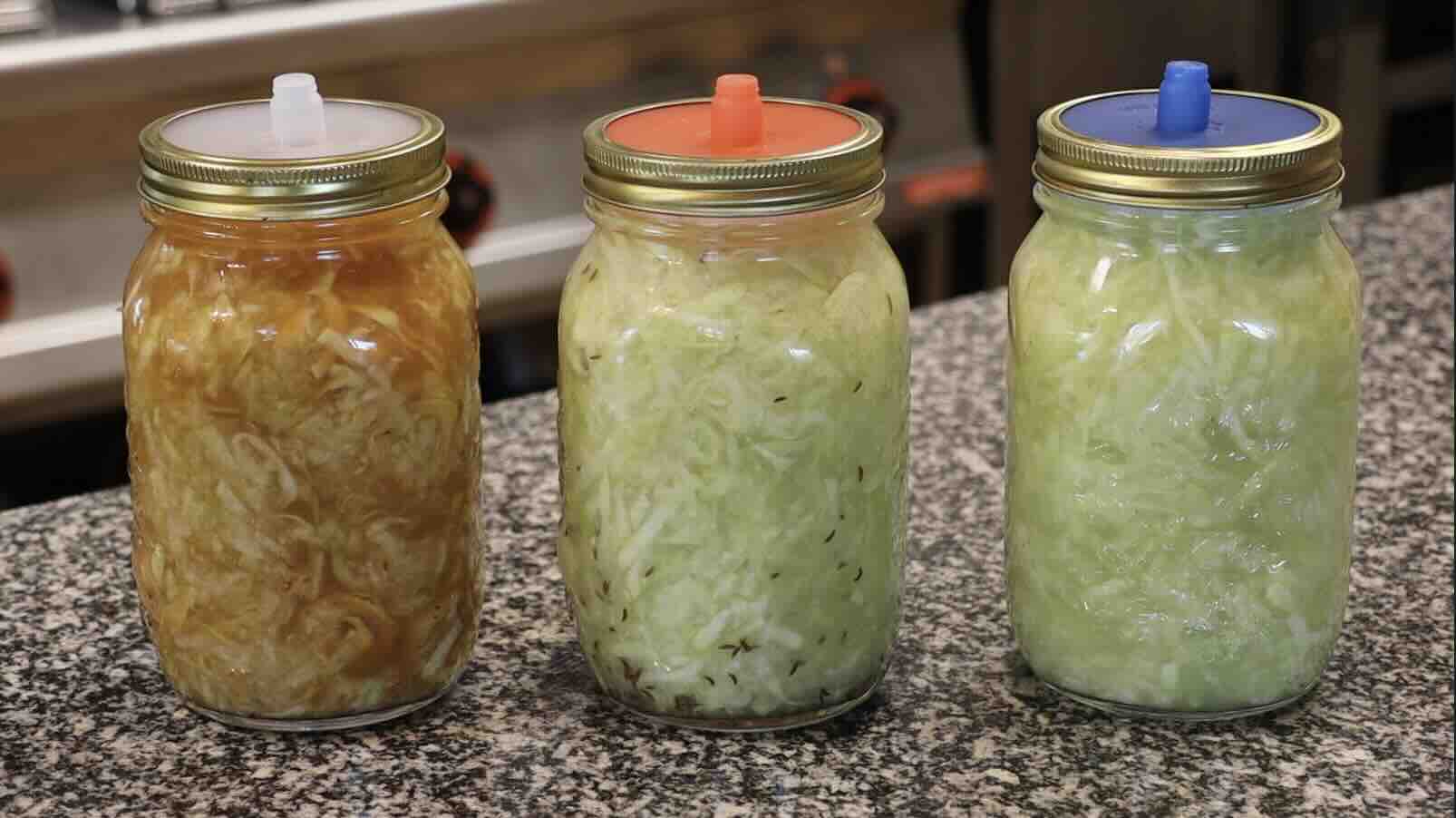
This article is a practical, hands-on guide to preserving kohlrabi through lacto-fermentation, with three recipe applications that turn an abundant garden crop into a long-lasting, crunchy preserve. It focuses on a specific preservation problem: kohlrabi stores reasonably well, but fermentation is presented as one of the best ways to retain its crisp texture and mild sweetness while adding tang and complexity. The article frames the result as a kraut-like, probiotic-rich food that can be used across everyday meals, including roasted meats, grain bowls, salads, sandwiches, cheeses, and eggs. It emphasizes that the method relies on naturally occurring beneficial bacteria rather than vinegar, making it a traditional living-food preservation technique rather than a quick pickle.
The value of the piece is in its concrete preservation orientation. Rather than offering generic food advice, it centers on a specific vegetable and a specific technique, with the implied goal of extending shelf life while improving flavor and versatility. The summary suggests that the ferment develops over time and can be enjoyed for months, which makes it relevant to home food storage, seasonal surplus management, and self-sufficiency contexts. The use of grated kohlrabi is especially practical because it creates a texture that behaves more like sauerkraut, allowing the vegetable to be incorporated easily into meals.
From a practitioner’s perspective, the article appears useful because it links process, storage, and culinary application. The fermentation process is described as deepening the flavor and keeping much of the vegetable’s fresh character, which matters for anyone trying to preserve a crop without losing its appeal. The emphasis on probiotic richness also positions the preserve as both a storage solution and a functional food. Although the available source excerpt does not provide a full ingredient list or step-by-step method, it clearly signals that the article is a recipe-driven preservation guide with direct, usable applications for gardeners, homesteaders, and anyone dealing with surplus kohlrabi. It fits especially well within fermentation and long-term food preservation workflows because it treats kohlrabi not as a novelty ingredient, but as a crop worth storing in a stable, flavorful, and versatile form.
Source: thefarmingchefs.com
Related Analysis
- Practitioners Build Silvopasture Playbook Before Researchers Catch Up — A small but consistent set of signals from the Northeast U.S. shows farmers actively piloting silvopasture while formal …
- New Research Splits Silvopasture's Profit Case From Its Ecology — A small but consistent set of signals indicates silvopasture is shifting from ecological ideal to quantified economic ca…
Explore more in Food Systems & Growing — the full hub for this knowledge area.