Boost New Gardens: Soil Blob from Thriving Sites
By paul wheaton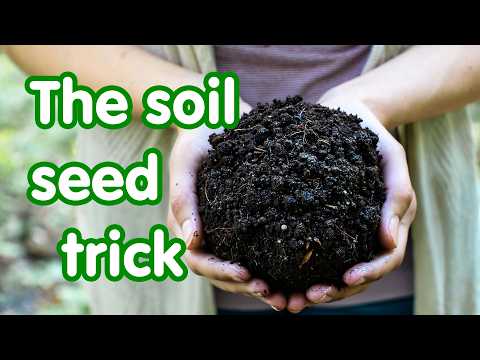
PermaNews Brief
Key Takeaways
Boost new garden soil health by introducing a small amount of microbe-rich soil from an established, thriving garden.
- Transfer beneficial microbes to new garden beds.
- Use soil from healthy, disease-free gardens.
- A small amount of soil is highly effective.
- Gently incorporate into new soil.
- Enhances nutrient cycling and plant health.
Why It Matters
This technique rapidly populates new or poor soils with essential microorganisms, accelerating the establishment of a healthy garden ecosystem crucial for robust plant growth and resilience.
What to Do Next
Find a healthy, established garden and collect a small handful of its soil to introduce to your new garden bed.
Recommended for: Anyone looking to quickly and naturally improve the biological activity and health of new or struggling garden soils.
When establishing a new garden, particularly one in an area where the soil has been disturbed or is of poor quality, a simple yet effective technique involves introducing a small amount of soil from an existing, thriving garden. This method, often referred to as "soil inoculation" or "microbial transfer," aims to jumpstart the biological activity in the new garden bed. The underlying principle is that healthy, established gardens possess a rich and diverse community of microorganisms, including bacteria, fungi, protozoa, and nematodes, which are crucial for nutrient cycling, soil structure, and plant health.
The process is straightforward. First, identify a source garden that exhibits robust plant growth, good soil structure, and a general appearance of vitality. This could be a friend's garden, a community garden, or even a well-maintained section of your own property. The key is to select a garden that is free from known diseases or pests, as these could inadvertently be transferred to the new bed. Once a suitable source is identified, carefully extract a small quantity of soil. The amount needed is surprisingly small; a handful or two, roughly the size of a golf ball or a tennis ball, is often sufficient. The focus is not on the volume of soil, but rather on the concentrated microbial life it contains.
This "blob" of soil should then be gently incorporated into the new garden bed. There are several ways to do this. One common approach is to dig a small hole in the new bed, place the source soil at the bottom, and then cover it with the new garden's soil. Alternatively, the source soil can be crumbled and mixed into the top few inches of the new bed, particularly in the areas where plants will be established. The goal is to distribute the beneficial microorganisms so they can begin to colonize the new environment.
The benefits of this practice are multifaceted. Firstly, it introduces a diverse array of beneficial microbes that may be absent or in low numbers in the new soil. These microorganisms play vital roles in breaking down organic matter, making nutrients available to plants, and suppressing plant pathogens. For instance, certain fungi form symbiotic relationships with plant roots, extending the plant's reach for water and nutrients. Bacteria can fix atmospheric nitrogen, converting it into a form plants can utilize.
Secondly, this inoculation can accelerate the development of a healthy soil food web. A complex and balanced soil food web is essential for long-term garden productivity and resilience. By introducing a starter culture of these organisms, the new garden can more quickly establish the intricate ecological relationships that characterize fertile soil. This can lead to faster plant establishment, improved growth rates, and increased resistance to environmental stresses.
Thirdly, it can help to improve soil structure. Many beneficial microorganisms produce sticky substances that bind soil particles together, forming aggregates. These aggregates create pore spaces in the soil, which are crucial for aeration, water infiltration, and root penetration. Over time, this can transform compacted or lifeless soil into a more friable and productive medium.
Finally, this technique aligns with permaculture principles of working with nature and utilizing existing resources. Instead of relying solely on synthetic fertilizers or amendments, it leverages the power of biological processes to enhance soil fertility and plant health. It's a low-cost, low-effort approach that can yield significant long-term benefits for a new garden, helping it to thrive from the outset. While not a substitute for good soil preparation and ongoing organic matter additions, it provides a valuable biological boost that can set a new garden on a path to success.
Source: youtube.com
Related Analysis
- Composting Advice Shifts From Chemistry to Microbial Biology — Several sources suggest composting guidance is pivoting from nutrient ratios toward microbial ecology—reframing what "go…
- Does Growing Your Own Food Actually Save Money? The Real Numbers — Most home gardens save money by year two — but only if the right crops are planted. Herbs and salad greens deliver 5–10x…
Related on PermaNews
- Federal Policy Shift: Native Regenerative Ag for Soil & Carbon (Article)
- Nagaland's Jhum-Alder Agroforestry: Climate-Smart Farming (Article)
- Aboriginal Cool Burns: Permaculture's Ancient Fire Wisdom (Case Study)
- Crop Rotation Boosts Soil Biodiversity: Global Meta-analysis (Article)
- Revolutionizing Agriculture: People, Nature, & a Fertile Earth (Article)
- The Rewilders: Restoring the Ancient Pulse of the Aravallis (Video)
Explore more in Food Systems & Growing — the full hub for this knowledge area.