Small Compost, Big Garden: Permaculture Tips
By The Permaculture Consultant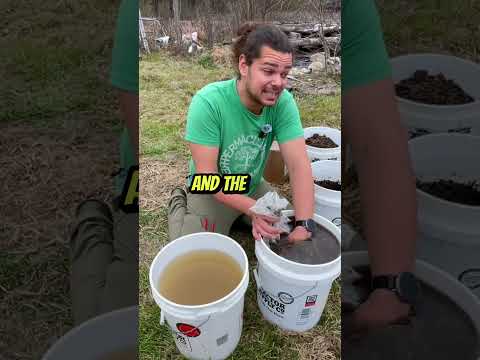
TL;DR: Even small quantities of compost can significantly enhance garden health, challenging the notion that large volumes are always necessary for effective soil improvement.
- Compost offers concentrated nutrients, benefiting soil with minimal application.
- Small compost additions improve soil health, structure, and fertility.
- Targeted compost use makes gardening more accessible and less daunting.
- Applying compost efficiently maximizes benefits from limited resources.
Why it matters: Understanding the potent impact of small compost applications can revolutionize gardening practices, making soil enrichment more attainable for everyone and promoting resource efficiency.
Do this next: Explore different compost application techniques to maximize benefits in your garden.
Recommended for: Gardeners of all levels looking to optimize soil health with efficient compost use and permaculture-aligned practices.
The provided content, consisting solely of a title and a description, offers minimal information for a comprehensive summary. The title, "Only Need a Little compost garden shorts," and the description, "Source: The Permaculture Consultant," suggest a short-form video or article from a permaculture-focused source.
Based on these limited details, the core message appears to be an emphasis on the efficacy and importance of compost, even in small quantities, within a gardening context. The use of hashtags like "compost" and "garden" reinforces the subject matter, while "shorts" indicates a brief, digestible format, likely a video.
The phrase "Only Need a Little" implies that significant benefits can be achieved without requiring large volumes of compost. This could be interpreted in several ways within a permaculture framework. Firstly, it might highlight the concentrated nutrient value of well-made compost, suggesting that even a thin layer or small addition can significantly improve soil health, structure, and fertility. This aligns with permaculture principles of efficiency and maximizing output with minimal input.
Secondly, it could be addressing a common misconception among new gardeners that vast amounts of compost are necessary for success. By stating "Only Need a Little," the content might be aiming to demystify composting and make it seem more accessible and less daunting, encouraging more people to adopt this sustainable practice. This aligns with permaculture's goal of empowering individuals to create productive systems.
Thirdly, the message could be related to specific application techniques where small, targeted amounts of compost are most effective. For instance, in no-dig gardening, a thin layer of compost is often sufficient to kickstart soil life and provide nutrients for plants. Similarly, when establishing new plantings or amending existing ones, a small amount of compost incorporated directly into the planting hole or as a top dressing can provide a significant boost.
The source, "The Permaculture Consultant," further contextualizes this message. Permaculture emphasizes working with natural systems, building soil health, and creating regenerative landscapes. Compost is a cornerstone of these practices, as it recycles organic matter, improves water retention, enhances microbial activity, and provides essential plant nutrients. A permaculture consultant would likely advocate for efficient and effective use of resources, and promoting the idea that "a little compost goes a long way" fits perfectly within this philosophy. It encourages resourcefulness and highlights the powerful impact of natural processes.
In essence, the brief content suggests an educational piece, likely a short video, from a permaculture expert, aiming to convey that even small applications of compost can yield substantial positive results in a garden. This message likely serves to simplify composting, encourage its adoption, and demonstrate its potent benefits within a sustainable gardening approach. It underscores the permaculture principle of achieving significant outcomes through intelligent, often small-scale, interventions.