Wild East Farm: Profitable Small Farm in 3 Years
By No-Till Growers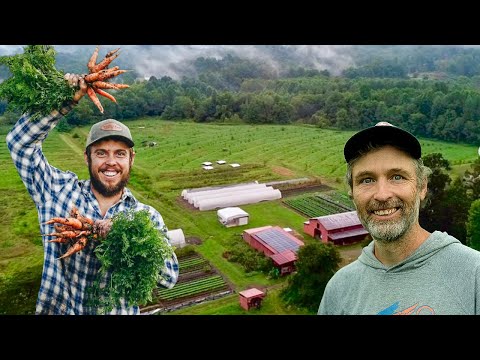
PermaNews Brief
Key Takeaways
Wild East Farm achieved profitability in three years by integrating no-till practices, diversifying crops, and optimizing land use on their small farm.
- No-till farming improves soil health and reduces costs.
- Crop diversification creates consistent income streams.
- Intensive planting maximizes output from small areas.
- Careful financial planning is crucial for farm viability.
Why It Matters
This case study demonstrates a viable pathway for small-scale sustainable farms to achieve financial success and ecological health, offering a practical model for others.
What to Do Next
Explore how no-till methods could be integrated into your gardening or farming practices.
Recommended for: Aspiring and current small-scale farmers, permaculture enthusiasts, and anyone interested in sustainable agricultural business models.
Wild East Farm, a small-scale agricultural operation, has achieved profitability within three years of its establishment, demonstrating a successful model for sustainable farming. The farm's journey highlights key strategies and decisions that contributed to its financial viability and ecological health.
From its inception, Wild East Farm prioritized a no-till approach, a method that minimizes soil disturbance. This practice is central to permaculture principles, fostering healthy soil structure, increasing organic matter, and enhancing biodiversity. The farm's commitment to no-till not only reduces labor and machinery costs associated with conventional tillage but also improves water retention and nutrient cycling, leading to more resilient crops and reduced reliance on external inputs.
The farm's product diversification has been a significant factor in its profitability. Wild East Farm cultivates a variety of vegetables, herbs, and flowers, catering to a diverse customer base. This strategy mitigates risks associated with single-crop failures and allows for a more consistent income stream throughout the growing season. By offering a wide range of produce, the farm can also attract different market segments, including direct-to-consumer sales through farmers' markets and community-supported agriculture (CSA) programs, as well as wholesale accounts with local restaurants and grocers.
Efficient land use and intensive planting techniques are also integral to Wild East Farm's success. Operating on a relatively small acreage, the farm maximizes its output per square foot through careful crop planning, succession planting, and intercropping. These methods ensure that beds are continuously productive, yielding multiple harvests from the same space throughout the year. This intensive approach is crucial for small farms aiming to generate substantial income from limited land resources.
Financial planning and careful management of expenses have been paramount. The farm has focused on minimizing overhead costs by utilizing appropriate-scale equipment, often second-hand or repurposed, and by investing in infrastructure that provides long-term benefits, such as high tunnels for season extension. Strategic pricing of their produce, reflecting the quality and sustainable practices employed, has also contributed to healthy profit margins. The farm's ability to track income and expenses meticulously has allowed for informed decision-making and adjustments to their business model as needed.
Marketing and community engagement have played a vital role in building a strong customer base. Wild East Farm actively participates in local farmers' markets, which serve as direct sales channels and opportunities for customer interaction. Their CSA program fosters a direct relationship with consumers, providing a reliable source of income and building community loyalty. The farm's commitment to sustainable practices and high-quality produce is communicated effectively to customers, enhancing their brand reputation and attracting environmentally conscious buyers.
The farm's success also underscores the importance of continuous learning and adaptation. As a relatively new operation, Wild East Farm has likely encountered various challenges, from pest and disease management to market fluctuations. Their ability to learn from these experiences, adapt their strategies, and innovate in their farming practices has been key to their sustained growth and profitability. This iterative process of observation, reflection, and adjustment is a core tenet of permaculture design.
In summary, Wild East Farm's achievement of profitability within three years is a testament to a holistic approach that integrates sustainable farming practices, strategic business planning, and effective market engagement. Their commitment to no-till farming, product diversification, efficient land use, sound financial management, and community building provides a compelling model for other small-scale agricultural enterprises seeking both ecological integrity and financial viability.
Source: youtube.com
Related Analysis
- Worm Castings Rebuild Soil Structure While Cutting Water Use — Vermicompost improves soil structure, moisture retention, and microbial life while converting food waste into usable fer…
Related on PermaNews
- HyCare Digital: Biozidfreie Schädlingskontrolle & Hygiene-Revolution (Article)
- Vermiculture: Transforming Waste into Sustainable Farming Solutions (Article)
- Maximizing Yields: Planting Less for Greater Harvests (Video)
- Transforming Our High Tunnel for Thousands of Pounds of Food (Video)
- Valuable Harvest: Year-Round Container Gardening on Rocks (Video)
- 20-Year Nitrogen Fixer: Superior Protein Crop to Beans (Video)
Explore more in Food Systems & Growing — the full hub for this knowledge area.