Agroforestry Workshop: Soil & Biodiversity Report
PermaNews Brief
Key Takeaways
A workshop demonstrated practical agroforestry techniques for soil and biodiversity, with measurable results.
- Agroforestry blends trees and crops for ecological benefits.
- Techniques include alley cropping and nitrogen-fixing plants.
- Soil restoration uses fungi and contour planting.
- Habitat corridors boost biodiversity with native plants.
- Farmers reported reduced irrigation and increased yields.
Why It Matters
Implementing agroforestry can significantly improve soil health, enhance biodiversity, and increase agricultural resilience, offering practical solutions for sustainable food production.
What to Do Next
Research local nitrogen-fixing plant species suitable for your garden or farm.
Recommended for: Farmers, gardeners, and community organizers interested in implementing regenerative agroforestry practices.
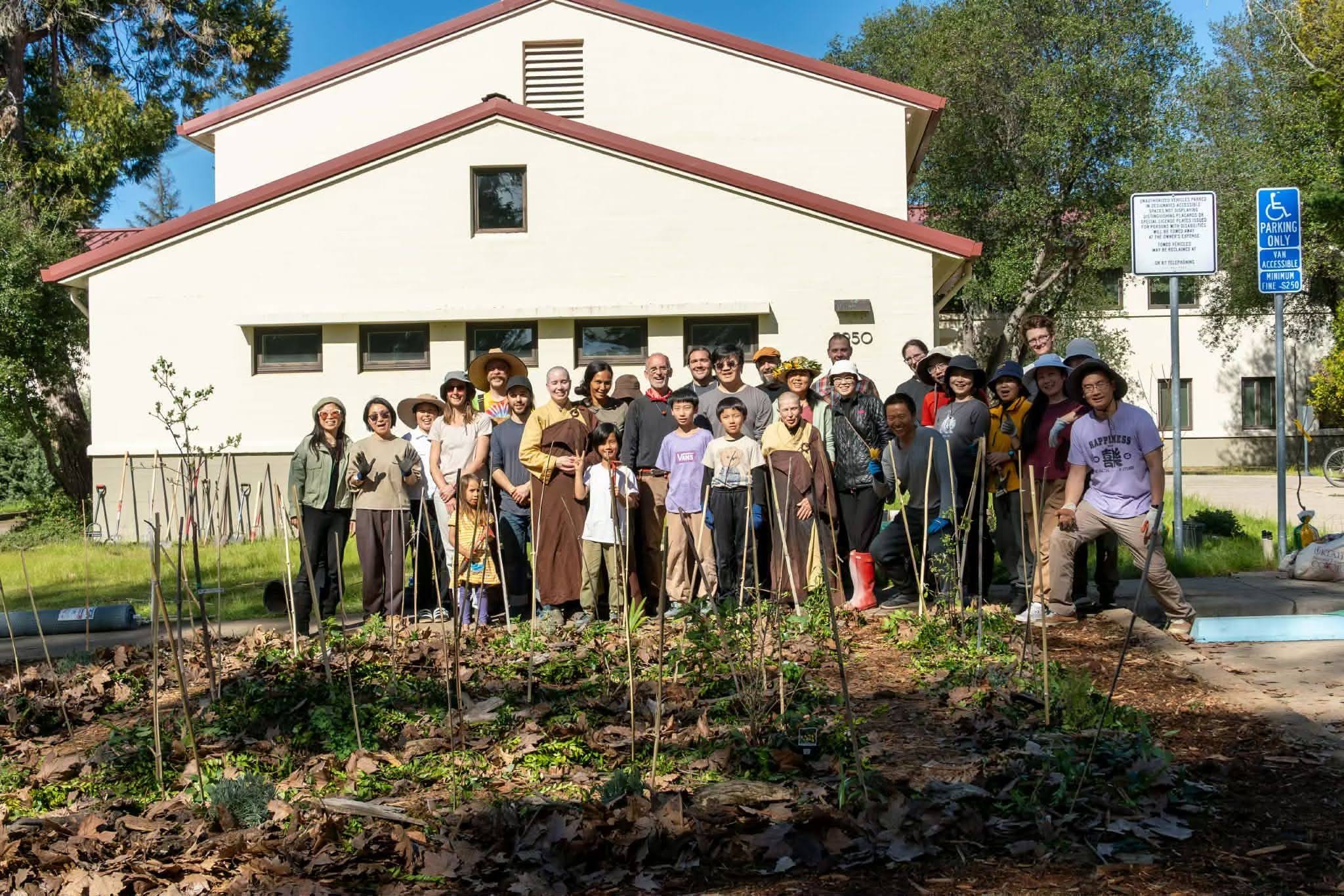
This report chronicles a hands-on regenerative agroforestry workshop that blended classroom instruction with intensive field work, focusing on soil restoration and biodiversity enhancement through practical implementations. Participants engaged in designing and planting agroforestry systems, including alley cropping where rows of trees are interspersed with annual crops to optimize light, water, and nutrient use while creating multi-layered canopies that support diverse wildlife. Techniques covered tree-crop integration, such as grafting fruit trees onto resilient rootstocks and selecting nitrogen-fixing species like legumes and acacias to naturally enrich soils depleted by conventional farming. Soil restoration methods included inoculating planting holes with mycorrhizal fungi to accelerate root establishment and improve phosphorus uptake, alongside contour planting on slopes to reduce runoff and build terraced micro-ecosystems. Biodiversity enhancement strategies featured creating habitat corridors with native shrubs and understory plants to attract pollinators, birds, and beneficial insects, with specific plant lists tailored to regional climates for maximum ecological fit. Field exercises involved measuring baseline soil metrics like organic matter content and microbial diversity using simple on-site kits, then simulating post-implementation improvements through model calculations showing 20-40% increases in soil water-holding capacity after two years. Participant reflections highlight real-world applications, such as one farmer noting a 25% reduction in irrigation needs after implementing windbreak hedgerows, another reporting doubled yields from shade-tolerant intercrops under walnuts, and community groups planning scalable models for urban edges. The workshop emphasized monitoring protocols, including biodiversity inventories via transect walks and pitfall traps for invertebrates, and long-term tracking with photo points and soil cores. Practical details include tool lists (e.g., augers, pruning saws), safety protocols for tree work, cost breakdowns showing ROI within 3-5 years via diversified income from nuts, fruits, and carbon credits, and templates for grant applications to fund expansions. Outcomes underscore agroforestry's role in regenerative contexts by fostering resilient ecosystems that sequester carbon at rates of 5-10 tons per hectare yearly while supporting food security and species diversity.
Source: drbu.edu
Related Analysis
- Composting Advice Shifts From Chemistry to Microbial Biology — Several sources suggest composting guidance is pivoting from nutrient ratios toward microbial ecology—reframing what "go…
- Does Growing Your Own Food Actually Save Money? The Real Numbers — Most home gardens save money by year two — but only if the right crops are planted. Herbs and salad greens deliver 5–10x…
Related on PermaNews
- Ernst Götsch's Cacao Syntropy: Master Agroforestry Now (How-To Guide)
- Borneo's Rainforest Revival: Dr. Smits' Sugar Palm Village Hub (Case Study)
- PRI Jordan: Arid Zone Permaculture Yields 5 Tons/Hectare (Case Study)
- Nagaland's Jhum-Alder Agroforestry: Climate-Smart Farming (Article)
- Aboriginal Cool Burns: Permaculture's Ancient Fire Wisdom (Case Study)
- Crop Rotation Boosts Soil Biodiversity: Global Meta-analysis (Article)
Explore more in Food Systems & Growing — the full hub for this knowledge area.