DIY Clay Pot Heater: Homestead Greenhouse Solution
By Savvy Organics Farm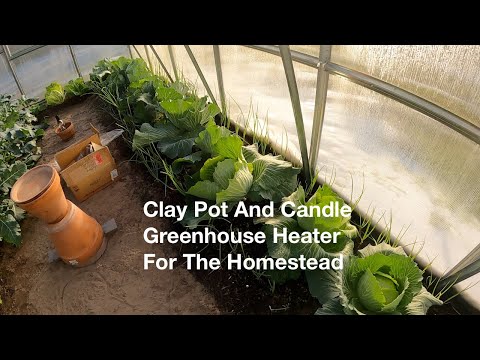
TL;DR: Extend your growing season and protect plants from frost with a simple, low-cost terracotta pot and candle heater.
- Terracotta pots and candles create a simple, low-cost plant heater.
- Heater uses thermal mass to slowly release warmth.
- Two inverted pots create an air gap for heat accumulation.
- Requires a fire-safe base and proper ventilation.
- Best for small, enclosed spaces like cold frames.
Why it matters: Maintaining slightly elevated temperatures in small growing spaces can significantly extend your harvest and plant viability, especially in marginal climates.
Do this next: Assemble a terracotta pot heater for your cold frame or mini-greenhouse using readily available materials.
Recommended for: Homesteaders, urban gardeners, and anyone looking to extend their plant growing season in cooler temperatures.
This article describes a simple, low-cost heating method for small, enclosed spaces, particularly relevant for homesteaders or those seeking to extend their growing season in colder climates. The core concept involves utilizing the thermal mass and radiant heat properties of terracotta pots, combined with the consistent, low-level heat generated by candles. This system is presented as an accessible and practical solution for maintaining slightly elevated temperatures within structures like small greenhouses, cold frames, or even miniature indoor growing setups.
The fundamental components of this DIY heater are readily available: terracotta pots of varying sizes, candles (typically tea lights or votives), and a sturdy, non-combustible surface to place them on. The design typically involves an inverted smaller pot placed over one or more lit candles, which is then covered by a larger, inverted pot. This arrangement creates an air gap between the pots, allowing heat to accumulate and radiate outwards. The terracotta material, being porous and having good thermal mass, absorbs the heat from the candles and then slowly releases it, providing a more sustained warming effect than the direct flame alone.
The process of setting up this heater is straightforward. First, a safe, heat-resistant base is essential to prevent fire hazards. This could be a ceramic tile, a metal tray, or a brick. The candles are then placed on this base and lit. A smaller terracotta pot, often with its drainage hole covered or partially covered to retain heat, is inverted over the burning candles. This inner pot begins to absorb the direct heat. Subsequently, a larger terracotta pot is inverted over the smaller pot, creating the crucial air pocket. The drainage hole of the outer pot is often left open to allow for some airflow and to prevent excessive heat buildup directly under the pot, while still trapping a significant amount of warmth.
The effectiveness of this heating method is primarily dependent on several factors. The number of candles used directly correlates with the amount of heat generated; more candles mean more warmth. The size and thickness of the terracotta pots also play a role, with larger, thicker pots having greater thermal mass and thus a longer heat retention period. The insulation of the space being heated is equally critical. This system is most effective in well-sealed, small enclosures where heat loss is minimized. It is not designed to heat a large, drafty space, but rather to provide a modest temperature increase in a confined area.
One of the key benefits highlighted is the cost-effectiveness. Terracotta pots are generally inexpensive, and candles, especially in bulk, represent a very low operating cost compared to electric heaters or propane. This makes it an attractive option for those on a budget or seeking self-sufficiency. Furthermore, the system is entirely off-grid, relying solely on the combustion of wax, which can be a significant advantage during power outages or in remote locations.
Safety considerations are paramount when using any open flame indoors. Adequate ventilation is necessary to prevent the buildup of carbon monoxide, although the small scale of this heater generally poses a lower risk than larger combustion devices. The heater should always be placed on a non-flammable surface and kept away from combustible materials. It's also advisable to monitor the system, especially during initial use, to understand its heat output and ensure safe operation. The article implicitly suggests that while effective, this method is a supplementary heat source, not a primary one for extreme cold, and its main purpose is to prevent frost damage or slightly elevate temperatures for sensitive plants.