Urban Farms Co.: Real Regenerative Impact in Cities
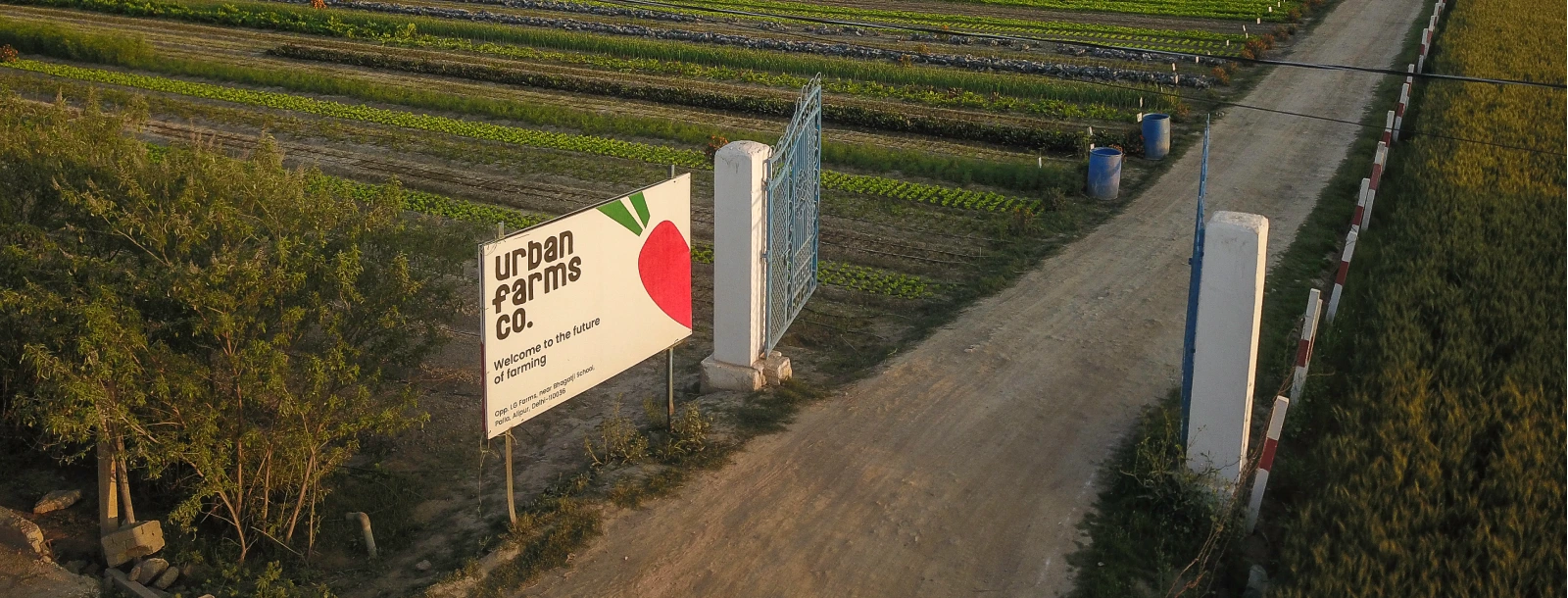
TL;DR: Urban Farms Co. case studies demonstrate effective regenerative urban farming techniques, fostering resilient cities through practical, scalable solutions for food, soil, and community.
- Proven solutions enhance urban soil health and biodiversity.
- Container and vertical farming maximize city spaces.
- No-till and companion planting improve pest resilience.
- Vermicomposting and lasagna mulching boost small-scale efforts.
- Economic models show urban farm viability and job creation.
Why it matters: Regenerative urban farming offers tangible ways to build local food security, create green jobs, and transform degraded urban spaces into productive, resilient ecosystems. This approach directly counters climate change impacts and strengthens community bonds.
Do this next: Start a small-scale vermicompost system for your kitchen waste. It significantly reduces landfill contributions and provides nutrient-rich soil amendments for your plants.
Recommended for: Urban dwellers, community organizers, and permaculture practitioners seeking proven, scalable methods for sustainable food production and ecological restoration in city environments.
Urban Farms Co.'s case studies showcase proven solutions for resilient cities through regenerative urban farming, emphasizing real-world regeneration, social impact, and sustainable supply chains. These examples provide practical, field-tested methods tailored for urban settings, focusing on techniques that build soil health, enhance biodiversity, and promote self-sufficiency amid city constraints. Key insights include innovative approaches to container gardening, vertical farming integrations, and community-scale permaculture designs that revive degraded urban soils. Practitioners learn specific strategies like no-till methods adapted for rooftops and lots, companion planting for pest resilience, and water-harvesting systems that conserve resources while boosting yields. The studies document measurable results such as increased organic matter in soils, reduced dependency on external inputs, and economic models for urban farm viability. Social impacts highlighted involve job creation, food security for neighborhoods, and educational programs teaching regenerative living. For home gardeners, actionable details cover starting small with lasagna mulching in raised beds, integrating worms for vermicomposting in apartments, and using cover crops in limited spaces to mimic natural ecosystems. These tie to permaculture by maximizing diversity and minimal disturbance, fostering resilience against climate variability. Case studies offer depth on overcoming urban challenges like contamination or shade, with step-by-step implementations from expert urban farmers. Outcomes include higher productivity, lower costs, and community empowerment, providing concrete lessons for scaling regenerative practices in backyards or balconies toward self-sufficient living.