5 Essential Bio Garden Pollinator Plants for Permaculture
By Permaculture facile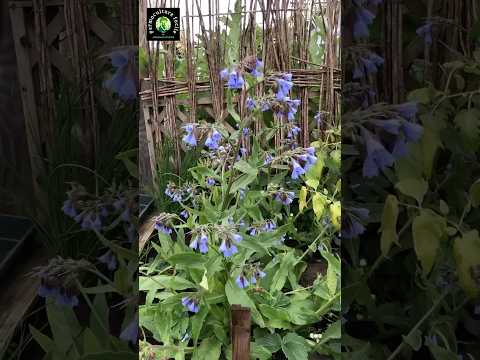
PermaNews Brief
Key Takeaways
Boost your organic garden’s health and yield by integrating specific flowering plants that attract essential pollinators.
- Melliferous plants provide vital food for pollinators.
- Pollinators enhance fruit and vegetable crop productivity.
- Borage offers extended flowering and edible leaves.
- Calendula attracts pollinators and deters pests.
- Lavender appeals to bees and is drought-tolerant.
Why It Matters
Integrating pollinator-friendly plants into your garden directly improves biodiversity and increases the success of fruiting crops, leading to a more resilient and productive ecosystem.
What to Do Next
Research local melliferous plant varieties suitable for your region’s climate and soil.
Recommended for: Gardeners looking to naturally boost their fruit and vegetable yields and improve garden biodiversity.
This article highlights the importance of incorporating specific flowering plants into an organic garden, particularly within a permaculture framework, to support pollinator populations. The central theme revolves around the concept of "melliferous" plants, which are those that produce nectar and pollen, serving as vital food sources for bees and other beneficial insects. By attracting these pollinators, gardeners can enhance the productivity of their fruit and vegetable crops, as many edible plants rely on insect pollination for successful fruit set. Beyond pollination, these plants also contribute to a healthier garden ecosystem by fostering biodiversity and potentially deterring pests.
The article identifies five key plant species that are particularly effective for this purpose. The first plant discussed is borage. Borage is lauded for its extended flowering period, which provides a consistent food source for pollinators over a long season. Its vibrant blue flowers are highly attractive to bees, and it's also noted for its edible leaves and flowers, offering an additional benefit to the gardener.
Next, the article introduces calendula, or pot marigold. Calendula is praised for its bright, cheerful blooms that not only attract pollinators but also have a reputation for deterring certain garden pests. Its ease of cultivation and ability to self-seed make it a convenient choice for maintaining a continuous presence in the garden. Like borage, calendula flowers are edible and can be used in various culinary applications.
Lavender is another essential plant recommended for its strong appeal to bees and its aromatic qualities. The article emphasizes lavender's drought tolerance once established, making it a suitable choice for water-wise gardening. Its fragrant flowers are not only a magnet for pollinators but also offer a pleasant sensory experience in the garden and can be harvested for their essential oils or for culinary and medicinal uses.
The fourth plant highlighted is phacelia. Phacelia is presented as an excellent cover crop that also serves as a powerful pollinator attractant. Its rapid growth and ability to suppress weeds are beneficial for soil health, while its distinctive purple flowers are highly sought after by bees. The article suggests that phacelia can be incorporated into crop rotations to improve soil structure and fertility while simultaneously supporting insect life.
Finally, the article discusses sunflowers. Sunflowers are recognized for their large, showy blooms that provide abundant nectar and pollen, making them a favorite among a wide range of pollinators, including various bee species. Beyond their pollinator benefits, sunflowers offer edible seeds and can create a visually striking element in the garden, providing vertical interest and shade for other plants.
In summary, the article advocates for a thoughtful approach to garden design that integrates these specific melliferous plants. By doing so, gardeners can create a more resilient and productive organic garden ecosystem. The emphasis is on the interconnectedness of plants, insects, and soil health, aligning perfectly with permaculture principles. The selection of these five plants is based on their effectiveness in attracting pollinators, their ease of cultivation, and their additional benefits to the gardener and the garden environment.
Source: youtube.com
Related Analysis
- Food Forest Courses Shift From Theory to Build-Ready Skills — Several food forest courses now open with site assessment and guild-building rather than design theory, suggesting a dev…
- Practitioners Build Silvopasture Playbook Before Researchers Catch Up — A small but consistent set of signals from the Northeast U.S. shows farmers actively piloting silvopasture while formal …
Related on PermaNews
- Aloe Vera: Free Grapevine Rooting Hormone DIY (Video)
- 4 Pflanzen, 620 kg Tomaten: Permakultur-Erfolg! (Video)
- Famine Food: 60-Day Crop Beats Rice - Easy, Nutritious (Video)
- Gärten klimafest machen: Naturschutz durch Resilienz (Article)
- Gärten als Kohlenstoffsenke: Permakultur für Klimaschutz (How-To Guide)
- April Permaculture Tour: Interplanting, Early Harvests, No-Dig UK (Video)
Explore more in Food Systems & Growing — the full hub for this knowledge area.