Kitchen Gardens: COVID & Climate Resilience (Huairou Commission)
By Huairou Commission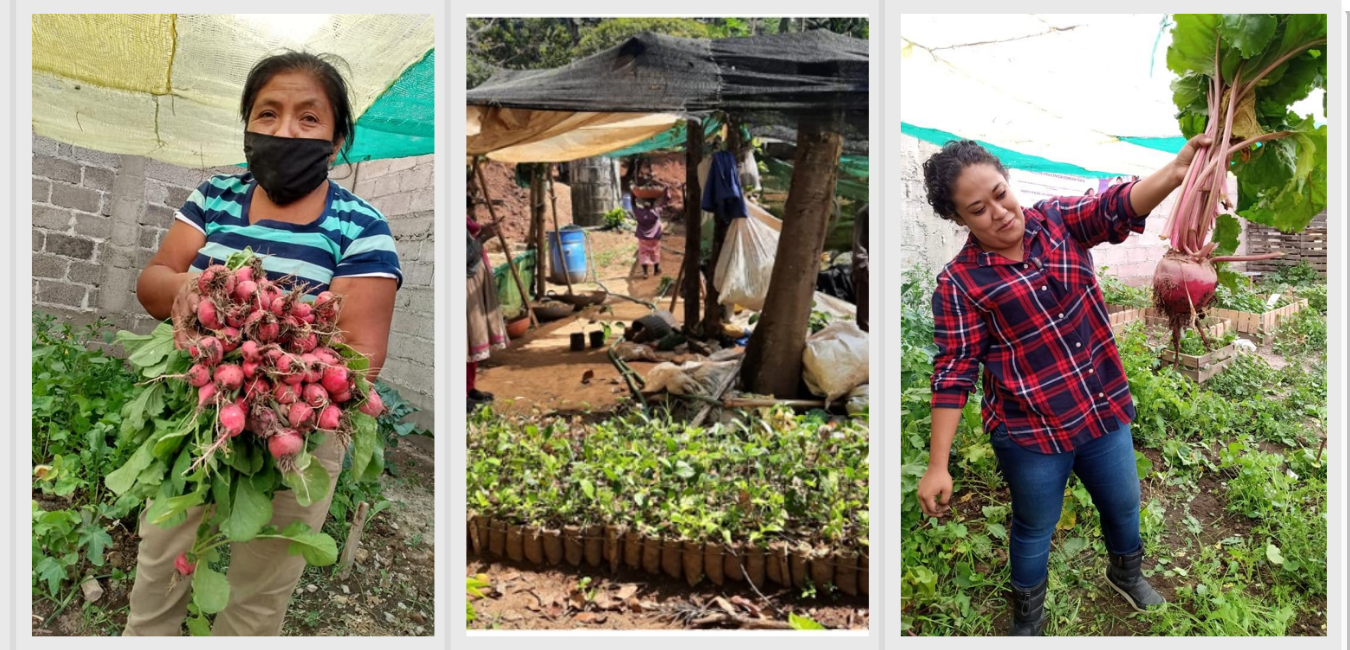
PermaNews Brief
Key Takeaways
Grassroots women’s groups globally boosted food security and resilience through kitchen gardens during COVID-19, integrating eco-friendly methods and ancestral plants.
- Community kitchen gardens enhanced food and income security during crises.
- Eco-friendly practices protected biodiversity and local seed varieties.
- Integrating ancestral medicinal plants improved family health.
- Women’s leadership proved crucial for household nutrition and resilience.
- Scalable models offer dual solutions for pandemics and climate change.
- Partnerships with local government and churches sustained garden initiatives.
Why It Matters
This initiative demonstrates a powerful, community-led model for crisis response, showing how permaculture principles can be applied at scale to improve food security, public health, and environmental sustainability simultaneously.
What to Do Next
Explore local partnerships with community groups or religious organizations to support food garden initiatives in your area.
Recommended for: Community leaders, permaculture practitioners, and policymakers interested in grassroots-led solutions for food security and climate resilience.
Huairou Commission supported 27 grassroots women's organizations in Africa, Asia, and Latin America with Covid-19 grants to address food insecurity via kitchen gardens, identified through vulnerability mapping. Groups expanded or initiated gardens, growing vegetables for balanced diets rich in proteins, vitamins, and minerals, while incorporating ancestral medicinal plants between orchards. In Ecuador's Toacazo, OMICSE strengthened family gardens, partnering with church and government for inputs to sustain production. Eco-friendly methods preserved local/indigenous seeds, supported ecosystem services, and protected the environment. Benefits include livelihood diversification, income/food security, improved nutrition, and resilience to pandemics and climate change. Gardens align with UN SDGs by promoting local food production, recycling, greening, and resource reduction. Women's leadership enhanced household health at low cost, with practices like intercropping medicinals adding family health benefits. The initiative demonstrates scalable, community-driven models for dual crisis response, emphasizing sustainability, gender equity, and integration with local governance for ongoing viability.
Source: huairou.org
Related Analysis
- Rodale Institute Builds Compost-Poultry Integration Into Formal Curriculum — Rodale Institute's Sept 2026 webinar frames compost-poultry integration as a formal soil nutrient protocol, signaling a …
- Composting Advice Shifts From Chemistry to Microbial Biology — Several sources suggest composting guidance is pivoting from nutrient ratios toward microbial ecology—reframing what "go…
Related on PermaNews
- Autarke Permakultur-Siedlung: Solar-Wind & Redox-Flow-Speicher (Case Study)
- Holmgren's RetroSuburbia: Permaculture for Resilient Living (Article)
- Transforming Schools and Campuses into Edible Landscapes (Video)
- Transforming Schools and Corporations into Edible Landscapes (Video)
- Maximizing Yields: Planting Less for Greater Harvests (Video)
- Why Growing Your Own Food is Crucial Amid Soaring Prices (Video)
Explore more in Food Systems & Growing — the full hub for this knowledge area.