Fix Rotting Window Frames: 5 Essential Steps
By Ricardo Orlando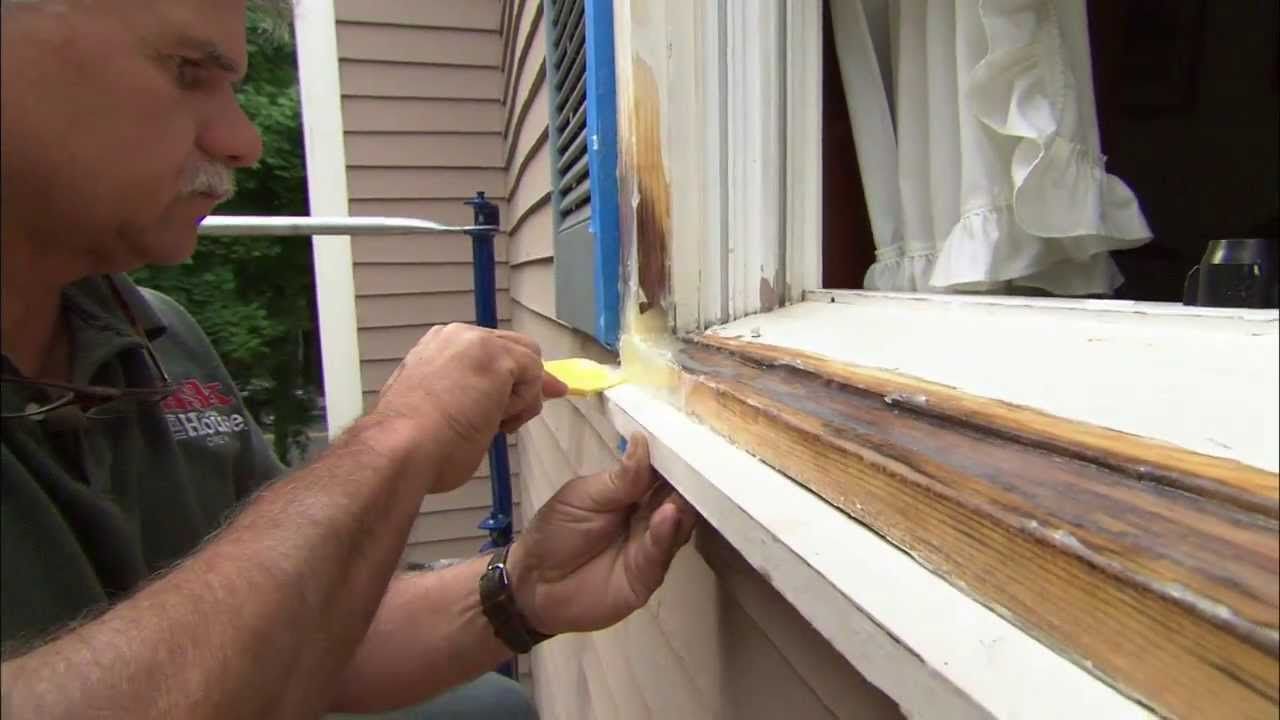
PermaNews Brief
Key Takeaways
Repairing a rotting window frame involves assessing damage, removing decayed wood, applying a wood hardener, and then restoring the frame.
- Assess rot depth carefully.
- Remove all decayed wood.
- Clean the area thoroughly.
- Apply wood hardener correctly.
- Consider full replacement if severe.
Why It Matters
Addressing rotting window frames promptly prevents further structural damage, maintains home integrity, and avoids costly replacements.
What to Do Next
Inspect all your window frames for any signs of discoloration or softness.
Recommended for: Homeowners keen to perform DIY repairs and extend the life of their property.
Addressing a rotting window frame is a common home maintenance concern, and fortunately, repair is often a viable option, depending on the extent of the damage. The process typically involves a series of steps to assess, prepare, and restore the affected area.
The initial step in tackling a rotting window frame is a thorough assessment of the damage. It's crucial to determine how deeply the rot has penetrated the wood. Superficial rot, often appearing as discoloration or softness on the surface, is generally easier to manage. However, if the rot has spread extensively, compromising the structural integrity of the frame, a full replacement might be a more practical and safer solution. This assessment can involve probing the wood with a screwdriver or awl to gauge its firmness. Areas that feel spongy or crumble easily indicate significant decay.
Once the extent of the rot is understood, the next phase involves preparing the area for repair. This begins with the careful removal of all decayed wood. Using tools like a chisel, utility knife, or even a small saw, the rotted sections should be cut away until only solid, healthy wood remains. It's important to be meticulous in this step, as any remaining rot can continue to spread and undermine the repair. After removing the rotted wood, the exposed healthy wood should be thoroughly cleaned to remove any debris, dust, or lingering fungal spores. A wire brush can be effective for this, followed by a wipe-down with a damp cloth.
Following the cleaning, the next critical step is to apply a wood hardener. This specialized liquid penetrates the remaining healthy wood, strengthening it and preventing further decay. Wood hardeners typically contain resins that soak into the wood fibers, solidifying them and creating a more stable base for subsequent repairs. The hardener should be applied generously according to the manufacturer's instructions, often requiring several coats and adequate drying time between applications. This step is particularly important for ensuring the longevity of the repair.
After the wood hardener has fully cured, the voids left by the removed rot need to be filled. Wood epoxy is the preferred material for this task due to its durability, weather resistance, and ability to bond strongly with wood. The epoxy typically comes in two parts that must be mixed together before application. Once mixed, the epoxy should be carefully applied to fill all gaps and depressions, building up the area to match the original profile of the window frame. It's often helpful to overfill slightly, as the epoxy can be sanded down once it has hardened. For larger voids, it might be necessary to build up the epoxy in layers, allowing each layer to cure before applying the next.
The final stage of the repair involves shaping and finishing the patched area. Once the wood epoxy has completely hardened, it can be sanded smooth to blend seamlessly with the surrounding frame. Starting with a coarser grit sandpaper and progressing to finer grits will achieve a smooth finish. After sanding, the repaired area is ready for priming and painting. A good quality exterior primer should be applied first to seal the epoxy and provide a uniform surface for the topcoat. Finally, two coats of exterior paint, matching the existing window frame color, will protect the repair from the elements and restore the aesthetic appeal of the window. This comprehensive approach ensures that the repaired window frame is not only structurally sound but also visually integrated with the rest of the home.
Source: urbanfarmonline.com
Related Analysis
- Homeowners Retrofit Properties with Renewable Energy Solutions — Renewable energy retrofitting gains traction as regenerative agriculture principles inform home upgrades. Experts point …
- New Practices Build Climate-Resilient Cob Homes — Cob construction emerges as a key strategy in enhancing resilience against ecological challenges in permaculture systems…
Related on PermaNews
- DIY Home Repair: 6 Jobs to ALWAYS Call a Professional For (Article)
- Roof Replacement: Optimal Season for Your Home (Article)
- Emergency Roof Repair: Finding Quality Contractors Now (Article)
- Chimney Sweep vs. Inspection: Key Differences Explained (Article)
- Regular Drain Cleaning: 5 Key Benefits for Your Home (Article)
- Easy Drain Cleaning Tips: Prevent Home Plumbing Nightmares (Article)
Explore more in Shelter, Energy & Infrastructure — the full hub for this knowledge area.