Propagating a Peculiar Pear: From Fence to Orchard
By David The Good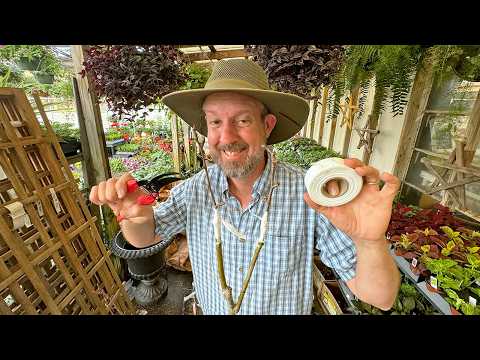
PermaNews Brief
Key Takeaways
A unique, resilient seedling pear discovered in a fence row was propagated via grafting to replicate its desirable traits.
- Discovering standout volunteer seedlings can yield resilient plants.
- Grafting ensures genetic replication of desirable fruit tree characteristics.
- Collect dormant, disease-free scion wood in late winter or early spring.
- Proper storage maintains scion viability until grafting begins.
- Look for vigorous growth and hardiness in unexpected locations.
Why It Matters
Identifying and propagating resilient, adaptable fruit tree varieties is crucial for sustainable agriculture and food security, especially in challenging environments.
What to Do Next
Learn more about identifying valuable seedling trees in your local environment.
Recommended for: Home gardeners, permaculturists, and fruit tree enthusiasts interested in discovering and propagating unique, resilient varieties.
This article details the discovery and propagation of a unique seedling pear tree exhibiting unusual characteristics, and the subsequent efforts to reproduce it. The narrative begins with the initial observation of this particular pear tree growing in an unexpected location, specifically in a fence row. This tree stood out due to its vigorous growth and apparent resilience, especially considering it was a volunteer seedling, meaning it grew from a dropped seed rather than being intentionally planted or grafted.
The individual who discovered it, a keen observer of plants and permaculture principles, recognized its potential value. Seedling trees, particularly fruit trees, often exhibit genetic diversity that can lead to novel traits. In this case, the pear tree displayed an exceptionally strong root system and overall hardiness, thriving in conditions that might challenge other cultivated varieties. Its location in a fence row, often a less-than-ideal growing environment due to competition and neglect, further highlighted its robustness.
Intrigued by these qualities, the decision was made to propagate this unique pear. The primary method chosen for propagation was grafting, a horticultural technique where parts of two plants are joined so they grow as one. Grafting allows for the exact genetic replication of the desired scion (the top part of the plant with the desired fruit characteristics) onto a different rootstock (the bottom part that provides the root system). This ensures that the new trees will produce fruit identical to the original discovery.
The process involved collecting scion wood from the original seedling pear tree. Scion wood is typically dormant branches or twigs, collected during the late winter or early spring before bud break. This wood needs to be healthy and free from disease to ensure successful grafts. Once collected, the scion wood was carefully stored to maintain its viability until grafting could commence.
For the grafting process, suitable rootstock was acquired. Rootstock selection is crucial as it influences the size, vigor, disease resistance, and adaptability of the grafted tree. While the article doesn't specify the exact rootstock used, it implies a deliberate choice to complement the desirable traits of the seedling pear. Common pear rootstocks include callery pear, OHxF series, or quince, each offering different advantages.
The grafting itself was performed using standard techniques. Common grafting methods for fruit trees include whip-and-tongue, cleft graft, or bark graft, depending on the size of the scion and rootstock. The goal is to ensure cambium layers (the growth tissue just under the bark) of both the scion and rootstock are in close contact, allowing them to fuse and grow together. After grafting, the union is typically wrapped with grafting tape or wax to protect it from drying out and to hold the parts securely in place.
The initial results of the grafting efforts were positive, with several grafts taking successfully. This success confirmed the viability of propagating this particular pear and the potential to create multiple copies of this unique specimen. The newly grafted trees were then nurtured, requiring careful attention to watering, protection from pests, and proper light exposure to ensure their establishment and growth.
The long-term goal of this project is to evaluate the fruit quality of this seedling pear. While its vigor and hardiness are already evident, the ultimate test for any fruit tree is the taste and characteristics of its produce. By creating multiple grafted trees, the individual can observe how the fruit performs in different conditions and over several seasons, providing a more comprehensive assessment. If the fruit proves to be desirable, this unique seedling could potentially become a new, named variety, offering a valuable addition to the diversity of pear cultivars available to growers. This endeavor exemplifies a practical application of permaculture principles, focusing on observing nature, identifying resilient and productive plants, and propagating them to enhance food systems.
Source: youtube.com
Related Analysis
- Rodale Institute Builds Compost-Poultry Integration Into Formal Curriculum — Rodale Institute's Sept 2026 webinar frames compost-poultry integration as a formal soil nutrient protocol, signaling a …
- Composting Advice Shifts From Chemistry to Microbial Biology — Several sources suggest composting guidance is pivoting from nutrient ratios toward microbial ecology—reframing what "go…
Related on PermaNews
- Worst Soil? See Our Food Growth Successes! (Video)
- Compost Ready? Do THIS First for Soil Health! (Video)
- Beat the Frost: Gardening Protection Strategies (Video)
- Winter Squash Sowing: UK Gardeners - Part 2 (Video)
- Mastering Compost Ratios for Garden Soil Health (Video)
- Protecting Your Harvest: Frost Solutions for Growers (Video)
Explore more in Food Systems & Growing — the full hub for this knowledge area.