Asheville's Power Crisis: Duke Energy Under Pressure
By Yan Cohen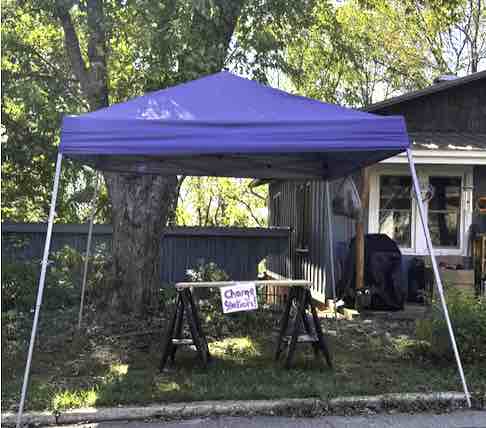
PermaNews Brief
Key Takeaways
Asheville, NC faces widespread power and water outages after Hurricane Helene, highlighting vulnerabilities in energy infrastructure and disaster preparedness.
- Hurricane Helene caused major power and water outages in Asheville.
- Many residents, especially newcomers, are experiencing significant losses.
- Duke Energy criticized for slow power restoration and grid vulnerability.
- Frequent severe weather events precede latest hurricane disruptions.
- Lack of flood insurance leaves some facing high recovery costs.
Why It Matters
This event underscores the critical need for resilient infrastructure and effective disaster response in the face of increasing extreme weather.
What to Do Next
Review your home’s emergency preparedness plan, including backup power and water solutions.
Recommended for: Urban planners, disaster preparedness officials, and residents concerned about infrastructure resilience during extreme weather events.
The city of Asheville, North Carolina, is currently experiencing significant disruptions following Hurricane Helene, with a substantial portion of its population still without electricity and water. Reports indicate that nearly half of Asheville's 250,000 residents are affected, a week after the hurricane made landfall. This situation has led to residents queuing for water and seeking places to charge their mobile devices.
Many individuals who relocated to Asheville over the past decade, often seeking refuge from extreme weather, are now facing considerable losses. A number of these newcomers had opted against flood insurance due to high premiums, despite assurances from Duke Energy, the primary power provider in the region, regarding efforts to enhance resilience and transition to decarbonized energy sources.
Across the Carolinas, the hurricane severely impacted the power grid, with approximately one million customers remaining without electricity. Duke Energy, which supplies 95% of the power in the Asheville area, has faced historical criticism concerning its response to power outages, particularly during severe weather events. Concerns about service reliability and restoration times, when compared to national benchmarks, have been frequently noted.
Recent incidents leading up to Hurricane Helene highlight a pattern of power disruptions in Asheville. A severe thunderstorm in late August resulted in localized outages due to high winds. In mid-July, a summer storm caused widespread outages after lightning strikes damaged power infrastructure. Early June saw thousands affected by a strong weather system with heavy rain and gusty winds, and a significant windstorm in mid-May also led to extensive power loss from fallen trees and damaged lines.
Social media commentary reflects the frustration of residents, with one user questioning Duke Energy's presence and progress, drawing parallels to other disaster-stricken areas.
Specifically, in Buncombe County, where Asheville is located and Helene's impact was most severe, at least 95,000 customers are still without power. Neighboring Henderson County reports 52,000 customers without electricity, while Rutherford and McDowell counties have approximately 23,000 and 19,000 outages, respectively.
In response to the crisis, Duke Energy has announced a charitable donation of $1 million to the community. However, the company has not provided a timeline for when power is expected to be fully restored.
Source: off-grid.net
Related Analysis
- Off-Grid Builders Test Rocket Mass Heaters at -35°F — Early 2024 data from high-altitude and sub-zero builds indicate rocket mass heaters sustaining livable temperatures with…
- Homeowners Retrofit Properties with Renewable Energy Solutions — Renewable energy retrofitting gains traction as regenerative agriculture principles inform home upgrades. Experts point …
Related on PermaNews
- Finnish Off-Grid: Rocket Mass Heater Performance in Greenhouse (Case Study)
- Rodale Report 2025: Thermal Mass Boost in Solar Greenhouses (Case Study)
- Earthaven Ecovillage: 30 Years Off-Grid with Hydro & Solar (Video)
- 2025: Rocket Mass Heaters in PHI-Certified Earthship Tiny Homes (Case Study)
- Off-Grid Water: Cistern Design & Sizing for Security (How-To Guide)
- Net-Zero Greenhouse Design: Year-Round Food Production via ATTRA (How-To Guide)
Explore more in Shelter, Energy & Infrastructure — the full hub for this knowledge area.