Medical & Sharps Waste Recycling: Eco & Economic Outlook
PermaNews Brief
Key Takeaways
Recycling medical and sharps waste is crucial for environmental protection, public health, and economic sustainability, offering a safer alternative to traditional disposal methods.
- Medical waste poses significant environmental and health risks.
- Improper disposal contaminates water, soil, and air.
- Recycling diverts waste and mitigates hazards.
- Segregation and sterilization are key steps in medical waste recycling.
- Cost-effectiveness and ecological responsibility are promoted by recycling.
Why It Matters
The proper management of medical waste directly impacts public health and the environment. Implementing recycling practices reduces pollution and prevents the spread of diseases, fostering a healthier and more sustainable future.
What to Do Next
Research local medical waste recycling programs or initiatives in your area and advocate for their expansion.
Recommended for: Healthcare professionals, waste management specialists, environmental advocates, and policymakers interested in sustainable hazardous waste solutions.
The management of medical and sharps waste presents a significant challenge within the broader context of global sustainability, often overlooked despite its critical environmental and economic implications. Recycling plays a pivotal role in addressing this issue, offering a multifaceted solution that mitigates hazards, promotes ecological responsibility, and fosters cost-effectiveness.
Medical waste encompasses a diverse range of materials, including infectious waste, pathological waste, pharmaceutical waste, and sharps. Improper disposal of these materials poses substantial risks to public health and the environment. For instance, infectious waste can transmit diseases, while sharps, such as needles and scalpels, can cause injuries and facilitate the spread of bloodborne pathogens. Pharmaceutical waste, if not managed correctly, can contaminate water sources and soil, leading to adverse effects on ecosystems and human health. Traditional disposal methods, such as incineration and landfilling, also have their drawbacks. Incineration can release harmful pollutants into the atmosphere, contributing to air pollution and climate change, while landfills can leach toxic substances into the ground, contaminating groundwater.
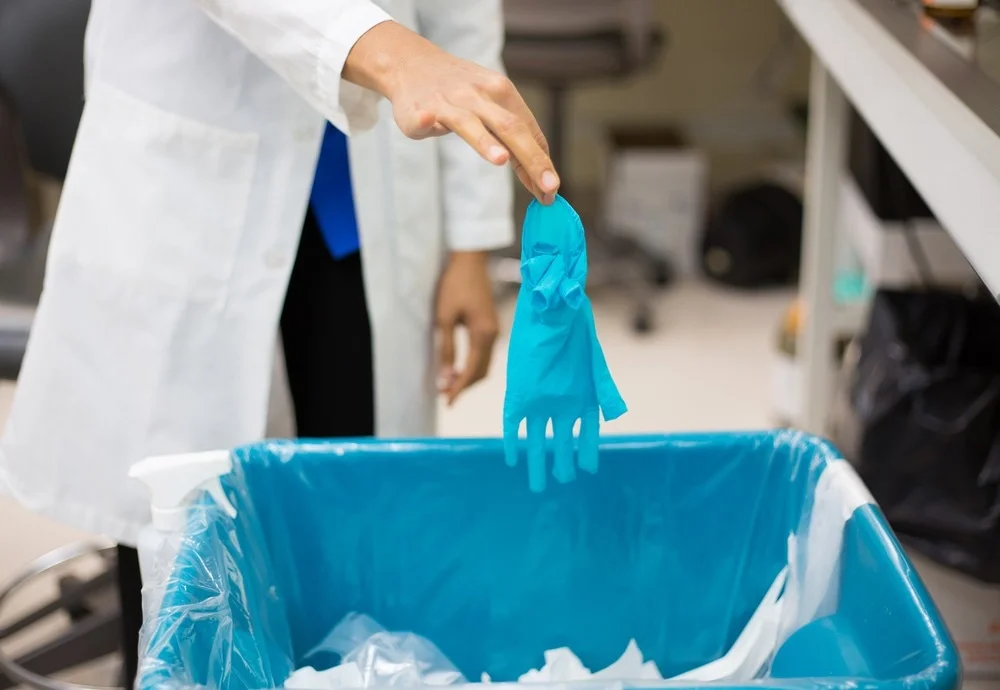
Recycling offers a more sustainable alternative by diverting these materials from traditional waste streams. The process typically involves several stages, beginning with the segregation of waste at the point of generation. This crucial step ensures that different types of medical waste are separated, allowing for appropriate handling and processing. For example, sharps are collected in puncture-resistant containers, while certain plastics and metals can be separated for recycling. After segregation, the waste undergoes sterilization or disinfection to eliminate pathogens and render it safe for further processing. Various methods can be employed for this purpose, including autoclaving (steam sterilization), chemical disinfection, and microwave irradiation.
Once sterilized, the materials can be sorted and processed for recycling. Plastics, which constitute a significant portion of medical waste, can be reprocessed into new products, reducing the demand for virgin plastics and conserving natural resources. Metals, such as those found in surgical instruments, can also be recovered and recycled. Even some types of glass can be recycled, though this is often more challenging due to contamination and specific material properties. The economic benefits of recycling medical waste are substantial. By reducing the volume of waste sent to landfills or incinerators, healthcare facilities can significantly lower their disposal costs. Furthermore, the sale of recycled materials can generate revenue, partially offsetting the costs associated with waste management. The energy savings associated with using recycled materials instead of raw materials also contribute to economic efficiency.
Beyond the immediate economic and environmental advantages, recycling medical waste fosters a circular economy approach within the healthcare sector. This paradigm shift emphasizes resource efficiency, waste reduction, and the continuous reuse of materials, aligning with broader sustainability goals. Implementing effective medical waste recycling programs requires collaboration among various stakeholders, including healthcare providers, waste management companies, regulatory bodies, and technology developers. Investment in advanced recycling technologies and infrastructure is also essential to maximize the recovery of valuable materials and ensure the safe and efficient processing of medical waste.
In conclusion, the integration of recycling into medical and sharps waste management strategies is not merely an option but a necessity for achieving environmental sustainability and economic viability. By mitigating health risks, reducing pollution, conserving resources, and lowering operational costs, recycling offers a comprehensive solution to a complex global challenge, paving the way for a more responsible and sustainable healthcare system.
Source: urbanfarmonline.com
Related Analysis
- Colorado Beekeeper Lost 85% of Hives in 2021 — A Colorado beekeeper lost 85% of his hives in 2021. The sudden collapse raises questions about pesticide exposure in com…
- Bee Colony Losses Rise as Research Funding Declines — US beekeepers mobilize against colony losses and shrinking research budgets. Learn how apiarists are adapting to reduced…
Related on PermaNews
- Water-Centric Design: A Key to Sustainable Permaculture (Video)
- David Holmgren on Permaculture: A Revolutionary Gardening Approach (Video)
- UN Sounds Alarm on AI's Growing Environmental Footprint (Article)
- Exploring Permaculture with Geoff Lawton in Australia (Video)
- Over 300 Studies Reveal Chlorpyrifos Linked to Serious Health Risks (Article)
- Essential Role of Topsoil in Earth's Life Systems (Video)
Explore more in Shelter, Energy & Infrastructure — the full hub for this knowledge area.