Fermented Feed for Ducks: Self-Sufficient Tanya's Approach
By Self Sufficient Homesteading & Gardening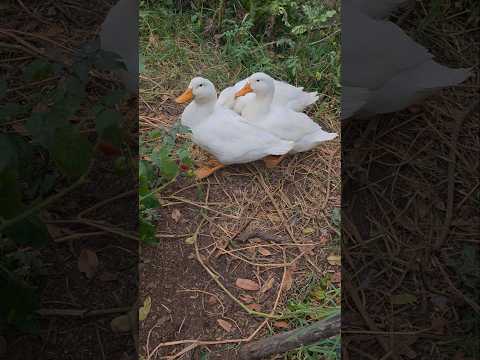
TL;DR: Fermenting feed can enhance nutrient uptake and improve gut health for ducks, leading to better overall well-being.
- Fermented feed boosts nutrient availability and digestibility for ducks.
- Improves gut health by introducing beneficial microorganisms.
- Can lead to better growth, egg production, and stronger immune systems.
- Ducks find fermented feed palatable and easier to digest.
- A practical approach for self-sufficient animal husbandry.
Why it matters: Optimizing duck feed through fermentation can significantly impact their health and productivity, offering a sustainable practice for homesteaders.
Do this next: Explore fermenting a small batch of your ducks' feed to observe their reaction and health benefits.
Recommended for: Homesteaders and small-scale farmers seeking natural and effective ways to enhance the health and productivity of their duck flock.
The provided content, consisting solely of a title and a source, offers minimal information for a comprehensive summary. The title, "Our ducks love their fermented feed. duck fermented selfsufficienttanya," along with the source "Self Sufficient Homesteading & Gardening," suggests a focus on a specific aspect of animal husbandry within a self-sufficiency context.
Based on this limited input, the core message revolves around the positive reception of fermented feed by ducks. The use of the word "love" indicates that the ducks exhibit a strong preference for this type of feed, implying potential benefits or palatability. Fermentation, in the context of animal feed, typically involves a process where microorganisms, such as bacteria and yeasts, break down complex organic matter in the feed. This process can lead to several advantages.
One common benefit of fermenting feed is an increase in its nutritional value. Fermentation can enhance the digestibility of nutrients by breaking down anti-nutritional factors and making vitamins and minerals more bioavailable. For instance, the process can increase levels of B vitamins and enzymes, which aid in digestion. This improved nutrient absorption could contribute to better overall health, growth, and egg production in ducks.
Another potential advantage is improved gut health. Fermented feeds often contain beneficial microorganisms that can act as probiotics, colonizing the digestive tract and inhibiting the growth of harmful bacteria. A healthy gut microbiome is crucial for a strong immune system and efficient nutrient utilization. The positive impact on gut health could lead to fewer digestive issues and a more robust flock.
Furthermore, fermented feed can be more palatable and digestible for animals. The fermentation process can alter the texture and flavor of the feed, making it more appealing. The breakdown of complex carbohydrates into simpler sugars can also make the feed easier for the ducks to digest, potentially leading to less waste and better feed conversion ratios. This increased palatability could explain why the ducks are described as "loving" their fermented feed.
From a self-sufficiency perspective, as indicated by the source "Self Sufficient Homesteading & Gardening" and the hashtag "selfsufficienttanya," utilizing fermented feed aligns with principles of sustainable living. Fermenting feed can be a cost-effective way to enhance the value of readily available ingredients, potentially reducing reliance on commercially processed feeds. It can also be a method for extending the shelf life of feed ingredients, minimizing spoilage and waste. This approach fits well within a homesteading model where resourcefulness and maximizing the utility of on-hand materials are key.
The hashtag "duck" clearly identifies the animal in question, while "fermented" highlights the specific feeding method. The personal nature implied by "Our ducks" and "selfsufficienttanya" suggests this is an observation or practice from a specific individual or household engaged in self-sufficient living. This implies a practical, hands-on experience rather than a purely theoretical discussion.
In summary, the provided information, while brief, points to a positive experience with feeding fermented feed to ducks within a self-sufficient homesteading context. This practice likely offers benefits such as enhanced nutrition, improved digestibility, better gut health, and increased palatability for the ducks, all contributing to a more sustainable and efficient animal husbandry system.