March Indoor Sowing Guide: Zone 5b/6a & Unheated Shelters
By Willows Green Permaculture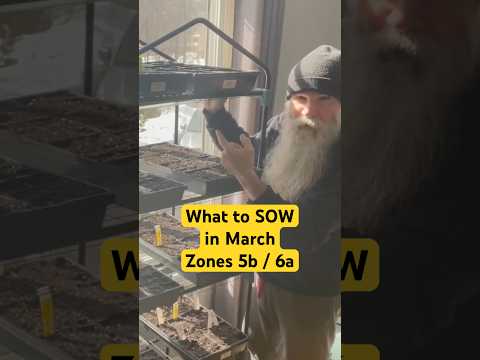
TL;DR: March is ideal for starting numerous vegetable and herb seeds indoors, especially for zones 5b/6a, to get a jump on the growing season.
- Start tomatoes, peppers, eggplants indoors early for better harvests.
- Basil, oregano, thyme, rosemary benefit from indoor March sowing.
- Broccoli and cabbage can be started indoors for early summer.
- Use sterile seed mix, provide adequate light, and consistent moisture.
- Unheated shelters extend options for some cool-tolerant crops.
Why it matters: Starting seeds indoors provides a controlled environment, protecting young plants from unpredictable early spring weather and leading to earlier, more abundant yields.
Do this next: Begin sowing your chosen seeds indoors using sterile mix and adequate lighting.
Recommended for: Gardeners in temperate regions looking to extend their growing season and achieve earlier harvests through indoor seed starting.
This guide outlines planting recommendations for March, specifically tailored for gardeners in USDA hardiness zones 5b and 6a, and also provides advice for those utilizing unheated shelters or greenhouses. The primary focus is on starting seeds indoors to get a head start on the growing season, as well as identifying crops suitable for cooler, protected environments.
For indoor seed starting in March, several vegetable and herb varieties are highlighted. Tomatoes, a popular warm-season crop, are a prime candidate for indoor sowing this month. Starting them early allows for stronger, more mature plants to be transplanted outdoors once the danger of frost has passed, leading to an earlier and more abundant harvest. Peppers, both sweet and hot varieties, also benefit significantly from an early indoor start due to their long growing season requirements. Similarly, eggplants, another heat-loving vegetable, should be initiated indoors in March to ensure they have ample time to mature and produce fruit.
Beyond these common garden staples, various herbs are also suitable for indoor sowing. Basil, known for its aromatic leaves and culinary versatility, thrives when started indoors. Other herbs like oregano, thyme, and rosemary, while sometimes slower to germinate, can also be started now to establish robust plants for the outdoor garden. Certain brassicas, such as broccoli and cabbage, can be started indoors in March, particularly if gardeners aim for an early summer harvest. While they can tolerate cooler temperatures than tomatoes or peppers, an indoor start provides a controlled environment for germination and initial growth, protecting young seedlings from unpredictable early spring weather.
The guide also emphasizes the importance of proper seed starting techniques. This includes using sterile seed starting mix to prevent damping-off disease, ensuring adequate light for seedlings (often requiring grow lights to prevent legginess), and maintaining consistent moisture levels without overwatering. Proper ventilation is also crucial to prevent fungal issues.
For those with unheated shelters or greenhouses, March presents an opportunity to plant a different set of crops. These protected environments, while not heated, offer a significant advantage over open ground by moderating temperature fluctuations and providing shelter from harsh winds and heavy precipitation. This allows for earlier planting of cool-season vegetables.
Spinach and lettuce are excellent choices for unheated shelters. They are cold-hardy and can tolerate light frosts, and the protection of a greenhouse or cold frame allows for much earlier harvests than direct sowing outdoors. Other leafy greens like arugula, mustard greens, and various Asian greens also thrive in these conditions. These crops can often be harvested multiple times, providing a continuous supply of fresh greens.
Root vegetables such as radishes and carrots can also be sown in an unheated greenhouse in March. Radishes mature quickly, offering an early crop, while carrots, though slower, benefit from the consistent soil temperatures and protection. Peas, particularly shelling or snap varieties, can also be planted in an unheated structure. The shelter provides a warmer soil temperature for germination and protects young plants from late winter or early spring cold snaps, leading to an earlier pea harvest.
Even some brassicas, like kale and collard greens, can be direct-sown in an unheated greenhouse during March. These are quite cold-tolerant and will establish well in the protected environment. The guide implicitly suggests that while these structures are unheated, they still trap solar radiation, raising the internal temperature above ambient outdoor conditions, which is critical for early season growth.
In summary, March is a pivotal month for gardeners in zones 5b/6a. Indoor seed starting focuses on warm-season crops like tomatoes, peppers, and eggplants, along with various herbs, to ensure a strong start. Concurrently, unheated shelters and greenhouses can be utilized to extend the growing season for cool-season vegetables such as leafy greens, root crops, and peas, allowing for earlier and more consistent harvests. Successful cultivation in both scenarios hinges on understanding the specific needs of each plant and providing appropriate environmental conditions.