Polytunnel Winter Carrots: Grow Your Own Cold-Season Harvest
By RED Gardens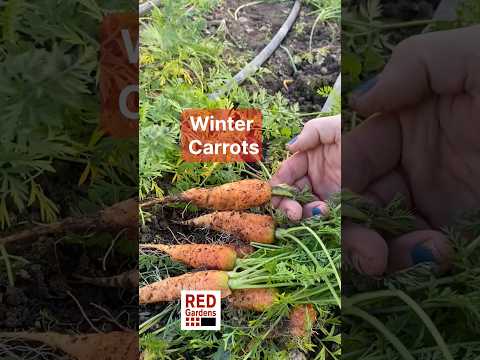
TL;DR: Extend your carrot harvest into winter by selecting hardy varieties, optimizing planting times, and preparing soil within a protective polytunnel.
- Choose cold-hardy carrot varieties for winter growth.
- Plant in late summer or early autumn for best results.
- Prepare loose, well-draining soil with organic matter.
- Polytunnels protect carrots from harsh winter weather.
- Raised beds improve drainage and manageability.
Why it matters: Cultivating winter carrots provides a fresh, continuous supply of vegetables, reducing reliance on seasonal harvests and enhancing food self-sufficiency.
Do this next: Research local seed suppliers for recommended winter carrot varieties suitable for your region.
Recommended for: Gardeners aiming to extend their harvest season and grow fresh produce year-round, particularly those with access to a polytunnel.
This article from Red Gardens discusses the cultivation of winter carrots, focusing on techniques for successful growth within a polytunnel environment. The primary goal is to extend the harvesting season, providing fresh carrots even during colder months.
The author emphasizes the importance of selecting appropriate carrot varieties for winter cultivation. Not all carrot types are equally suited for overwintering; varieties known for their hardiness and ability to withstand cooler temperatures are preferred. These often include specific cultivars bred for late-season planting and storage. The article suggests researching local seed suppliers or gardening resources for recommendations on suitable winter carrot varieties.
Planting time is a critical factor for winter carrots. The ideal window for sowing seeds in a polytunnel is typically in late summer or early autumn. This timing allows the carrots sufficient time to establish a strong root system before the most intense cold sets in. If planted too late, germination and growth may be stunted, leading to a poor harvest. Conversely, planting too early might result in the carrots maturing prematurely and potentially bolting (going to seed) if temperatures remain warm.
Soil preparation is another key element for successful winter carrot growth. Carrots thrive in loose, well-draining soil that is free of stones and compacted areas. The article recommends amending the soil with compost or other organic matter to improve its structure and fertility. This ensures that the developing roots can grow straight and unhindered, preventing misshapen or forked carrots. Raised beds within the polytunnel can be particularly beneficial, as they often provide better drainage and can be easier to manage.
The polytunnel environment plays a crucial role in protecting winter carrots from harsh weather conditions. It offers a degree of insulation, raising the ambient temperature compared to outdoor cultivation. This protection shields the plants from frost, heavy rain, and strong winds, which can all be detrimental to carrot growth. While a polytunnel provides a more stable environment, the article notes that extreme cold snaps might still require additional protective measures, such as covering the beds with horticultural fleece or straw.
Watering practices need to be adjusted for winter cultivation. While carrots require consistent moisture, overwatering in cooler temperatures can lead to root rot. The article advises monitoring soil moisture levels carefully and watering sparingly, only when the topsoil begins to dry out. The reduced evaporation rates within a polytunnel during winter mean that less frequent watering is generally needed compared to summer months.
Pest and disease management are also briefly touched upon. While the cooler temperatures of winter generally reduce pest activity, vigilance is still necessary. Slugs and snails can still be an issue in a damp polytunnel environment. The article suggests regular inspection of plants and employing organic pest control methods if necessary. Good air circulation within the polytunnel can also help prevent fungal diseases.
Finally, the article discusses harvesting winter carrots. Unlike summer carrots that are often harvested as soon as they reach a desirable size, winter carrots can often be left in the ground for an extended period. The cold temperatures can actually enhance their sweetness. Harvesting can be done as needed throughout the winter, providing a continuous supply of fresh produce. The author concludes by reiterating the rewarding nature of growing winter carrots, offering fresh, homegrown vegetables during a time when garden produce is typically scarce.