Mexico City's Chinampa Farms: Ancient Sustainability Revived
PermaNews Brief
Key Takeaways
Mexico City’s ancient floating gardens, chinampas, offer a highly productive and sustainable farming model adaptable for modern regenerative agriculture.
- Chinampas use lake-bottom soil and reed bases.
- Capillary action irrigates beds naturally.
- High yields support local food systems.
- Traditional methods offer climate resilience.
- Replicate in wetlands for urban farming.
Why It Matters
Chinampas demonstrate a time-tested, self-sufficient food production system that integrates water management, waste recycling, and biodiversity, providing valuable lessons for contemporary ecological challenges.
What to Do Next
Research local wetland or pond environments suitable for small-scale chinampa-inspired cultivation practices using natural materials.
Recommended for: Regenerative practitioners and urban planners seeking high-yield, water-efficient, and biodiverse agricultural models.
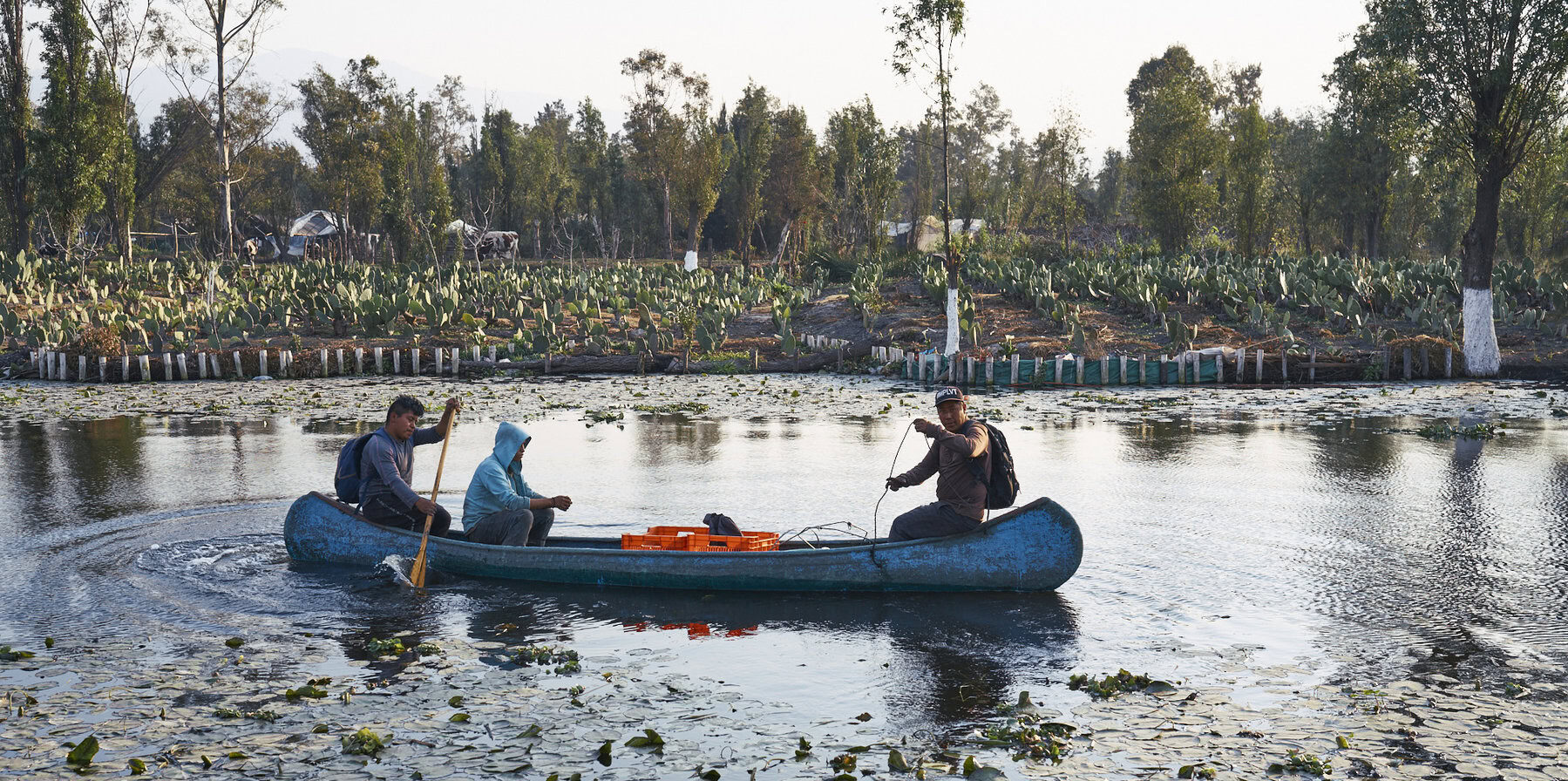
This in-depth report profiles modern chinampa farming in Mexico City, recognized as a UNESCO World Heritage site and one of the world's most productive systems. Built by dredging lake-bottom soil onto reed-grass bases and encircling with ahuejote willow fences, chinampas rise above water, with canals supplying nutrients and irrigation via capillary action—eliminating active watering needs. Aztec engineers integrated these into Tenochtitlán's urban fabric, using waterways for transport, sanitation (night soil fertilization), and spiritual identity rather than drainage. Today, farmer Jose Paiz exemplifies viability: his 7,000 sqm plot yields 100kg daily broccoli plus herbs, spinach, chard, radishes, corn, and kale for local markets. Multiple harvests yearly stem from sediment enrichment, supporting densities far exceeding conventional fields. Practical construction steps: stake rectangular plots in shallows, layer mud-vegetation lasagna-style, plant living fences for erosion control. Benefits include water retention drawing from groundwater, biodiversity via companion planting, and climate moderation. Restoration initiatives combat contamination, reviving chinamperos' oral knowledge for self-sufficiency. Actionable lessons for regenerative practitioners: replicate in ponds/wetlands using willows for borders, dredge channels seasonally for fertility, diversify with aquaponics. The piece provides specifics on yields (e.g., broccoli metrics), tools (traditional canoes for mud transport), and scalability for urban resilience, emphasizing indigenous intelligence in addressing water scarcity and food security amid climate change.
Source: reasonstobecheerful.world
Related Analysis
- Baltimore Researchers Reject Yield as Urban Farm Success Metric — Several sources suggest urban agriculture is being recast from food supplement to food sovereignty tool, with peer-revie…
- Urban Food Forest Tours Signal Shift From Passive Gardens — Several initiatives indicate urban food forests are evolving into hands-on design and education hubs — distinct from con…
Related on PermaNews
- Borneo's Rainforest Revival: Dr. Smits' Sugar Palm Village Hub (Case Study)
- Holmgren's 40 Yrs: Abundant Permaculture Design Webinar 3 (Video)
- Autarke Solarstromversorgung im Haus: Praxisnahes Konzept mit Photovoltaik, Speicher und Inselbetrieb (How-To Guide)
- Hands-on Permaculture - Extended Weekend Training (Event)
- Early Summer Lunch and Learn Series: Farmer-to-Farmer Skill Share (Event)
- Early Summer Lunch and Learn Series: Farmer-to-Farmer Skill Share (Event)
Explore more in Food Systems & Growing — the full hub for this knowledge area.