Designing Regenerative Ag: Key Elements for Project Success
PermaNews Brief
Key Takeaways
Design regenerative agriculture projects by assessing current systems, developing tailored scenarios, and involving local stakeholders for successful, scalable implementation.
- Assess current farm sustainability and risks.
- Develop multiple scenarios using agroecological levers.
- Test for environmental, agronomic, socio-economic benefits.
- Involve local stakeholders to align with needs.
- Implement practical strategies with pilot phases.
Why It Matters
Implementing regenerative agriculture effectively requires a structured approach to integrate new practices into existing systems, minimizing risks and maximizing benefits across environmental, agricultural, and economic dimensions.
What to Do Next
Conduct an initial farm assessment to identify current practices, sustainability levels, and potential areas for regenerative interventions.
Recommended for: Farmers, land managers, and organizations seeking a structured, stakeholder-inclusive methodology for designing and implementing regenerative agriculture projects with measurable outcomes.
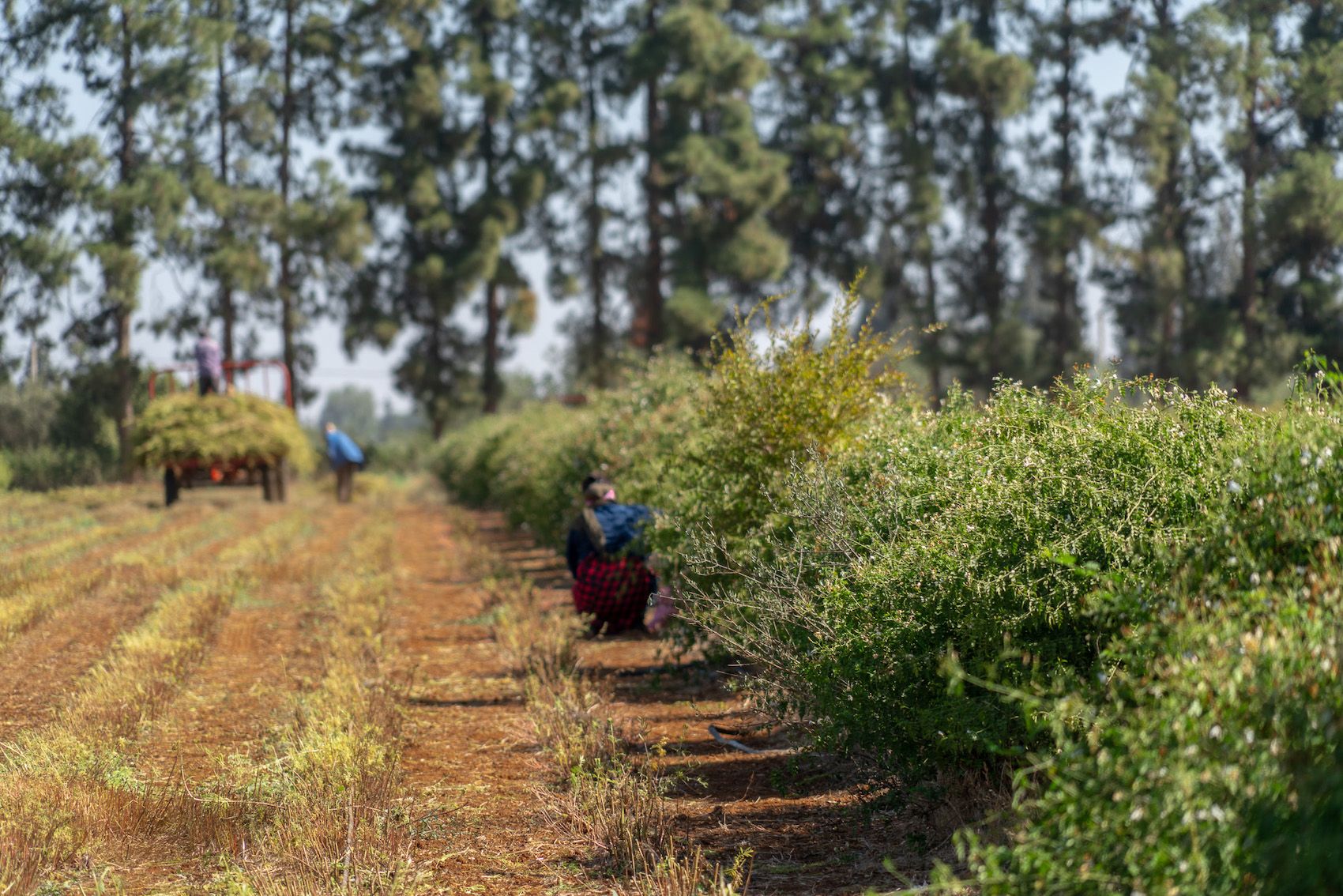
This article details a structured process for designing regenerative agriculture projects integrated into existing production systems. It begins with farm assessment to evaluate current sustainability, conservation levels, adaptation capacity, and risks from practice changes. Next, multiple scenarios are developed using agroecological levers like agroforestry within plots, tree and shrub borders, woodland islands, soil conservation, and biochar application, tested for environmental benefits (ecosystem resilience, climate adaptation), agronomic gains (higher yields, input reductions), and socio-economic advantages (income growth, product diversity). Local stakeholders are involved to align with needs. Practical strategies include pilot phases, such as the June 2023 agroforestry plantations test area, followed by 2024 soil conservation implementations. Reforest'Action provides customized recommendations optimizing value chains via living systems. The approach scales from plot to landscape, emphasizing optimization of natural dynamics with specific techniques like planting borders for biodiversity and biochar for soil enhancement. It offers concrete steps for practitioners and organizations to launch projects with measurable outcomes in resilience and profitability, distinguishing it through its phased, stakeholder-inclusive methodology beyond surface-level overviews.
Source: reforestaction.com
Related Analysis
- Food Forest Courses Shift From Theory to Build-Ready Skills — Several food forest courses now open with site assessment and guild-building rather than design theory, suggesting a dev…
- Practitioners Build Silvopasture Playbook Before Researchers Catch Up — A small but consistent set of signals from the Northeast U.S. shows farmers actively piloting silvopasture while formal …
Related on PermaNews
- Ernst Götsch's Cacao Syntropy: Master Agroforestry Now (How-To Guide)
- Borneo's Rainforest Revival: Dr. Smits' Sugar Palm Village Hub (Case Study)
- Nagaland's Jhum-Alder Agroforestry: Climate-Smart Farming (Article)
- Revolutionizing Agriculture: People, Nature, & a Fertile Earth (Article)
- Twin Oaks Dairy Silvopasture Walk (Event)
- Interaktive Karte: Erfolgreiche Agroforst- und Mischbetriebe in Europa (Event)
Explore more in Food Systems & Growing — the full hub for this knowledge area.