Living Traditions: The Deeper Meaning of "Take Care
By Living Traditions Homestead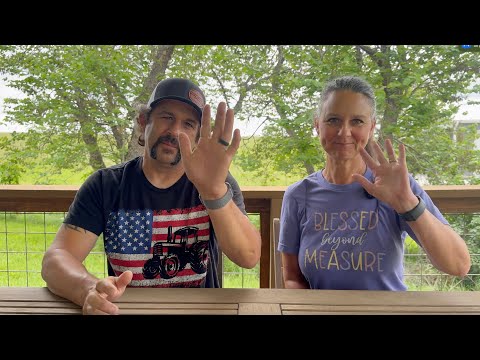
PermaNews Brief
Key Takeaways
Homesteading success hinges on proactive care for land, livestock, tools, and personal well-being, fostering long-term sustainability.
- Proactive care prevents problems.
- Nurture soil health and water resources.
- Prioritize animal welfare and husbandry.
- Maintain tools and infrastructure diligently.
- Balance homestead demands with self-care.
Why It Matters
Adopting a proactive approach to homesteading tasks and personal well-being ensures the long-term viability and productivity of your efforts.
What to Do Next
Watch the video for detailed insights into proactive homestead management.
Recommended for: Anyone interested in a self-sufficient lifestyle seeking a philosophical and practical framework for sustainable living.
The article from Living Traditions Homestead discusses the multifaceted concept of "taking care" within the context of a self-sufficient, homesteading lifestyle, extending beyond a simple farewell. It emphasizes that this phrase, often uttered casually, carries significant weight and practical implications for those striving for a more independent way of living.
The core message revolves around proactive responsibility and mindful engagement with one's environment and resources. "Taking care" in this context means being attentive to the details of daily life on a homestead, from the health of the garden and livestock to the maintenance of tools and infrastructure. It's about anticipating needs and addressing potential problems before they escalate, rather than reacting to crises. This proactive approach is crucial for the long-term viability and sustainability of a homestead.
The article highlights several key areas where this principle applies. Firstly, it touches upon the importance of caring for the land itself. This involves understanding soil health, implementing sustainable gardening practices like composting and crop rotation, and managing water resources efficiently. It's about nurturing the ecosystem that supports the homestead, recognizing that a healthy environment is fundamental to a productive one.
Secondly, the discussion extends to the care of animals. For homesteaders, livestock often represents a vital source of food, fiber, or labor. "Taking care" of animals means providing proper nutrition, shelter, and veterinary attention, as well as observing their behavior for any signs of illness or distress. It implies a deep understanding of animal husbandry and a commitment to their well-being, acknowledging their role in the homestead's ecosystem.
Beyond the physical aspects, the article subtly implies the importance of self-care for the homesteader. The demanding nature of this lifestyle can lead to burnout if personal well-being is neglected. While not explicitly stated, the underlying message suggests that one cannot effectively "take care" of a homestead without also taking care of oneself, both physically and mentally. This could involve setting realistic goals, taking breaks, and finding joy in the daily tasks.
Furthermore, the concept of "taking care" encompasses preparedness. This means having contingency plans for unexpected events, such as harsh weather, equipment breakdowns, or illness. It involves stocking essential supplies, learning practical skills, and building resilience into the homestead system. This foresight is a critical component of self-sufficiency, ensuring that the homestead can weather various challenges.
The article also touches upon the idea of community and mutual support, though indirectly. While homesteading often emphasizes independence, true resilience often comes from a network of individuals who can assist each other. "Taking care" can extend to looking out for neighbors and sharing knowledge and resources, fostering a stronger, more robust community.
In essence, the article redefines "taking care" from a passive farewell to an active, ongoing commitment to stewardship, preparedness, and mindful living. It underscores that a successful homestead is not merely a collection of resources but a living system that requires constant attention, dedication, and a deep understanding of interconnectedness. The phrase "God Bless," when paired with "Take Care," adds a layer of spiritual or philosophical depth, suggesting a recognition of the blessings and challenges inherent in striving for a life lived in harmony with nature and one's own values.
Source: youtube.com
Related Analysis
- Does Growing Your Own Food Actually Save Money? The Real Numbers — Most home gardens save money by year two — but only if the right crops are planted. Herbs and salad greens deliver 5–10x…
Related on PermaNews
- Autarke Solar-Wind-Systeme: LiFePO4 Batterie-Management-Guide (How-To Guide)
- Holmgren's RetroSuburbia: Permaculture for Resilient Living (Article)
- Transform 6 Weeks of Rhubarb into 25 Years of Preservation (Video)
- Transform 6 Weeks of Rhubarb for 25 Years of Preservation (Video)
- May 2026 Garden Tour: 99% of Our Fresh Food Grown in Containers (Video)
- The Ultimate Chicken Tractor for Complete Self-Sufficiency (Free Plans) (Video)
Explore more in Skills, Preparedness & Self-Reliance — the full hub for this knowledge area.