Impact of rewilding on ecosystem resilience
By Rewilding Academy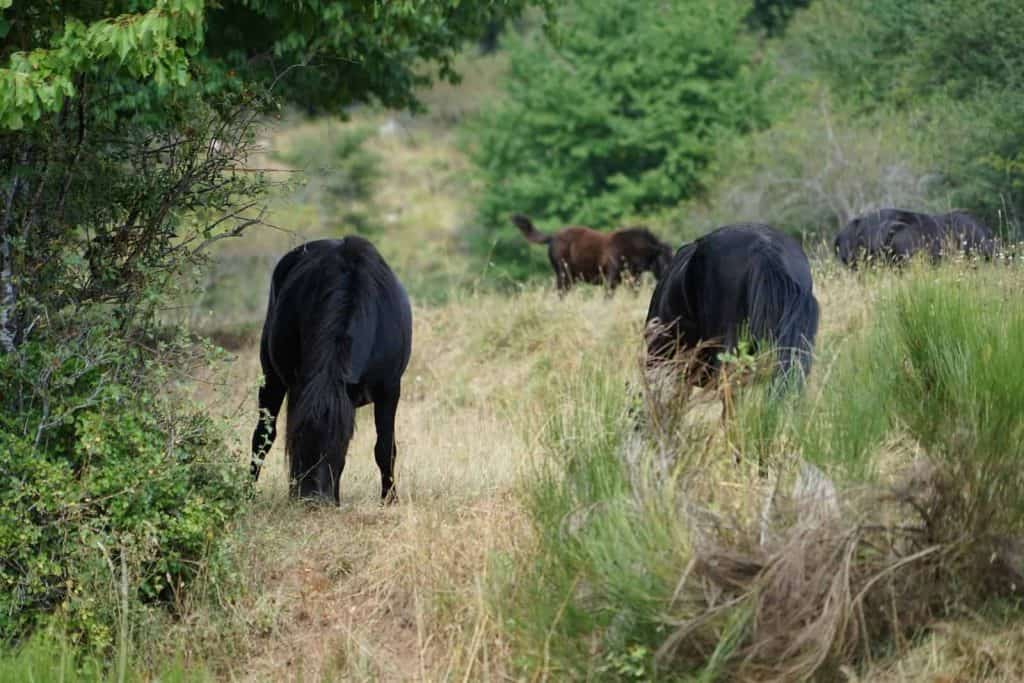
PermaNews Brief
Key Takeaways
Rewilding strategies can enhance ecosystem resilience and tackle climate change.
- Trophic rewilding restores ecosystem interactions.
- Rewilding can reduce greenhouse gas emissions.
- Beavers enhance biodiversity naturally.
- Large herbivores help control wildfires.
- Rewilding scale measures ecosystem 'naturalness'.
Why It Matters
Implementing rewilding practices supports biodiversity and climate mitigation, fostering healthier ecosystems.
What to Do Next
Research local rewilding initiatives and consider getting involved.
Permaculture Context
For permaculture designers and regenerative land stewards, this research quietly validates something many already practice intuitively: that designing *with* ecological function rather than against it produces more durable, lower-maintenance systems. The concept of a measurable "rewilding scale" is particularly significant — it gives practitioners a framework to articulate progress to landowners, funders, and skeptical neighbours without defaulting to rigid end-state targets, which rarely survive contact with real landscapes. The methane finding deserves specific attention: if your land management goals include transitioning from cattle to mixed native herbivore grazing, you now have peer-reviewed backing for that conversation with local agricultural boards. More practically, the beaver research reinforces the case for water retention as a foundational design priority — passive hydrology modifications that stack functions across fire mitigation, biodiversity, and microclimate regulation simultaneously. The broader takeaway is strategic: rewilding isn't a separate discipline from permaculture, it's the ecological infrastructure that makes permaculture more productive and self-sustaining. Integrating even modest rewilding elements into your design — keystone species, native browse corridors, predator-friendly margins — compounds resilience in ways no amount of human management alone can replicate.
Recommended for: Ecologists, conservationists, and land managers interested in rewilding.
This practitioner-oriented synthesis from the Rewilding Academy examines the potential of trophic rewilding to mitigate global climate change issues. Trophic rewilding is defined as the introduction of species to re-establish lost trophic interactions and cascades, promoting self-regulating, biodiverse ecosystems. The article highlights that the global decline of large herbivores and carnivores has led to the loss of these critical functions. It details specific initiatives, such as the expansion of Eurasian beavers in Europe, which use innate restoration traits to improve biodiversity, and the reintroduction of large herbivores. A key finding is that megafauna can mitigate climate change by replacing ruminant livestock with non-ruminant wildlife, significantly reducing methane emissions due to historical grazers' digestive physiology. Furthermore, larger grazers reduce wildfire risks by consuming grasses and understory vegetation. The article also introduces a 'rewilding scale' developed to assess the increase in the 'naturalness' of an ecosystem, providing a tool to support and evaluate restoration projects rather than relying on fixed target scales.
Source: rewilding.academy
Related Analysis
- California Homesteaders Retrofit Greywater Before Drought Season — Several sources suggest CA homesteaders are retrofitting greywater systems ahead of drought season, prioritizing water r…
- Earthworks Retrofits Outperform Tech in Farm Drought-Proofing — Several regenerative farm case studies show earthworks and cascading storage systems achieving 2–3x water retention gain…
Explore more in Water, Climate & Adaptation — the full hub for this knowledge area.