Permaculture in Iran: Geoff Lawton's Arid Land Lessons
By Discover Permaculture with Geoff Lawton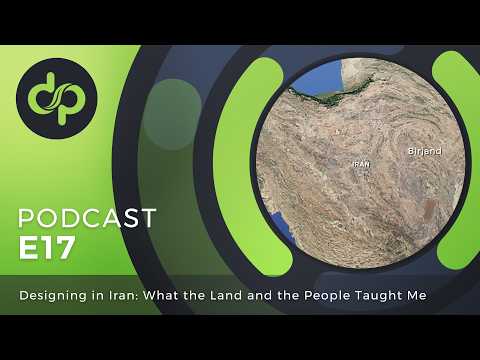
TL;DR: Geoff Lawton’s Iranian permaculture projects highlight adapting principles to arid lands, integrating water management with local practices, and respecting cultural heritage for ecological restoration.
- Arid permaculture adapts to extreme temperatures and limited water.
- Water harvesting uses qanats, swales, and keyline plowing.
- Cultural heritage supports permaculture adoption.
- Community engagement is crucial for project success.
- Degraded landscapes can be rehabilitated through permaculture.
Why it matters: Understanding permaculture implementation in diverse and challenging environments offers valuable lessons for ecological restoration and sustainable living globally.
Do this next: Explore local water harvesting techniques used in traditional agriculture within your region.
Recommended for: Permaculturists, farmers, and environmentalists interested in arid land restoration and cultural integration.
Geoff Lawton shared insights from his experiences designing permaculture systems in Iran, highlighting the unique challenges and opportunities presented by the country's diverse landscapes and cultural context. His work there involved adapting permaculture principles to arid and semi-arid environments, often characterized by extreme temperatures and limited water resources.
One significant aspect of his Iranian projects was the emphasis on water harvesting and management. Traditional Iranian agricultural practices, such as qanats (underground aqueducts), provided valuable historical precedents for efficient water use. Lawton's designs often incorporated modern earthworks like swales and keyline plowing to capture and distribute rainfall effectively, recharging groundwater and supporting vegetation growth in areas that would otherwise be barren. He noted the importance of understanding the local hydrology and topography to implement these techniques successfully.
The social and cultural dimensions of permaculture in Iran were also a key learning point. Lawton observed a strong connection to the land and a deep-rooted agricultural heritage among the Iranian people. This cultural foundation facilitated the adoption of permaculture concepts, as many principles resonated with existing traditional knowledge. However, there was also a need to introduce new methodologies and technologies, particularly in areas of ecological restoration and sustainable food production. Engaging with local communities, understanding their needs, and respecting their customs were crucial for the successful implementation and long-term viability of the projects.
Lawton's work in Iran often involved rehabilitating degraded landscapes. This included addressing issues like desertification, soil erosion, and salinity. By applying permaculture design principles, such as establishing diverse plant communities, creating microclimates, and improving soil health through organic matter addition, significant progress was made in restoring ecological function. He emphasized the importance of starting with small, manageable interventions and gradually expanding the scope as the land began to heal and demonstrate resilience.
The economic viability of permaculture systems was another practical consideration. Lawton explored how permaculture designs could not only provide food and resources but also create sustainable livelihoods for local populations. This involved integrating various productive elements, such as agroforestry, animal husbandry, and diverse cropping systems, to generate multiple income streams. The aim was to build resilient local economies that were less dependent on external inputs and more self-sufficient.
Furthermore, Lawton highlighted the educational aspect of his work in Iran. He engaged in training local farmers, students, and community members in permaculture design and implementation. This capacity building was essential for ensuring that the knowledge and skills would be sustained and spread beyond his direct involvement. The process involved hands-on learning and practical demonstrations, allowing participants to see the tangible benefits of permaculture firsthand.
In summary, Lawton's experiences in Iran underscored the adaptability of permaculture principles to diverse and challenging environments. His work demonstrated the potential for ecological restoration, sustainable water management, and community empowerment through thoughtful design. The lessons learned from the land and the people of Iran provided valuable insights into the universal applicability of permaculture, while also emphasizing the critical importance of cultural sensitivity and local adaptation in any permaculture endeavor.