Urban Oasis: Community Gardens & Sustainable Agriculture
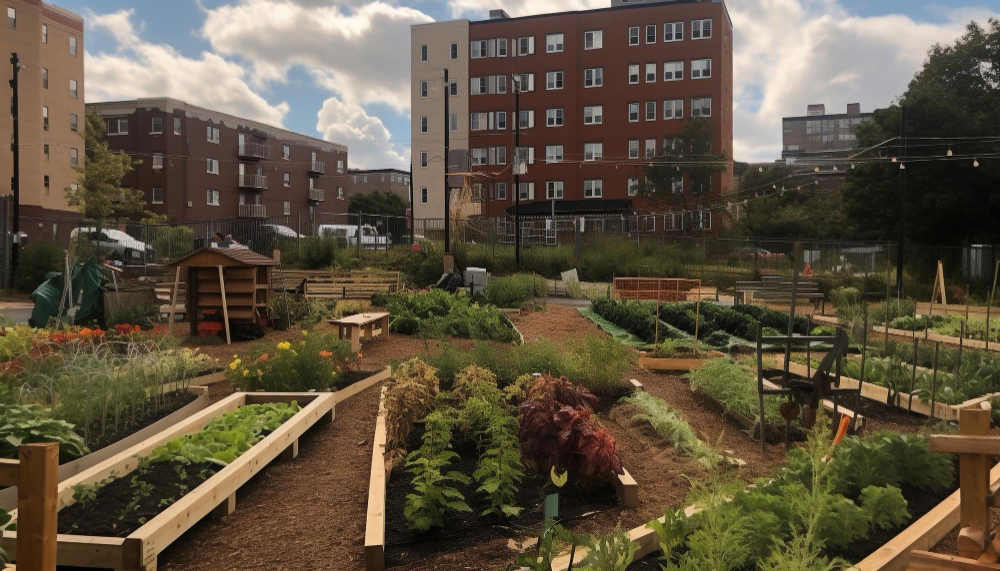
TL;DR: Community gardens transform urban spaces into productive, sustainable hubs for food production, social connection, and environmental improvement through collective effort and smart resource use.
- Establish community gardens for urban food production.
- Foster social connections through shared gardening.
- Improve urban ecology and biodiversity.
- Secure local support for resources and permits.
- Implement composting for natural fertilizer.
- Divide roles for efficient garden management.
Why it matters: Community gardens offer practical solutions for increasing food security, enhancing public health, and strengthening social bonds in urban environments, contributing to more resilient cities.
Do this next: Organize an informational meeting in your neighborhood to gauge interest and discuss potential locations for a community garden.
Recommended for: Ideal for urban residents, community organizers, and local authorities looking to initiate or support sustainable urban agriculture projects.
Community gardens represent a practical model of sustainable urban agriculture, enabling city residents to collectively grow plants, vegetables, and fruits while enhancing urban aesthetics, fostering social connections, improving public health, and promoting ecological practices. The article provides actionable guidance on establishing and maintaining these gardens, starting with community involvement through informational meetings where residents learn about the initiative, voice opinions, and collectively decide on the garden's form. Key to success is clearly dividing roles and responsibilities among participants, assigning specific tasks such as planting, watering, weeding, or organizing events to ensure accountability and smooth operations. It recommends seeking support from local authorities or NGOs for essential resources like permits, funding for tools, seeds, and materials, which can overcome logistical barriers in urban settings. Benefits extend beyond food production: gardens strengthen social ties by creating meeting places that integrate diverse groups including the elderly, disabled, and immigrants, building a sense of community and reducing isolation. Ecologically, they increase urban greenery, improving air quality, mitigating the urban heat island effect, and boosting biodiversity. Practical techniques like composting organic waste are highlighted, turning household scraps into natural fertilizer while reducing litter and landfill contributions. The piece emphasizes gardens' role in resilience and self-sufficiency, offering hands-on ways for urban dwellers to reconnect with food production amid climate challenges. Real-world applicability is evident in the step-by-step setup process, which empowers communities to transform vacant lots into productive, regenerative spaces aligned with permaculture principles of local resource cycling and minimal inputs. Maintenance tips ensure longevity, such as regular volunteer rotations and event planning to sustain engagement. Overall, this resource equips practitioners with concrete strategies to launch community gardens that deliver nutritional yields, environmental restoration, and social cohesion, making it highly relevant for regenerative living initiatives.