Weed Control: Master Your Garden's Unwanted Guests
By Urban Farmer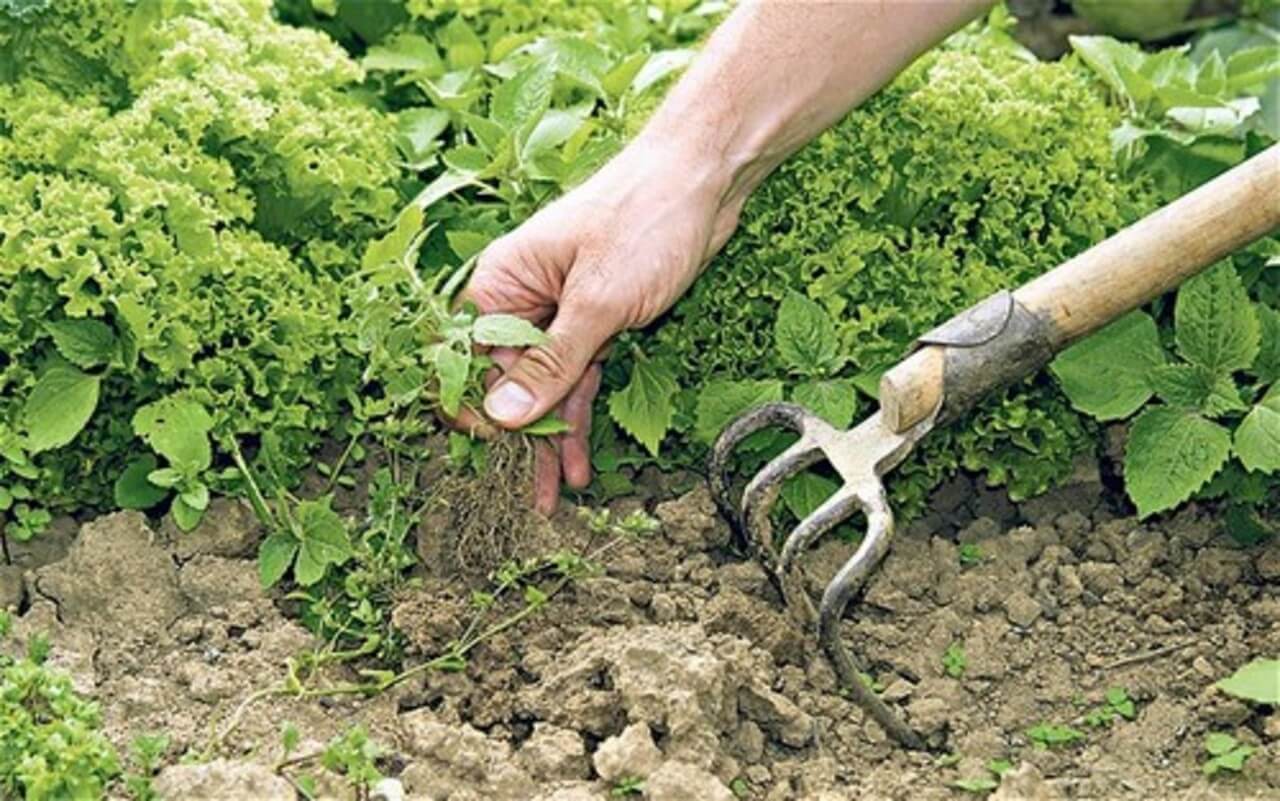
TL;DR: Weeds are a universal gardening challenge, but understanding their propagation and employing strategic management techniques can lead to a healthier, more productive garden.
- Weeds spread via various natural and human-aided methods.
- Prevention is key: use clean seeds, soil, and tools.
- Manual weeding is effective for small areas, especially in moist soil.
- Mulching blocks sunlight and suppresses weed growth.
- Healthy soil and proper watering benefit desired plants over weeds.
Why it matters: Effective weed management reduces competition for resources, promotes stronger plant growth, and ultimately increases garden yields and aesthetics without resorting to harmful chemicals.
Do this next: Inspect all new plants, soil, and tools for weed seeds or hitchhiking weeds before introducing them to your garden.
Recommended for: Home gardeners, community garden plot holders, and small-scale growers looking for effective and sustainable weed management strategies.
Weeds are a common challenge for gardeners, often appearing uninvited and competing with cultivated plants for resources. Understanding how weeds establish themselves and effective strategies for their management are crucial for maintaining a healthy and productive garden.
Weeds typically arrive in a garden as seeds, which can be transported through various means, including wind, water, animal droppings, contaminated soil, or even on gardening tools and clothing. Once present, these seeds lie dormant until environmental conditions are favorable for germination. This often includes adequate moisture, appropriate soil temperature, and sufficient light. Unfortunately, the very conditions that make a garden hospitable for desired plants also tend to create an ideal environment for weed growth.
One of the most fundamental approaches to weed control is prevention. This involves minimizing the introduction of weed seeds into the garden in the first place. Using certified weed-free seeds and transplants is a good starting point. When bringing in new soil or compost, it's advisable to ensure it's free of weed seeds. Cleaning gardening tools after use, especially when moving between different garden areas or properties, can also prevent the spread of seeds.
Once weeds have emerged, various methods can be employed for their removal. Manual weeding, while labor-intensive, is highly effective, especially for smaller gardens or isolated weed patches. It involves physically pulling weeds from the soil, ensuring that as much of the root system as possible is removed to prevent regrowth. This is most easily done when the soil is moist, as weeds come out more readily.
Mulching is another highly effective weed suppression technique. Applying a layer of organic material, such as wood chips, straw, or shredded leaves, or inorganic materials like landscape fabric, over the soil surface can significantly reduce weed growth. Mulch blocks sunlight from reaching weed seeds, inhibiting their germination. It also helps to retain soil moisture and regulate soil temperature, benefiting cultivated plants. For organic mulches, an added benefit is the gradual decomposition, which enriches the soil over time.
For larger areas or persistent weed problems, more targeted approaches might be necessary. Some gardeners opt for horticultural vinegar, a stronger acetic acid solution than household vinegar, which can effectively burn back young weeds. However, caution is advised as it is non-selective and can harm desired plants if not applied carefully. Similarly, flame weeding, which uses a controlled flame to scorch and kill weeds, can be effective for certain types of weeds in specific areas, but it requires careful handling to prevent fires and damage to cultivated plants.
Cover cropping is a permaculture-aligned strategy that involves planting specific crops, often legumes or grains, during periods when the main garden beds would otherwise be bare. These cover crops suppress weed growth by outcompeting them for resources and light. When the cover crop is no longer needed, it can be tilled into the soil, adding organic matter and nutrients.
Ultimately, effective weed management is an ongoing process that often involves a combination of these strategies. A proactive approach, focusing on prevention and early intervention, is generally more successful and less labor-intensive than trying to control established weed populations. By understanding weed biology and employing a variety of control methods, gardeners can maintain a thriving garden environment with minimal weed interference.