Safe & Eco-Friendly Wasp Nest Removal Methods
By Living Web Farms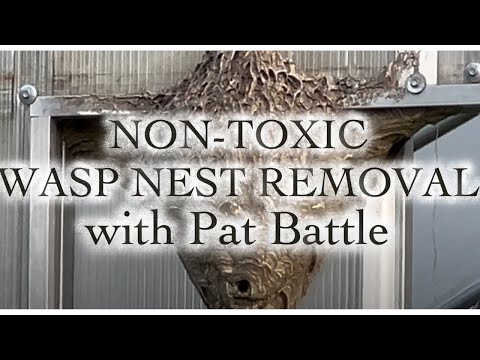
TL;DR: Safely managing wasp nests involves understanding their behavior and applying non-toxic removal methods, prioritizing ecological balance.
- Identify wasp type and nest location before removal.
- Solitary wasps are less aggressive and easier to relocate.
- Social wasps like yellow jackets require cautious handling.
- Soap and water mixture can suffocate wasps.
- Apply treatments at dusk or dawn for best results.
Why it matters: Understanding wasp behavior and non-toxic removal methods helps protect both humans and the ecosystem, minimizing harm while managing potential threats.
Do this next: Learn to identify common wasp species in your area to better understand their behavior and nesting habits.
Recommended for: Homeowners, gardeners, and permaculture enthusiasts seeking eco-friendly pest management solutions.
Wasps, while sometimes perceived as pests, play a beneficial role in the ecosystem by pollinating plants and controlling other insect populations. However, their nests can pose a threat to humans, particularly for individuals with allergies. When considering wasp nest removal, it's important to understand the different types of wasps and their behaviors to choose the most appropriate and safest method.
There are two primary categories of wasps: solitary and social. Solitary wasps, such as mud daubers and cicada killers, are generally less aggressive. They build small, individual nests and are not typically a threat unless directly provoked. Social wasps, including yellow jackets, hornets, and paper wasps, live in colonies and are more defensive of their nests. These are the wasps that are more likely to sting and require careful handling.
Before attempting any removal, it's crucial to identify the type of wasp and the location of the nest. Paper wasps often build umbrella-shaped nests under eaves or in sheltered areas. Yellow jackets frequently nest underground in abandoned rodent burrows or in wall voids. Hornets, particularly bald-faced hornets, construct large, football-shaped nests in trees or shrubs.
For solitary wasps, removal is often straightforward. If the nest is small and accessible, it can sometimes be carefully removed and relocated. However, for social wasps, a more cautious approach is necessary.
One non-toxic method involves using a mixture of soap and water. The soap breaks down the wasp's exoskeleton, leading to suffocation. This method is most effective when applied directly to the nest, preferably at dusk or dawn when wasps are less active and most are inside the nest. A spray bottle or a garden sprayer can be used to thoroughly drench the nest. It's important to wear protective clothing, including long sleeves, pants, gloves, and a hat, to minimize the risk of stings.
Another approach involves creating a deterrent. Wasps are generally repelled by strong scents like peppermint oil, citronella, or eucalyptus. Placing cotton balls soaked in these essential oils near potential nesting sites can discourage them from building nests. Similarly, planting certain herbs like mint or lemongrass around your property might help deter wasps.
Physical removal can be an option for smaller, accessible nests, but it carries a higher risk. This method typically involves bagging the nest quickly and sealing it, then disposing of it far from the property. This should only be attempted with extreme caution and appropriate protective gear.
For nests located in difficult-to-reach areas, such as inside walls or high in trees, professional pest control services are recommended. Professionals have the necessary equipment and expertise to safely remove nests without causing harm to residents or the structure of the building. They can also identify the species of wasp and recommend long-term prevention strategies.
After a nest has been removed, it's important to take steps to prevent future infestations. Sealing cracks and crevices in your home's exterior, repairing torn window screens, and ensuring trash cans are tightly sealed can help reduce attractants and entry points for wasps. Regularly inspecting your property for early signs of nest building can also help in addressing the issue before it becomes a larger problem.
Ultimately, the decision to remove a wasp nest should be weighed against the potential risks and benefits. If the nest is in a high-traffic area or poses a direct threat, removal is often warranted. However, if the nest is in an isolated location and the wasps are not aggressive, coexisting with them might be a viable option, recognizing their ecological contributions.