Miyawaki Method: Urban Biodiversity Thriving Amidst Extremes
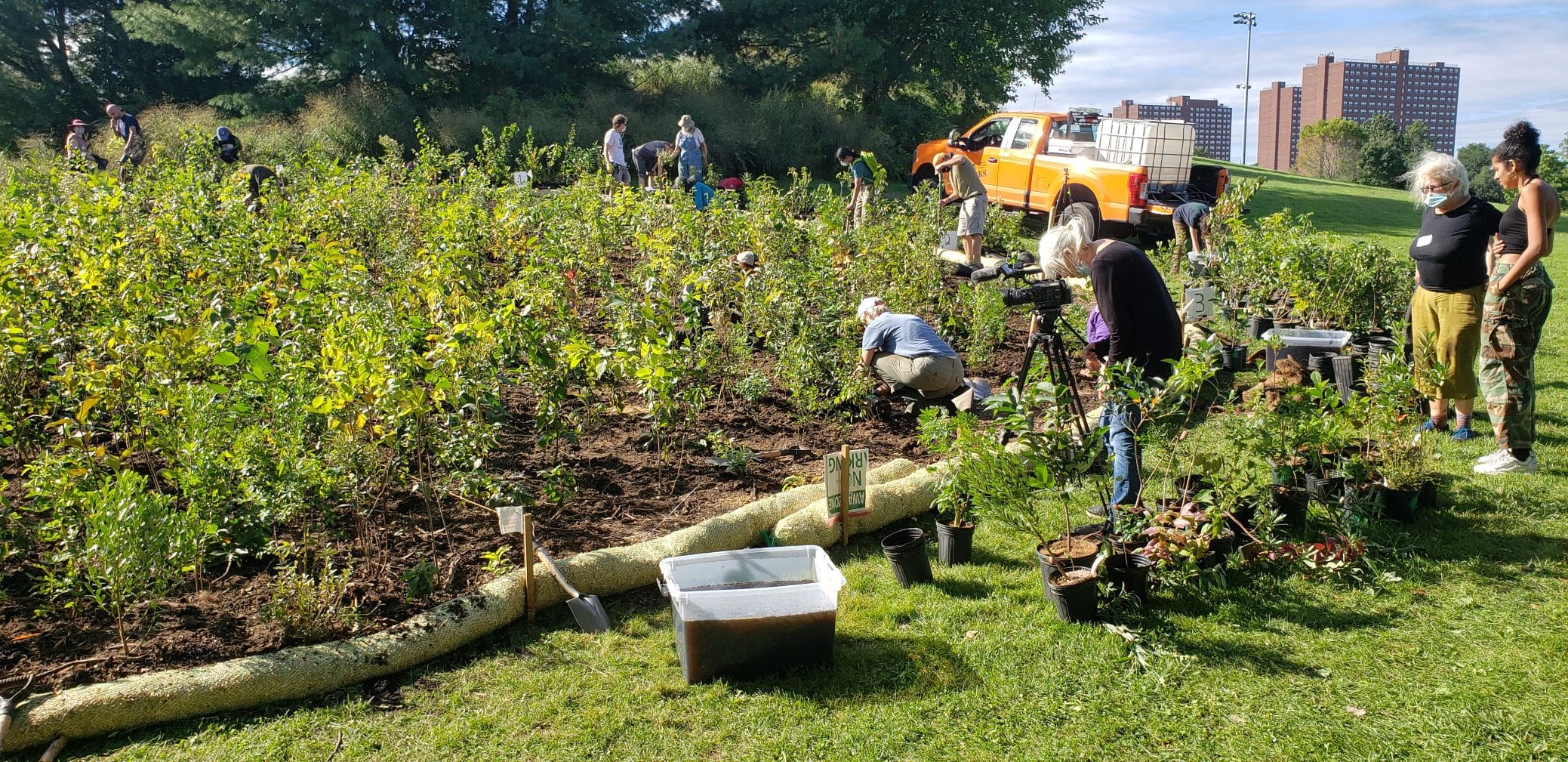
TL;DR: Miyawaki forests offer a rapid, effective method to create dense, biodiverse native woodlands even in compact urban spaces.
- Tiny forests mimic natural ecosystems.
- Rapid growth reestablishes biodiversity quickly.
- Resilient to extreme weather events.
- Transforms degraded sites into green spaces.
- Supports local flora and fauna.
Why it matters: These mini-forests provide a powerful tool for ecological restoration and urban greening, enhancing local biodiversity and climate resilience.
Do this next: Research local native tree and shrub species suitable for Miyawaki-style planting in your region.
Recommended for: Urban planners, community organizers, and individual landowners interested in rapid ecological restoration and biodiversity enhancement.
Miyawaki Forests are compact, biodiverse native ecosystems reestablishing full functions in small areas. A example thrived through storm, drought, and weeds on basketball-court-sized plot with 1,400 plants, thanks to enriched soil and density. Part of a global movement transforming urban and degraded sites like highways, lots, schoolyards into lush habitats.