Native Pollinators: Simple Home, Big Impact!
By EdibleAcres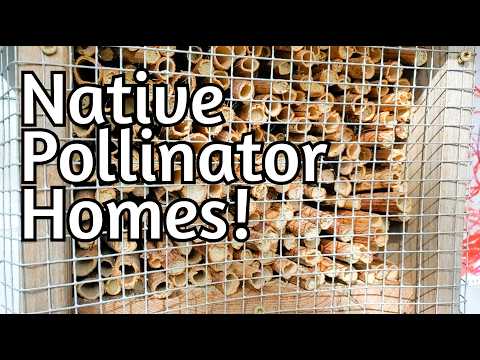
TL;DR: Supporting native pollinators is crucial for ecosystem health, and can be achieved by providing food, water, and shelter in your garden.
- Native pollinators are vital for healthy ecosystems.
- Provide diverse native plants for continuous food sources.
- Offer shallow water sources with landing spots.
- Create shelter suitable for various pollinator species.
- Avoid pesticides; embrace organic gardening practices.
Why it matters: Native pollinators are more efficient at pollinating local flora than introduced species, making their conservation essential for biodiversity and agricultural productivity.
Do this next: Watch the video to learn more about creating a native pollinator habitat.
Recommended for: Anyone interested in easily contributing to local ecosystem health and biodiversity through gardening practices.
Native pollinators, such as various species of bees and other insects, play a crucial role in maintaining healthy ecosystems and supporting agricultural productivity. Unlike the more commonly known European honeybee, which is an introduced species, native pollinators have evolved alongside local flora and are often more efficient at pollinating native plants. Understanding their needs and providing suitable habitats can significantly contribute to their conservation and the overall health of the environment.
One of the most straightforward ways to support native pollinators is by creating a welcoming environment in your own garden or property. This involves providing three essential elements: food, water, and shelter. For food, a diverse array of native flowering plants is paramount. Different pollinator species have varying preferences for flower shapes, colors, and bloom times. By planting a succession of native flowers that bloom throughout the growing season, from early spring to late autumn, you ensure a continuous food source. This includes trees, shrubs, and herbaceous plants. Avoiding pesticides and herbicides is also critical, as these chemicals can be highly detrimental to pollinator populations, directly poisoning them or contaminating their food sources. Opting for organic gardening practices is a significant step in creating a safe haven for these beneficial insects.
Water sources are often overlooked but are equally important. Pollinators need water for hydration, especially during hot periods. Shallow dishes filled with pebbles or marbles, allowing insects to drink without drowning, can be effective. Bird baths can also be adapted by adding stones to create landing spots. Even a damp patch of soil can provide a valuable water source for some species.
Shelter is another vital component for native pollinators. This can take many forms, depending on the specific species you wish to attract. Many native bees are solitary, meaning they do not live in large colonies like honeybees. Some, like mason bees and leafcutter bees, are cavity nesters, utilizing hollow stems, old wood, or pre-drilled blocks of wood. Others, such as ground-nesting bees, prefer bare patches of soil, often in sunny, well-drained locations. Leaving areas of your garden undisturbed, with leaf litter, dead wood, and unmulched soil, can provide essential nesting and overwintering sites. Creating "bee hotels" with bundles of hollow stems or drilled wood blocks can also be a fun and effective way to provide artificial nesting sites for cavity-nesting bees.
Beyond these basic provisions, understanding the specific needs of local native pollinator species can further enhance conservation efforts. Researching the native bees and other pollinators in your region can help you select the most appropriate plants and habitat features. For instance, some bees are specialists, relying on pollen from only a few specific plant species. By including these host plants, you can support these specialized pollinators.
The decline of native pollinator populations is a serious concern, driven by habitat loss, pesticide use, climate change, and disease. By taking simple, actionable steps in our own backyards, we can contribute significantly to reversing this trend. Creating a pollinator-friendly landscape not only benefits these crucial insects but also enhances the beauty and biodiversity of our surroundings, fostering a more resilient and thriving ecosystem. It's a testament to how small, localized efforts can collectively make a substantial positive impact on a broader ecological scale.