Greenhouse Stone Floor Install: Part 2 Transformation
By Manuel Angerer - Temperate Climate Permaculture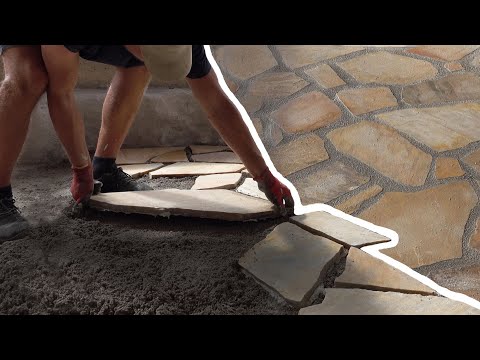
TL;DR: Installing a stone floor in a greenhouse involves careful sub-base preparation, proper drainage, and meticulous stone placement for a durable and functional surface.
- Prepare a level sub-base for stability and drainage.
- Lay compacted gravel to aid drainage and prevent weeds.
- Spread sand as a bedding layer for stone adjustments.
- Select durable stones for aesthetics and heat retention.
- Systematically place stones for a tight and level fit.
Why it matters: A well-constructed greenhouse floor improves durability, drainage, and can enhance temperature regulation, directly impacting plant health and growth.
Do this next: Review your greenhouse’s current flooring or consider these steps if planning a new installation.
Recommended for: Greenhouse owners looking for a lasting, functional, and aesthetically pleasing flooring solution.
This article details the process of installing a stone floor in a greenhouse, focusing on the practical steps and considerations involved in creating a durable and functional surface. The project began with the preparation of the sub-base, which involved leveling the ground and ensuring proper drainage. This initial phase is crucial for the long-term stability of the floor and to prevent issues such as water accumulation or uneven settling.
Following the ground preparation, a layer of gravel was laid down. This gravel layer serves multiple purposes: it further aids in drainage, provides a stable foundation for the subsequent layers, and helps to prevent weed growth from underneath the floor. The article emphasizes the importance of compacting this gravel layer thoroughly to create a firm and even base. Various tools can be used for compaction, from hand tampers for smaller areas to plate compactors for larger spaces.
Next, a layer of sand was spread over the compacted gravel. The sand layer acts as a bedding material for the stones, allowing for minor adjustments and ensuring a level surface for the final flooring. It also helps to distribute weight evenly and provides a cushioning effect, which can be beneficial for the longevity of the stone. The article suggests using a screed board or a straight edge to level the sand precisely, creating a perfectly flat surface for the stones to rest upon.
The selection of stones for the floor is another key aspect discussed. The author chose natural stones, likely for their aesthetic appeal, durability, and ability to absorb and radiate heat, which can be advantageous in a greenhouse environment. The process of laying the stones involved carefully placing each stone onto the prepared sand bed, ensuring a tight fit and a consistent level. The article highlights the importance of working systematically, often starting from one corner and working outwards, to maintain alignment and a uniform appearance.
Once the stones were laid, the gaps between them were filled with sand. This process, known as sweeping in or brushing in, helps to lock the stones in place, prevent shifting, and further stabilize the entire floor. The sand also contributes to the overall drainage system, allowing water to permeate through the floor rather than pooling on the surface. The article likely advises using a fine sand for this purpose and ensuring that it is thoroughly worked into all the crevices.
The final steps involved wetting the floor to settle the sand and, if necessary, adding more sand to any areas where it had settled or washed away. This ensures a fully compacted and stable floor. The article implicitly suggests that a well-installed stone floor in a greenhouse offers several benefits, including improved thermal mass for temperature regulation, a durable and easy-to-clean surface, and an aesthetically pleasing environment. The entire process, from sub-base preparation to final sanding, underscores the importance of meticulous planning and execution for a successful and long-lasting greenhouse floor.