Boost Soil Health: Natural Fertilizers for Optimal Growth
By Urban Farmer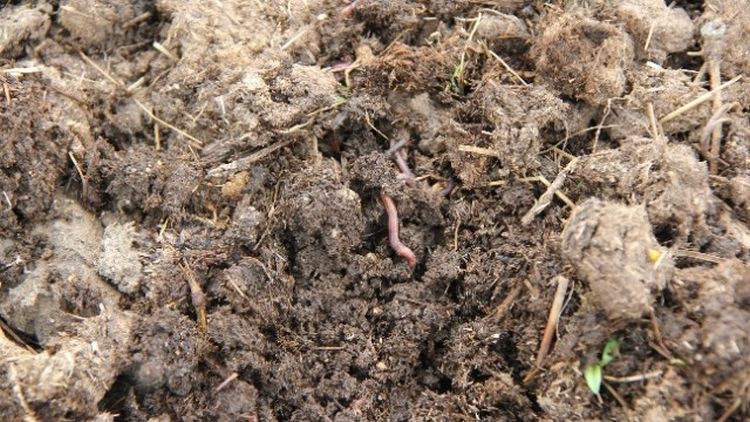
TL;DR: Boost soil health and plant growth naturally using compost, manure, and targeted organic amendments for sustainable gardening.
- Compost improves soil structure, water retention, and microbial activity.
- Aged manure provides slow-release nutrients and micronutrients.
- Kelp meal, bone meal, and blood meal target specific deficiencies.
- Green manures enhance soil fertility and nutrient cycling.
- Match natural fertilizers to your soil needs for best results.
Why it matters: Natural fertilizers enrich soil sustainably, reducing reliance on synthetic chemicals and fostering healthier ecosystems in your garden.
Do this next: Start a compost pile with kitchen scraps and yard waste to create your own nutrient-rich soil amendment.
Recommended for: Gardeners aiming for sustainable soil health and nutrient management using organic practices.
Maintaining healthy soil is fundamental for robust plant growth, and natural fertilizers offer a sustainable approach to nutrient replenishment. Unlike synthetic alternatives, natural fertilizers often improve soil structure and foster beneficial microbial activity over time. Understanding the specific needs of your soil and plants is the first step in selecting the appropriate natural amendments.
One common natural fertilizer is compost, which is created from decomposed organic matter. Compost enriches the soil with a wide array of nutrients, improves its water retention capabilities, and enhances aeration. It also introduces a diverse community of microorganisms that contribute to nutrient cycling and disease suppression. Regular application of compost can significantly boost overall soil health and fertility.
Manure, derived from animal waste, is another potent natural fertilizer. Different types of manure, such as cow, chicken, or horse manure, offer varying nutrient profiles. It's crucial to compost or age manure before applying it to plants to prevent nutrient burn and reduce the risk of introducing pathogens. Aged manure provides a slow-release source of nitrogen, phosphorus, and potassium, along with numerous micronutrients.
For specific nutrient deficiencies, targeted natural fertilizers can be employed. For instance, kelp meal, derived from dried seaweed, is an excellent source of potassium and trace minerals. It also contains growth hormones that can stimulate root development and improve plant resilience. Bone meal, made from ground animal bones, is rich in phosphorus and calcium, making it beneficial for flowering and fruiting plants. Blood meal, a byproduct of animal processing, provides a quick boost of nitrogen, which is essential for leafy green growth.
Green manures, which are cover crops grown specifically to be tilled back into the soil, are another effective natural fertilization strategy. Leguminous cover crops, such as clover or vetch, fix atmospheric nitrogen into the soil, increasing its nitrogen content. Other cover crops, like rye or oats, add organic matter and improve soil structure. This practice not only enriches the soil but also helps suppress weeds and prevent erosion.
Wood ash, from untreated wood, can be used as a source of potassium and calcium, but it should be applied sparingly as it can raise soil pH. Eggshells, when crushed and incorporated into the soil, provide calcium, which is important for preventing blossom end rot in certain vegetables. Coffee grounds can add nitrogen and improve soil acidity, which is beneficial for acid-loving plants.
When using natural fertilizers, it's important to conduct soil tests periodically to understand the existing nutrient levels and pH. This helps in applying the right amendments in appropriate quantities, avoiding over-fertilization or nutrient imbalances. Observing your plants for signs of nutrient deficiencies or excesses can also guide your fertilization practices. The goal is to create a balanced and thriving soil ecosystem that supports healthy plant growth naturally and sustainably.