Potting Soil Fertilizer: Myth or Method for Long-Term Growth?
PermaNews Brief
Key Takeaways
Pre-fertilized potting soil often lacks sufficient nutrients for a full growing season, especially for container plants, due to nutrient depletion and environmental factors.
- Compost-based soils offer sustained nutrient release through microbial activity.
- Synthetic slow-release fertilizers are affected by temperature and sunlight.
- Container plants lose nutrients faster due to limited volume and leaching.
- High temperatures accelerate synthetic fertilizer release; cool temperatures slow it.
- Frequent watering in containers increases nutrient leaching.
Why It Matters
Understanding the limitations of potting soil fertility is crucial for successful container gardening and plant nourishment throughout the growing cycle, preventing nutrient deficiencies and optimizing growth.
What to Do Next
Listen to the full podcast to learn more about managing container plant nutrition.
Recommended for: Gardeners who use potting soil and want to understand how to maintain plant health in containers.
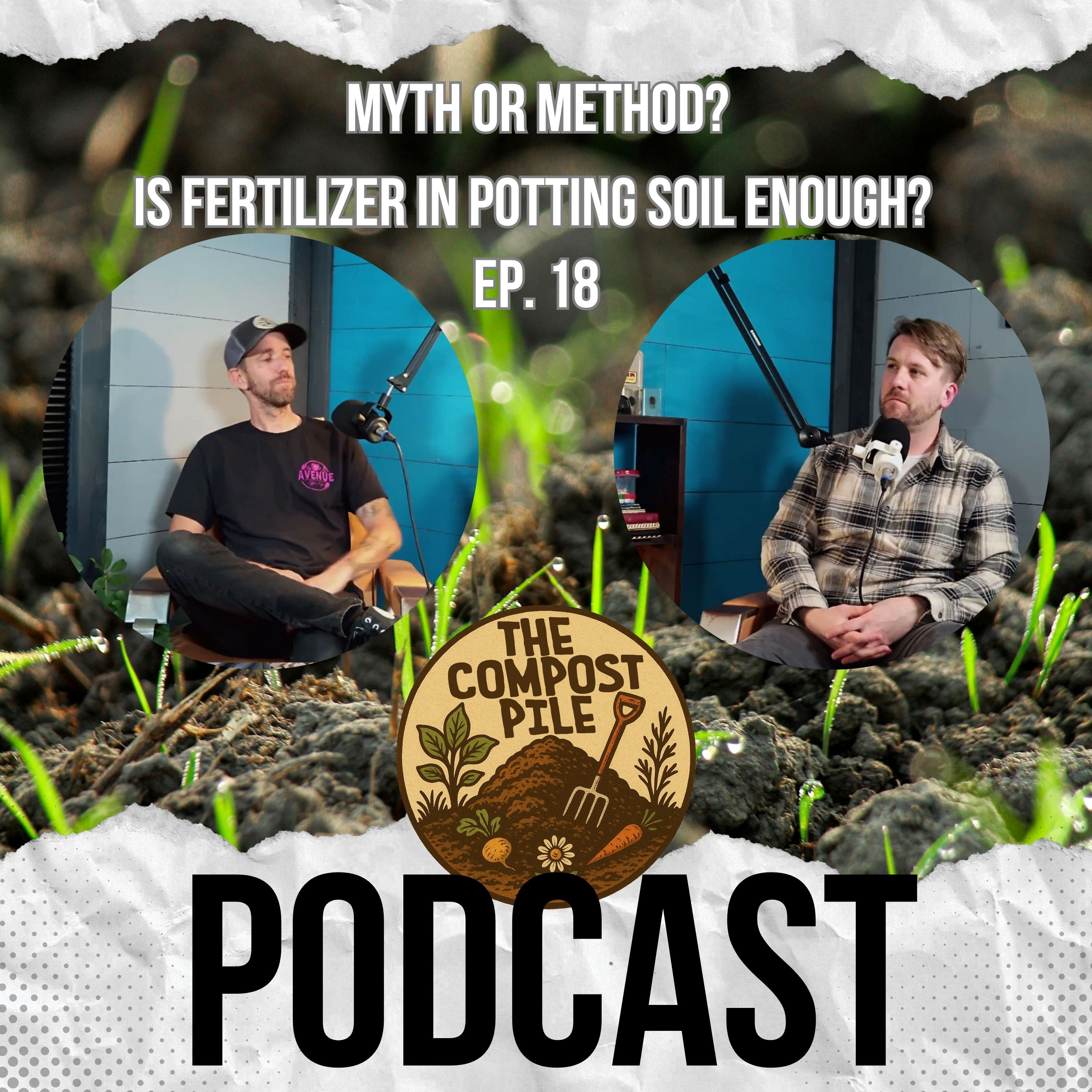
The discussion addresses a common misconception in gardening: the sufficiency of pre-fertilized potting soil for an entire growing season. It clarifies that while many potting mixes contain some form of nutrients, these are often not enough to sustain plants long-term, particularly for container gardening.
A key distinction is drawn between compost-based soils and those amended with synthetic, slow-release fertilizers. Compost-based mixes offer a more holistic and sustained nutrient release, as organic matter breaks down gradually and supports a thriving microbial community. This microbial activity is crucial for converting nutrients into forms accessible to plants and for improving overall soil structure and health over time. In contrast, synthetic slow-release fertilizers, such as those with a balanced NPK ratio like 14-14-14, are designed to release nutrients over a specific period. However, their effectiveness and longevity can be significantly influenced by environmental factors.
The article highlights that temperature and sunlight play a critical role in the breakdown and release rate of these synthetic fertilizers. Higher temperatures generally accelerate the release of nutrients, meaning that in warmer climates or during hot spells, the fertilizer may deplete faster than anticipated. Conversely, cooler temperatures can slow down the release, potentially leading to nutrient deficiencies if plants have high demands. Sunlight, particularly direct exposure, can also contribute to the degradation of some fertilizer coatings, further impacting their release profile.
A significant point of emphasis is the accelerated nutrient loss experienced by container plants compared to those grown in raised beds or directly in the ground. This is attributed to several factors. Container soils have a limited volume, meaning nutrients are quickly used up by plant roots. Furthermore, frequent watering, especially in containers, leads to a phenomenon known as leaching, where water drains through the pot, carrying dissolved nutrients with it. This constant flushing depletes the soil of essential elements much faster than in larger, more stable soil environments.
The discussion also delves into identifying nutrient deficiencies, specifically nitrogen deficiency, which is a common issue. Symptoms of nitrogen deficiency often include a general yellowing of older leaves, starting from the tips and progressing inwards, and stunted growth. This occurs because nitrogen is a mobile nutrient within the plant, and when supplies are low, the plant reallocates nitrogen from older leaves to support new growth.
Certain plants are identified as "heavy feeders," meaning they have a higher demand for nutrients to produce a good yield. Tomatoes, peppers, and cucumbers are cited as prime examples. These plants require a consistent supply of nutrients throughout their growth cycle, especially during flowering and fruiting stages. Relying solely on the initial fertilizer in potting mix for these plants is often insufficient, necessitating supplemental feeding.
The critical role of soil microbes in maintaining long-term plant health is underscored. These microscopic organisms are essential for decomposing organic matter, cycling nutrients, and forming symbiotic relationships with plant roots, which enhance nutrient uptake. A healthy microbial community contributes to a resilient soil ecosystem that can better support plant growth and resist diseases.
In conclusion, the information provided aims to equip gardeners with a more nuanced understanding of plant nutrition in potting mixes. It clarifies that while initial fertilization is a good start, it is rarely a complete solution for an entire growing season, especially for container plants and heavy feeders. Understanding the dynamics of fertilizer release, environmental impacts, and the importance of soil biology is crucial for developing effective long-term feeding strategies and ensuring plant vitality.
Source: rss.com
Related Analysis
- Baltimore Researchers Reject Yield as Urban Farm Success Metric — Several sources suggest urban agriculture is being recast from food supplement to food sovereignty tool, with peer-revie…
- Urban Food Forest Tours Signal Shift From Passive Gardens — Several initiatives indicate urban food forests are evolving into hands-on design and education hubs — distinct from con…
Related on PermaNews
- Federal Policy Shift: Native Regenerative Ag for Soil & Carbon (Article)
- Nagaland's Jhum-Alder Agroforestry: Climate-Smart Farming (Article)
- Aboriginal Cool Burns: Permaculture's Ancient Fire Wisdom (Case Study)
- Crop Rotation Boosts Soil Biodiversity: Global Meta-analysis (Article)
- Revolutionizing Agriculture: People, Nature, & a Fertile Earth (Article)
- Soil Strategies for Transitioning to Small Scale Organic Regenerative Ag (Event)
Explore more in Food Systems & Growing — the full hub for this knowledge area.