Santa Cruz Permaculture: 7 Rainwater Harvesting Principles
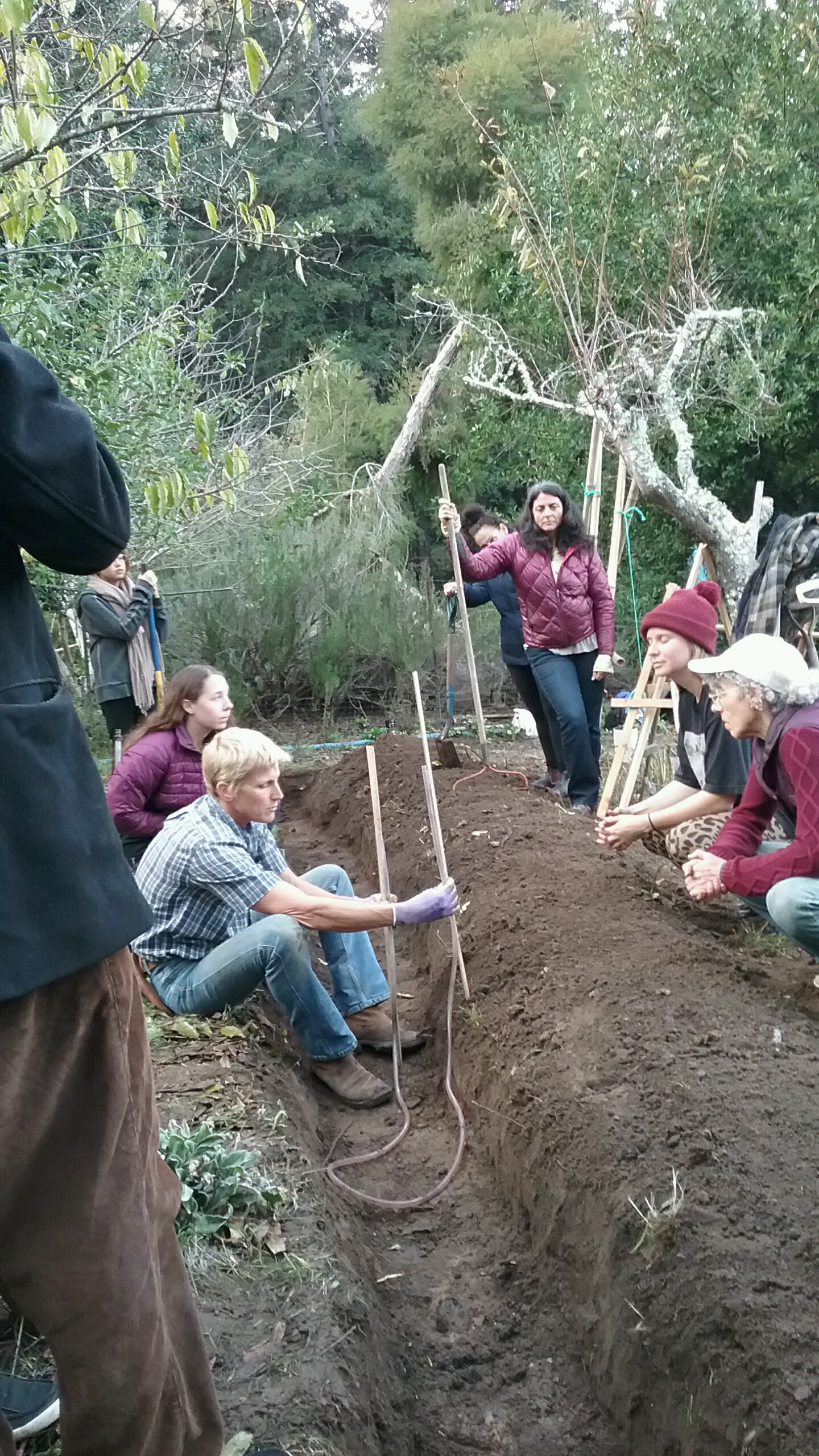
TL;DR: Smart rainwater harvesting in permaculture designs prioritizes observation, small-scale starts, and maximizing infiltration to build resilient water systems.
- Observe first, extensively, to understand your site.
- Begin water capture at the highest practical point.
- Start small with human-scale earthworks; learn and adapt.
- Slow, spread, and infiltrate water across the landscape.
- Design for overflows, guiding excess water safely.
- Maximize edges to boost biodiversity and function.
- Stack multiple functions into each component and design.
Why it matters: Effective rainwater harvesting is crucial for water security, soil health, and ecosystem resilience in any permaculture system, reducing reliance on external water sources.
Do this next: Walk your property after a rain to identify how water moves and where it naturally collects or erodes.
Recommended for: Designers, homesteaders, and gardeners who want to implement resilient, water-wise permaculture systems.
This guide from Santa Cruz Permaculture outlines seven core rainwater harvesting principles for permaculture systems, prioritizing observation, scale, and integration to maximize infiltration and minimize waste. Principle 1: Begin with long, thoughtful observation—map contours, flows, soils before digging. Principle 2: Start at the top of the watershed, capturing water at high points to gravity-feed lower areas. Principle 3: Start small and simple—human-scale earthworks like mini-swales reduce maintenance errors, allowing iterative learning. Principle 4: Spread and infiltrate flow—use berms, swales, check dams to slow runoff, settling sediments and building soil fertility; in sloped nets, this curbs erosion, boosts drought resistance. Principle 5: Plan overflow routes, treating excess as resources directed sequentially downhill, stabilized by rock or vegetation. Principle 6: (Implied in context) Maximize edges for biodiversity. Principle 7: Stack functions—berms as paths, cisterns as walls/shade, dams stabilizing roads. Examples: contour swales on hillsides plant water for trees; urban roofs to gardens. Benefits: improved aquifer recharge, vegetative production, ecosystem stability. Applicable to farms, yards, cities; aligns with permaculture's pattern-to-details ethic. Complements arid strategies like Brad Lancaster's Tucson work. Step-by-step: survey, prioritize ridges, trial small, monitor, expand. Avoids pitfalls like oversized ponds failing. Timeless, adaptable to climates—temperate to drylands.