Grand Teton Grains: Ancient Wheat, Regenerative Future
PermaNews Brief
Key Takeaways
Ancient grain farms in Idaho use regenerative agriculture to produce nutrient-dense food and build soil health.
- Regenerative farms produce nutrient-dense ancient grains.
- Diverse plantings improve soil and suppress weeds.
- Farms mimic natural ecosystems for fertility.
- Policy incentives support soil health programs.
- Practices enhance microbial activity and organic matter.
- Long-term viability through carbon sequestration.
- Regenerative methods reduce costs and improve products.
- Model for transitioning conventional farms.
Why It Matters
Regenerative agriculture offers a path to healthier food, resilient ecosystems, and a more sustainable food system for everyone.
What to Do Next
Research local farms practicing regenerative agriculture and support their produce to encourage sustainable food systems.
Recommended for: Anyone interested in the practical application of regenerative agriculture for large-scale food production and its benefits for soil health and nutrition.
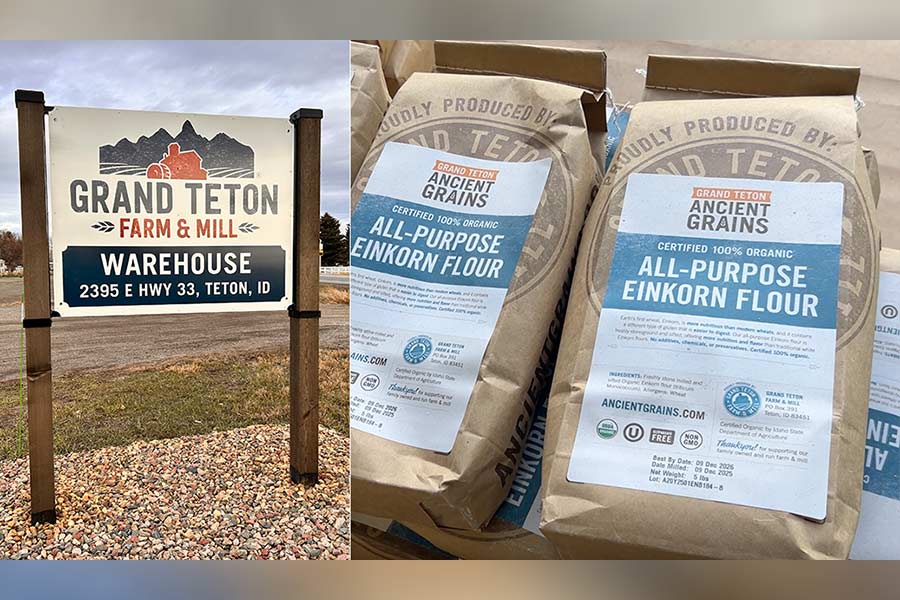
Grand Teton Ancient Grains in Sugar City, Idaho, harvests organic ancient wheats like einkorn, emmer, spelt, khorasan, and rye on 1,600 acres across Teton, Wilford, and Sugar City, using regenerative techniques to deliver nationwide nutrient-dense foods. Founded in 2018 by farmers with deep roots in regenerative agriculture, the operation harnesses the sun as the ultimate energy source, capturing and storing solar power as soil carbon through symbiotic seed relationships. Practical steps involve planting diverse species with natural partnerships—legumes for nitrogen fixation, brassicas for soil aeration and weed control—tapping into Earth's pre-existing biological systems for advanced, input-free fertility. This method, incentivized by policies like the U.S. Department of Agriculture's $700 million soil health pilot program, builds resilient soils without synthetics. Farmers emphasize working with 'God-built' soil biology, the planet's most sophisticated technology, to enhance microbial activity, organic matter, and plant health. Results include superior nutrient density, flavor, and disease resistance in grains, verified by soil tests showing progressive improvements. Key actionable details: implement rotations and intercropping to maintain living roots, integrate compost for nutrient cycling, and prioritize carbon sequestration for long-term viability. The farm's expansion from modest beginnings underscores scalability, with protective post-harvest handling ensuring quality. For regenerative organic practitioners, this case illustrates how ancient-inspired, nature-aligned practices yield concrete outcomes—healthier soils, reduced costs, and premium products—amid growing policy support, providing a model for transitioning conventional operations to self-sustaining ecosystems.
Source: eastidahonews.com
Related Analysis
- High-Salt Fertilizers Block Soil Microbes, Kempf Says — High-salt fertilizers disrupt soil microbes and microbial colonization, trapping farmers in chemical dependency. Biologi…
- Fertilizer Shortage Forces Reckoning on Nitrogen Sources — Fertilizer supply crisis drives farms toward nitrogen-fixing cover crops, compost, and legume rotations as alternatives.
Related on PermaNews
- Ernst Götsch's Cacao Syntropy: Master Agroforestry Now (How-To Guide)
- Designing Regenerative Resilience: Participatory Living Labs (How-To Guide)
- Lo—TEK: Indigenous Tech for Climate Solutions (Article)
- Nakivale's Regenerative Toilets: Refugee Resilience, Circular Sanitation (Case Study)
- Pippin Home Designs: Regenerative Home Design Explained (How-To Guide)
- Federal Policy Shift: Native Regenerative Ag for Soil & Carbon (Article)
Explore more in Food Systems & Growing — the full hub for this knowledge area.