March Allotment Tour: From Dormancy to Abundance
By Outgrow : The Art & Practice of Self-sufficiency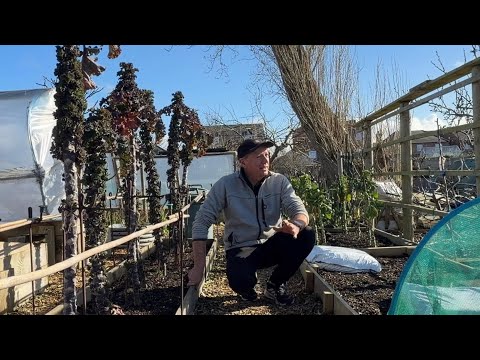
TL;DR: An early March allotment tour showcases the transition from winter to spring, emphasizing foundational soil work, pest control, crop rotation, and pruning for future abundance.
- Prepare soil with compost for vigorous growth.
- Protect brassicas from pests using physical barriers.
- Practice crop rotation for soil health and disease prevention.
- Prune berry bushes to encourage new growth and fruit.
- Utilize mulches for moisture retention and weed suppression.
Why it matters: Understanding early spring tasks in an allotment sets the stage for a productive growing season, impacting yield and overall garden health.
Do this next: Prioritize soil enrichment by applying compost and organic matter to your garden beds.
Recommended for: Home gardeners and allotment holders looking for practical advice on early spring garden preparation and maintenance.
This article details an early March tour of an allotment, highlighting the transition from winter dormancy to spring activity and the anticipation of future abundance. The tour begins with an observation of the fruit cage, which is currently empty but holds the promise of summer harvests. The focus then shifts to the preparation of the ground for new plantings. The author discusses the importance of soil health, mentioning the application of compost and other organic matter to enrich the soil. This foundational work is crucial for supporting the vigorous growth expected in the coming months.
The tour continues to the brassica bed, where some overwintered plants are still present, alongside new seedlings. The author notes the challenges of pest control, particularly with brassicas, and outlines strategies for protecting young plants from common garden pests. This includes physical barriers and careful monitoring. The discussion emphasizes the continuous effort required to maintain a healthy and productive brassica patch.
Next, the article moves to the root vegetable area. While many root crops are still in their early stages or yet to be planted, the author reflects on past successes and plans for the upcoming season. The importance of proper spacing and thinning for optimal root development is highlighted. The author also touches upon the benefits of crop rotation in preventing soil-borne diseases and maintaining soil fertility, a key principle in sustainable gardening.
The tour then progresses to the soft fruit section, where various berry bushes are beginning to show signs of life. Pruning techniques for different types of berries are discussed, aimed at encouraging new growth and maximizing fruit production. The author also mentions the use of mulches around these plants to retain moisture and suppress weeds, contributing to a healthier growing environment.
A significant portion of the article is dedicated to the greenhouse and cold frames. These structures are vital for starting seeds early and extending the growing season. The author details the types of seeds currently being germinated, such as tomatoes, peppers, and various herbs, and explains the process of hardening off seedlings before transplanting them outdoors. The controlled environment of the greenhouse allows for a head start on many crops, which is particularly beneficial in temperate climates.
The article also touches upon the perennial beds, where established plants are emerging from their winter slumber. The author discusses the division of some perennials to rejuvenate them and create new plants, a practice that enhances the overall health and productivity of the bed. The inclusion of companion planting strategies is also mentioned, where certain plants are grown together to deter pests or improve growth.
Finally, the author reflects on the overall progress of the allotment and the sense of satisfaction derived from working with nature. The article concludes with an optimistic outlook for the growing season, emphasizing the continuous cycle of planting, nurturing, and harvesting that defines allotment gardening. The early March tour serves as a reminder of the foundational work required to achieve a bountiful harvest later in the year, underscoring the principles of self-sufficiency and sustainable food production.