Kitchen Gardens: Climate Resilience, Nutrition & Livelihoods
By Ripple Effect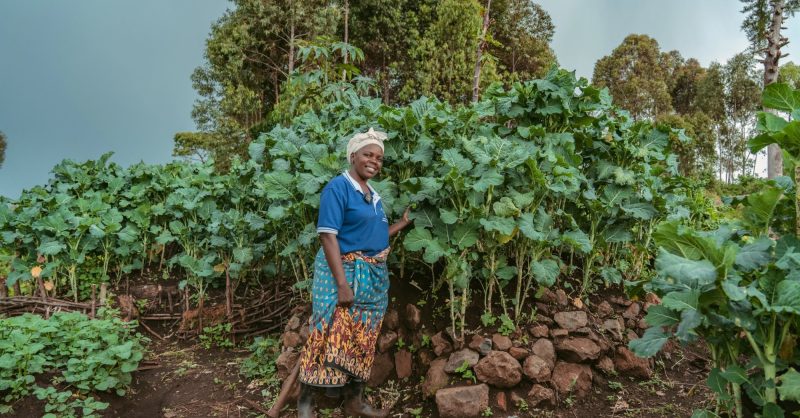
TL;DR: Kitchen gardens offer a powerful, scalable solution for climate resilience and improved nutrition worldwide.
- Boosts nutrition and food security.
- Enhances resilience to climate shocks.
- Empowers marginalized communities.
- Generates income from surplus sales.
- Promotes sustainable, regenerative practices.
Why it matters: Kitchen gardens provide immediate, local food access and strengthen community adaptive capacity against global environmental and economic changes.
Do this next: Start a small kitchen garden this week, focusing on resilient, local plant varieties.
Recommended for: Anyone seeking practical ways to enhance food security and climate adaptation through local, sustainable practices.
Ripple Effect's blog explains kitchen gardens' multifaceted role in improving nutrition, building climate shock resilience, enabling economic participation for marginalized communities, and supporting family livelihoods. These small-scale gardens provide diverse, fresh produce, enhancing dietary quality and food security in vulnerable areas. They incorporate climate-smart practices like water-efficient methods and soil-building techniques to withstand droughts, floods, and other extremes. The approach empowers rural families, particularly women and youth, through training in setup, maintenance, and regenerative techniques, fostering self-reliance. Documented impacts include reduced malnutrition, stabilized incomes via surplus sales, and strengthened community networks. Practical details cover site selection near homes for easy access, crop rotation for soil health, composting organic waste, and selecting resilient varieties suited to local climates. By closing nutrient loops and minimizing external inputs, kitchen gardens exemplify low-cost, high-impact adaptation. The piece highlights field-tested implementations showing measurable gains in resilience metrics, positioning them as scalable solutions for global challenges in food systems and climate adaptation.