Precision Composting: Your Garden's Secret Weapon
By Huw Richards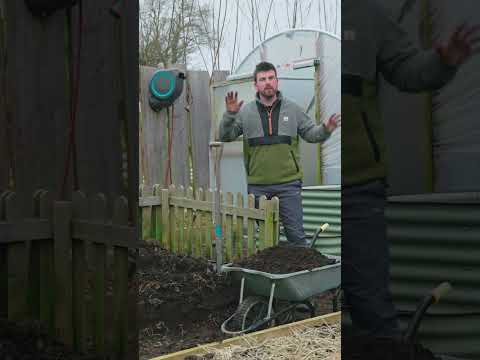
TL;DR: Compost is more than a soil amendment; it is a versatile tool for targeted garden solutions, optimizing soil structure and nutrient delivery.
- Tailor compost types to specific plant needs.
- Improve soil structure in clay or sandy soils.
- Boost microbial activity for natural fertilization.
- Reduce reliance on synthetic fertilizers.
- Vary nutrient content based on source materials.
Why it matters: Understanding compost as a precision tool transforms gardening practices, leading to healthier plants, improved soil resilience, and reduced environmental impact through sustainable nutrient cycling.
Do this next: Explore different compost recipes to match them with specific garden challenges.
Recommended for: Anyone looking to elevate their gardening skills by intelligently utilizing compost for specific and impactful results.
Compost, often viewed as a general soil amendment, can be more effectively utilized when considered a precision tool in gardening. Its diverse benefits extend beyond simply enriching the soil, offering tailored solutions for various plant needs and garden challenges. Understanding the different types of compost and their specific applications allows gardeners to maximize their impact and foster healthier, more productive ecosystems.
One fundamental aspect of treating compost as a precision tool involves recognizing its role in improving soil structure. For heavy clay soils, incorporating compost helps to loosen the particles, enhancing drainage and aeration. This prevents waterlogging and allows plant roots to penetrate more easily, accessing essential nutrients and oxygen. Conversely, in sandy soils, compost acts as a binder, improving water retention and nutrient-holding capacity. It creates a more stable environment, reducing the leaching of vital elements and ensuring a consistent supply for plants.
Beyond structural improvements, compost is a powerhouse of microbial activity. A healthy compost pile teems with beneficial bacteria, fungi, and other microorganisms that play a crucial role in nutrient cycling. When added to the garden, these microbes decompose organic matter, converting it into forms readily available for plant uptake. This natural fertilization process reduces the reliance on synthetic fertilizers, promoting a more sustainable and environmentally friendly approach to gardening. Different composts can have varying microbial profiles, and selecting one rich in specific beneficial organisms can address particular soil health issues, such as suppressing plant diseases or enhancing nutrient availability for certain crops.
The nutrient content of compost also varies depending on its source materials. For instance, compost made primarily from kitchen scraps and green waste tends to be richer in nitrogen, which is essential for leafy growth. This type of compost would be ideal for vegetables like lettuce, spinach, or brassicas. On the other hand, compost with a higher proportion of woody materials or autumn leaves will have a greater carbon content, making it excellent for building long-term soil health and improving overall soil structure. Understanding these differences allows gardeners to select compost that provides the specific nutrient balance required by their plants at different growth stages.
Compost can also be used strategically for specific planting needs. When starting seeds, a finely sifted compost can provide a sterile, nutrient-rich medium that encourages strong germination and early root development. For transplanting seedlings, a blend of compost and garden soil can help reduce transplant shock by providing a familiar and supportive environment. For established plants, a top-dressing of compost can offer a slow-release source of nutrients and help suppress weeds, acting as a natural mulch.
Furthermore, compost can be a valuable tool in managing soil pH. While not a dramatic pH adjuster, consistent application of mature compost tends to buffer soil pH, bringing it closer to a neutral range, which is optimal for most plants. This buffering capacity helps to stabilize soil conditions, making nutrients more accessible and reducing stress on plants.
In essence, viewing compost as a precision tool encourages a more thoughtful and informed approach to gardening. It moves beyond the idea of simply adding organic matter and instead focuses on understanding the specific properties of different composts and how they can be strategically applied to address particular soil conditions, plant requirements, and garden goals. This nuanced understanding allows gardeners to cultivate thriving, resilient gardens with reduced external inputs and a greater appreciation for the intricate processes within the soil ecosystem.