MENA's Regenerative Agriculture: Arid Adaptations Thrive
By iGrow News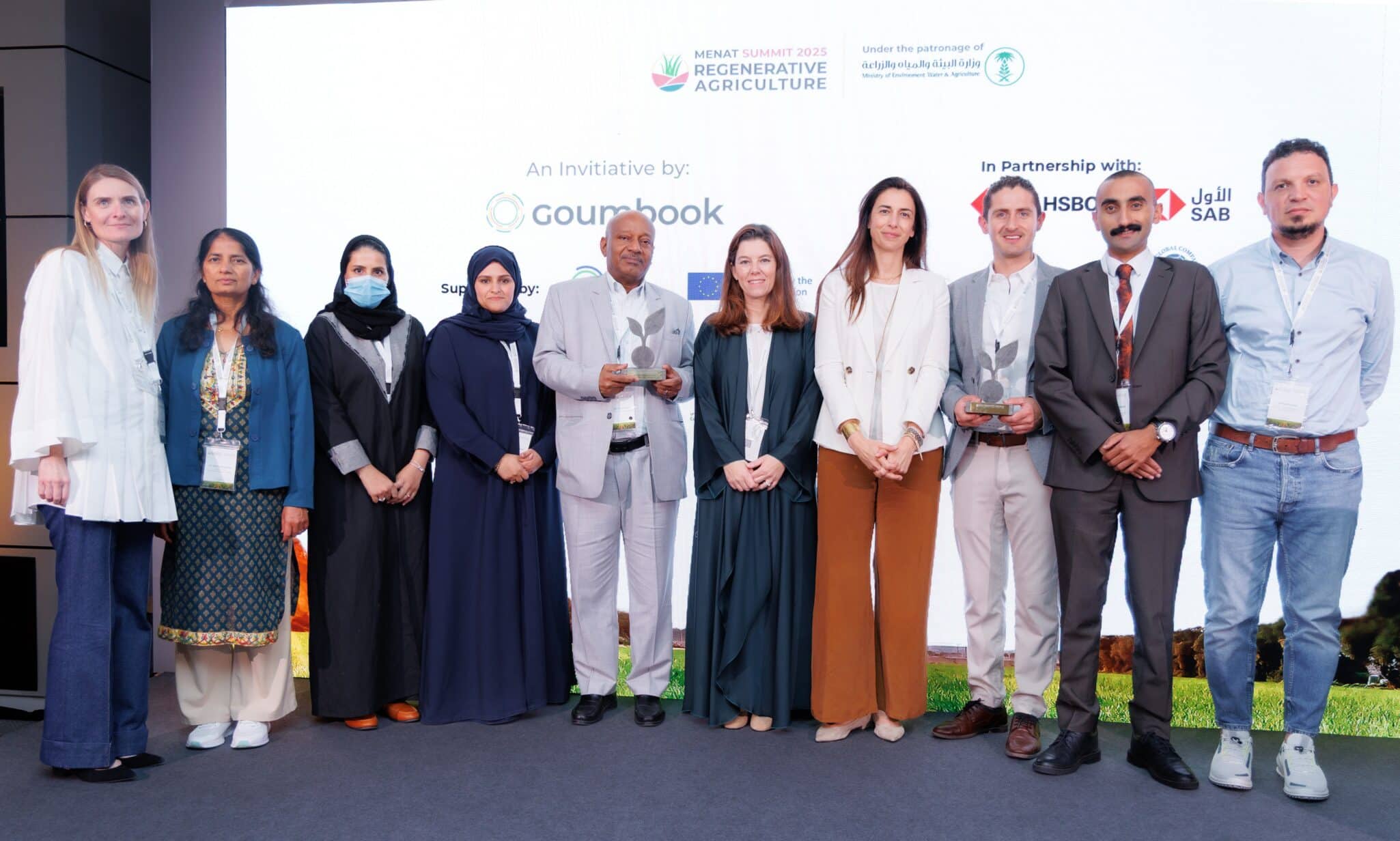
TL;DR: MENA countries are leading the way in adapting regenerative agriculture to arid and hot climates, creating a new model for global food systems.
- Arid-climate regenerative agriculture is distinct from temperate-zone models.
- MENA summit sparked cross-sector policy and research collaboration.
- Regional initiatives foster innovation and climate-resilient agriculture.
- Biodynamic farming transforms deserts into productive land.
- Farmer training and carbon crediting boost sustainable practices.
- Key techniques: biochar, composting, no-till, integrated crops, water strategies.
Why it matters: The MENA region's success in regenerative agriculture offers crucial lessons for other dry regions globally, demonstrating how to build resilient food systems in challenging environments.
Do this next: Research local initiatives and organizations focused on arid-land regenerative agriculture in your region or a region you want to help.
Recommended for: Farmers, policymakers, researchers, and development practitioners in dryland regions interested in innovative and locally adapted regenerative agricultural practices.
This article provides a thorough overview of how regenerative agriculture is being adapted and scaled across the Middle East and North Africa (MENA), emphasizing that regenerative approaches in the region must be tailored to arid-climate realities rather than simply transferred from temperate-zone models. It opens by situating recent momentum, including the inaugural MENAT Regenerative Agriculture Summit held in Riyadh in May 2025, which convened more than 120 participants from international bodies (FAO, ICARDA, IFPRI), corporates, and government agencies, and which catalyzed cross-sector coordination on policy, research, and implementation. The piece outlines the formation and objectives of the MENA Regenerative Agriculture Initiative — a regional effort aimed at building an enabling ecosystem, mobilizing stakeholders, and positioning the region as a seedbed of innovation for climate-resilient agriculture — and explains how the initiative focuses on evidence-based research, scalable innovations, and accessible nature-based solutions specifically designed to address arid-land constraints. Key on-the-ground examples and case studies illustrate the article’s main claims: SEKEM’s long-term biodynamic work, which since 1977 has transformed roughly 1,800 hectares of desert into productive farmland, is presented as a model of large-scale landscape transformation; the Egyptian Biodynamic Association (EBDA) is cited for its farmer training programs (training over 1,500 farmers) and participation in the Economy of Love standard, with claims that more than 30,000 farmers now participate and that combined biodynamic practices with carbon-crediting approaches have led to reported sequestration of over 260,000 tonnes of CO₂ in two years. The article highlights practical regenerative techniques gaining traction in MENA — such as biochar production, composting, soil amendments, no-till or reduced-till approaches, integrated crop–livestock practices, and water-focused strategies — and explains why water services and immediate productivity improvements are often more persuasive drivers of adoption in water-scarce contexts than carbon markets alone. Economic and policy insights stress that viable regional models typically rely on blended revenue streams — combining immediate productivity gains, supply-chain premiums for export crops, payments for ecosystem services where available, and nascent carbon-market income — because carbon infrastructure and robust payment frameworks remain underdeveloped in many MENA countries. The article discusses technical and institutional barriers (saline soils, desertification, fragmented extension services, and limited monitoring and verification systems for carbon) and recommends priorities: locally relevant applied research, capacity building for farmers and extension agents, better data to quantify soil health and water-retention gains, pilot programs that demonstrate short-term agronomic and income benefits, and multi-stakeholder platforms to align policy, finance, and market actors. It also addresses innovation diffusion across the region, noting that technologies and business models tested in one country (for example, biochar initiatives in the UAE or no-till in Morocco) can be adapted elsewhere in MENA and potentially in other arid regions globally. Throughout, the article maintains a pragmatic tone: acknowledging the potential of regenerative practices for climate resilience, biodiversity, and carbon sequestration while urging realistic expectations about the timeline and the need for supportive policy, finance, and measurement systems to convert pilot success into broad, lasting adoption.