Early June Tomatoes: Potting On for a Quick Harvest
By Outgrow : The Art & Practice of Self-sufficiency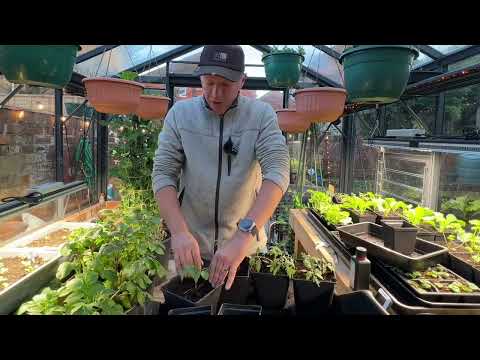
TL;DR: Starting tomato seeds indoors and transplanting them carefully accelerates growth for an earlier harvest, bypassing harsh outdoor conditions.
- Sow seeds indoors in late winter or early spring.
- Use quality seed-starting mix for germination.
- Maintain consistent moisture and warmth (20-25°C).
- Provide adequate light to prevent leggy seedlings.
- Prick out seedlings into larger pots (7-9 cm).
- Plant deeply to encourage stronger root systems.
Why it matters: Cultivating early tomatoes indoors allows gardeners to enjoy ripe fruit much sooner than traditional outdoor planting methods, extending the harvesting season.
Do this next: Watch the video to see the full process of potting on early tomatoes.
Recommended for: Gardeners looking to extend their tomato harvesting season by starting plants indoors.
The process of cultivating early tomatoes for a harvest in early June involves several crucial steps, beginning with the initial sowing and progressing through careful transplanting and nurturing. The primary objective is to accelerate the growth cycle, allowing for ripe fruit much sooner than traditional outdoor planting methods.
The journey starts with sowing tomato seeds indoors, typically in late winter or early spring. This early start provides a significant advantage, shielding the delicate seedlings from harsh outdoor conditions like frost and cold temperatures. Using seed trays or small pots filled with a high-quality seed-starting mix is essential. This mix offers a sterile, fine-textured environment that promotes good germination and prevents damping-off disease. Seeds are usually sown shallowly, just beneath the surface, and then lightly covered. Consistent moisture and warmth are critical during this phase; a heated propagation mat can be beneficial for maintaining optimal soil temperatures, which are often around 20-25°C (68-77°F) for most tomato varieties. Adequate light is also paramount; if natural light is insufficient, grow lights should be employed to prevent leggy, weak seedlings.
Once the seedlings develop their first set of true leaves, they are ready for their first transplant, a process known as "pricking out." This involves carefully moving individual seedlings from the crowded seed tray into larger, individual pots, typically around 7-9 cm (3-3.5 inches) in diameter. This step provides more space for root development and reduces competition for nutrients and light. When transplanting, it's important to handle the seedlings by their leaves rather than their stems, as stems are more susceptible to damage. The seedlings should be planted deeper than they were in the seed tray, up to their first set of true leaves, as tomatoes have the ability to form roots along their buried stems, leading to a stronger root system. A good quality potting mix, richer in nutrients than seed-starting mix, is used for this stage.
After a few weeks in these individual pots, as the plants grow larger and their root systems begin to fill the containers, they will require another transplant into even larger pots, often around 15-20 cm (6-8 inches) in diameter. This "potting on" stage is crucial for continued vigorous growth. Again, the plants should be planted deeply, burying more of the stem to encourage further root development. At this point, the plants are becoming more substantial and may benefit from some initial support, such as small stakes, to prevent them from flopping over. Regular watering is essential, ensuring the soil remains consistently moist but not waterlogged. Fertilization can also begin at this stage, using a balanced liquid feed at a reduced strength.
As the weather outside begins to warm and the risk of frost diminishes, the tomato plants need to be gradually acclimated to outdoor conditions through a process called "hardening off." This involves progressively exposing them to increasing periods of outdoor exposure over a week or two, starting with a few hours in a sheltered spot and gradually increasing the duration and exposure to sun and wind. This toughens the plants and reduces transplant shock when they are finally moved to their permanent outdoor location.
For an early June harvest, the final planting into their permanent growing site, whether it's a greenhouse, polytunnel, or a sheltered outdoor bed, should occur when all danger of frost has passed and night temperatures are consistently above 10°C (50°F). In many regions, this might be in late April or early May. The chosen site should offer full sun exposure and well-draining, fertile soil. Providing strong support structures, such as stakes or cages, at the time of planting is vital, as tomato plants can become quite heavy with fruit. Continued care, including consistent watering, regular feeding with a tomato-specific fertilizer, and pruning to manage growth and airflow, will contribute to a healthy plant and an abundant early June harvest.
Source: youtube.com
Related Analysis
- Farms Build Resilience, Pivot to Regenerative Soil — New initiatives and analysis explicitly frame regenerative agriculture as a direct solution for climate resilience, focu…
- Federal Policy Pivots, Builds Indigenous Agriculture Frameworks — Federal policy trends are integrating Indigenous knowledge with soil science in regenerative agriculture, shifting polic…
Related on PermaNews
- Spring to Summer Gardening Tips: Heat, Pests, Watering & Tomato Problems (Zone 9a) (Podcast)
- 🍅 Cómo sembrar tomates en maceta correctamente | Guía básica para balcones y terrazas (Video)
- Growing Peppers from Seed in Zone 4 (From Sweet Bells to the World's Hottest!) (Video)
- Why Most Zone 4 Gardeners Fail at Tomatoes (Do This Instead) (Video)
- April Permaculture Tour: Interplanting, Early Harvests, No-Dig UK (Video)
- Boost Tomato Yield: Avoid These Seedling Mistakes (Video)
Explore more in Food Systems & Growing — the full hub for this knowledge area.