Zone 9a SE Texas: Garden From Scratch Success Guide
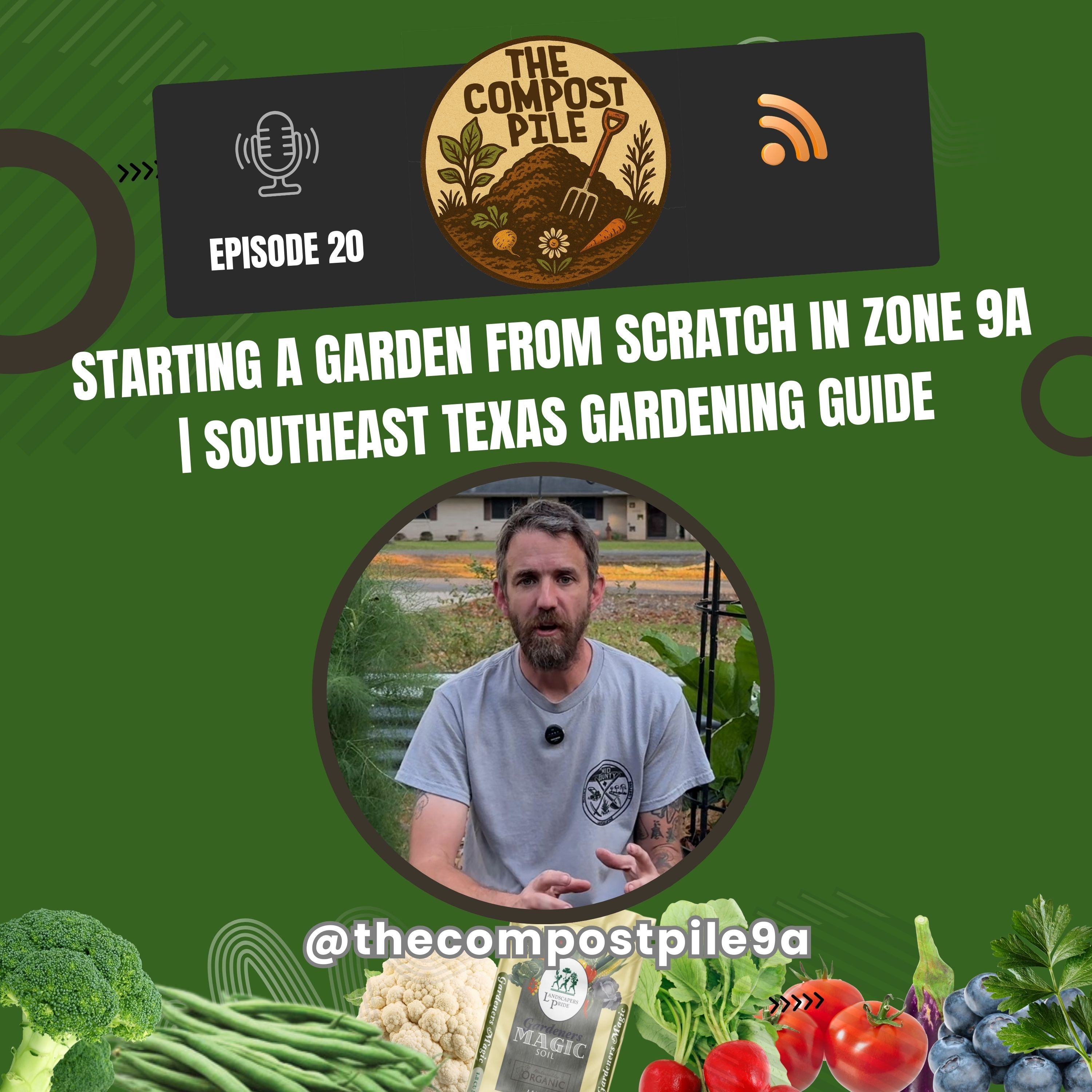
TL;DR: Starting a garden in challenging climates like Zone 9a requires thoughtful preparation, focusing on soil improvement, climate-appropriate plant selection, and efficient watering.
- Amend heavy clay soil for better drainage and aeration.
- Choose heat-tolerant plant varieties for hot, humid climates.
- Drip irrigation conserves water and prevents disease.
- Plan for intense summer heat to avoid crop failure.
- Implement integrated strategies for pest management.
Why it matters: Healthy soil is the foundation for a thriving garden, directly impacting plant health and nutrient uptake. Proper planning and pest management are crucial for successful harvests in challenging environments.
Do this next: Listen to the full podcast to get detailed advice on starting your garden from scratch in Zone 9a.
Recommended for: Beginner gardeners in hot, humid climates with challenging soil looking for foundational advice to start a successful garden.
This guide provides a comprehensive approach to establishing a new garden in USDA Zone 9a, specifically tailored for the challenging climate of Southeast Texas. The core philosophy emphasizes preparation and understanding the unique environmental factors to ensure gardening success.
A primary focus is on soil improvement, particularly addressing the prevalent heavy clay soils in the region. The recommendation is to amend clay soil to enhance drainage and aeration, which is crucial for root health and overall plant vigor. The guide stresses that healthy soil, rich in organic matter, is fundamental for a thriving garden, as it directly impacts the ability of plant roots to access oxygen and nutrients.
When selecting crops, the guide advises prioritizing heat-tolerant varieties that can withstand the high humidity and intense summer temperatures characteristic of Southeast Texas. For instance, cherry tomatoes are highlighted as a more reliable choice than larger slicing tomato varieties, which often struggle in the extreme heat. Planning for the intense July heat well in advance is presented as a critical strategy to mitigate potential crop failure.
Effective watering techniques are also discussed, with a comparison between drip irrigation and hand watering. Drip irrigation is often favored for its efficiency in delivering water directly to the plant roots, minimizing waste and reducing the incidence of fungal diseases that can arise from overhead watering in humid conditions.
Pest management is another key area, with specific mention of common garden pests like stink bugs and caterpillars. The guide implicitly encourages proactive and integrated pest management strategies to protect crops without relying solely on chemical interventions.
For those starting a garden from scratch, budgeting wisely is presented as an important consideration. This involves making informed decisions about initial investments in soil amendments, tools, and plant materials to maximize resources.
A significant insight offered is that the second year of gardening often yields better results than the first. This acknowledges the learning curve involved in understanding a specific microclimate and soil, and the benefits of accumulated organic matter and improved soil structure over time.
The guide also cautions against common beginner mistakes in the Southeast Texas climate, such as planting too early in the season when temperatures might still fluctuate, overwatering which can lead to root rot in heavy soils, and selecting crops that are not well-suited to the local heat and humidity.
In essence, the advice provided is a practical, climate-specific roadmap for gardeners in Zone 9a, particularly in Southeast Texas, aiming to cultivate a successful and resilient garden by focusing on soil health, appropriate crop selection, efficient watering, pest management, and strategic planning.