Farm Shed Selection: Ultimate Industrial Guide
By Eleri Murray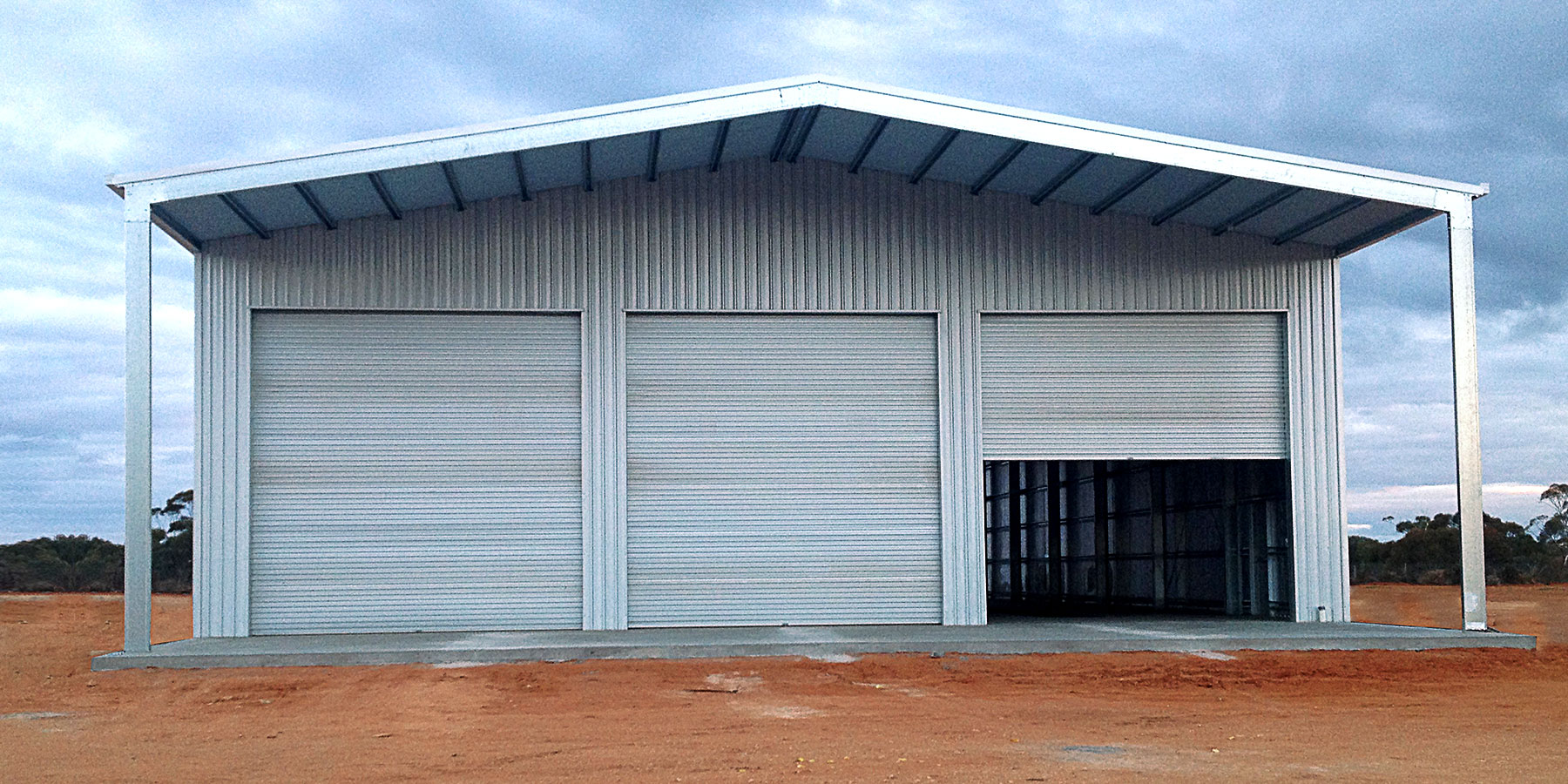
TL;DR: Selecting the right farm shed requires careful planning to match purpose, size, and materials to current and future agricultural needs.
- Define shed purpose clearly upfront.
- Assess current and future size needs.
- Choose materials based on durability and cost.
- Consider specific ventilation for livestock.
- Plan for easy access for machinery.
- Prioritize adaptability for future growth.
Why it matters: A well-chosen farm shed optimizes operations, protects assets, and supports long-term farm development, preventing costly re-investments.
Do this next: Inventory all items or livestock needing shelter to accurately determine the required shed size and features.
Recommended for: New or experienced farmers looking to invest in or optimize their on-farm infrastructure.
Choosing an appropriate industrial shed for a farm is a significant decision that influences various agricultural operations. The selection process requires careful consideration of several factors to ensure the shed effectively meets current needs, offers durability, and provides adaptability for future requirements.
One of the primary considerations is the intended purpose of the shed. Farms utilize sheds for a diverse range of functions, including the storage of machinery and equipment, housing and protection of livestock, and facilities for processing crops. Each of these applications has distinct requirements regarding space, ventilation, insulation, and structural integrity. For instance, a shed designed for machinery storage might prioritize wide access points and robust flooring, while a livestock shed would need adequate ventilation and potentially specialized flooring for animal welfare. Crop processing facilities, on the other hand, might require controlled environments, specific lighting, and access to utilities.
The size and dimensions of the shed are also crucial. This involves assessing the current volume of items to be stored or the number of animals to be housed, as well as anticipating future growth. It's often advisable to opt for a slightly larger shed than immediately necessary to accommodate expansion without needing to construct an entirely new structure. The height of the shed is particularly important for accommodating tall machinery or for stacking goods efficiently.
Material selection is another vital aspect. Common materials for industrial sheds include steel, wood, and concrete. Steel sheds are known for their strength, durability, and resistance to pests and fire, making them a popular choice for agricultural settings. Wooden sheds offer a more traditional aesthetic and can be cost-effective for smaller structures, but may require more maintenance. Concrete sheds provide excellent insulation and fire resistance but can be more expensive and less flexible in terms of modification. The choice of material should align with the local climate, budget, and the specific demands of the shed's function.
The structural design and foundation are critical for the longevity and safety of the shed. A well-engineered foundation is essential to support the weight of the structure and its contents, especially in areas prone to heavy rainfall or seismic activity. The design should also account for local building codes and environmental conditions, such as wind loads and snow loads. Proper drainage around the shed is also important to prevent water damage to the foundation and the contents within.
Ventilation and insulation are key factors, particularly for sheds housing livestock or sensitive crops. Adequate ventilation prevents the buildup of moisture, heat, and harmful gases, contributing to a healthier environment for animals and preserving the quality of stored goods. Insulation helps maintain stable internal temperatures, reducing energy costs for heating or cooling and protecting contents from extreme weather fluctuations.
Accessibility and security features are also important. This includes the type and number of doors, their size, and the ease of access for vehicles and personnel. Security measures, such as robust locks, surveillance systems, and appropriate lighting, are essential to protect valuable equipment and livestock from theft or vandalism.
Finally, considering the long-term flexibility and potential for future modifications is a forward-thinking approach. A shed that can be easily expanded, reconfigured, or adapted for different uses as the farm's needs evolve will prove to be a more valuable asset over time. This might involve choosing a modular design or a structure that allows for the addition of partitions, mezzanines, or extensions.