Craft Your Own Whole Grain Mustard: Easy & Delicious Recipe
By City Self-Sufficiency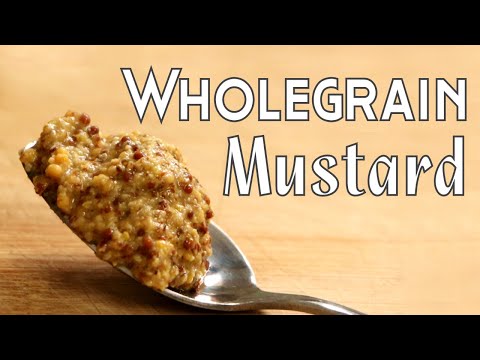
PermaNews Brief
Key Takeaways
Crafting homemade whole grain mustard is a simple process involving soaking seeds, blending, and seasoning for a customizable condiment.
- Soak mustard seeds in vinegar to soften and absorb flavor.
- Process to desired consistency; blend for smooth, less for coarse.
- Season with salt, sweeteners, and spices to enhance flavors.
- Experiment with vinegars like apple cider or white wine.
- Allow mustard to mature in the refrigerator for days.
Why It Matters
Making your own mustard offers control over ingredients, flavor, and texture, providing a healthier and more personalized condiment option.
What to Do Next
Watch the video for detailed instructions on making homemade whole grain mustard from scratch.
Recommended for: Anyone interested in creating artisanal condiments at home with control over ingredients and flavor profiles.
This guide outlines a straightforward process for crafting homemade whole grain mustard, emphasizing its simplicity and delicious outcome. The recipe begins by combining mustard seeds with a liquid base, typically a vinegar, and allowing them to soak. This initial step is crucial for softening the seeds and enabling them to absorb the flavors of the liquid, which contributes to the mustard's final texture and taste. The soaking period can vary, but generally, several hours or overnight is recommended to achieve optimal results.
Following the soaking, the mixture is then processed. This can be done using a blender, food processor, or even a mortar and pestle for a more rustic texture. The degree of processing dictates the final consistency of the mustard; a shorter processing time will yield a coarser, more whole-grain mustard, while longer processing will result in a smoother paste. During this stage, additional ingredients are incorporated to enhance the flavor profile. Common additions include salt, sugar or honey for sweetness and balance, and various spices such as turmeric for color, garlic powder, or onion powder for savory notes. The choice of vinegar also plays a significant role, with options like apple cider vinegar, white wine vinegar, or even balsamic vinegar offering distinct characteristics to the final product.
The guide stresses the importance of tasting and adjusting the seasoning throughout the process. This iterative approach ensures that the mustard achieves the desired balance of tanginess, sweetness, and spiciness. The heat of the mustard can also be controlled; some recipes suggest adding a small amount of mustard powder for an extra kick, while others rely solely on the inherent pungency of the mustard seeds.
Once the mustard reaches the desired consistency and flavor, it is transferred to clean, airtight jars. The guide advises allowing the mustard to mature for a few days in the refrigerator before consumption. This resting period allows the flavors to meld and deepen, resulting in a more complex and satisfying taste. The homemade mustard, when stored properly, can last for several weeks in the refrigerator, offering a fresh and flavorful condiment for various culinary applications.
The article highlights the versatility of homemade mustard, suggesting its use in sandwiches, dressings, marinades, or as an accompaniment to meats and cheeses. It also implicitly promotes the benefits of making condiments from scratch, such as control over ingredients, avoidance of artificial additives, and the satisfaction of creating something delicious from basic components. The overall tone is encouraging and accessible, making the process seem achievable even for novice cooks. The emphasis on "whole grain" suggests a preference for a more textured and robust mustard, appealing to those who appreciate a less refined condiment. The simplicity of the method, combined with the potential for customization, makes this a rewarding project for anyone interested in enhancing their culinary repertoire with a homemade staple.
Source: youtube.com
Related Analysis
- Composting Advice Shifts From Chemistry to Microbial Biology — Several sources suggest composting guidance is pivoting from nutrient ratios toward microbial ecology—reframing what "go…
- Does Growing Your Own Food Actually Save Money? The Real Numbers — Most home gardens save money by year two — but only if the right crops are planted. Herbs and salad greens deliver 5–10x…
Related on PermaNews
- Turn 6 Weeks of Rhubarb Into 25 Years of Storage (Video)
- Turn 6 Weeks of Rhubarb Into 25 Years of Storage (Video)
- The science of fermentation (2026) (Article)
- Chris Locke - Fermentation Is the Zero-Waste Key: Turning Juiced Limes into Four Products at Baldío (Video)
- Gemüse fermentieren – Methoden & Rezept (How-To Guide)
- Sicher Einkochen: Drucktopf-Methoden für resiliente Vorräte 2024/25 (How-To Guide)
Explore more in Food Systems & Growing — the full hub for this knowledge area.