Feb Gardening: Seedlings, Early Potatoes, Compost Woes
By Outgrow : The Art & Practice of Self-sufficiency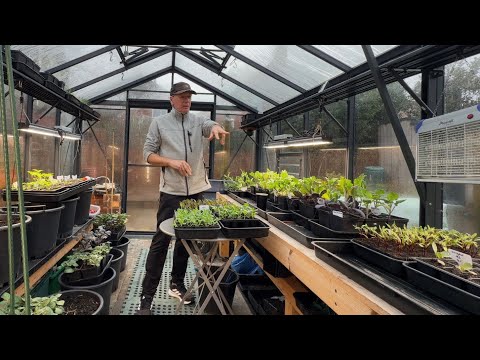
TL;DR: February gardening involves careful seedling management, early potato planting, and vigilant compost quality control for a productive growing season.
- Prioritize adequate light and moisture for indoor seedlings.
- Chill early potatoes before planting for better yields.
- Improve soil with organic matter for robust potato growth.
- Monitor compost quality to prevent plant harm.
Why it matters: Effective February gardening practices set the foundation for a successful harvest, ensuring healthy plant development and mitigating potential issues like poor soil quality.
Do this next: Start chitting your early potatoes for planting.
Recommended for: Gardeners looking to optimize their early spring planting schedule and improve soil health.
This article provides an update on various gardening activities and observations during February, focusing on the progress of seedlings, the planting of early potatoes, and issues encountered with compost.
The author notes that February saw significant progress in the growth of seedlings, particularly those started indoors. Many of these young plants, including various vegetable and herb varieties, have successfully germinated and are now developing their true leaves. This stage is crucial as it indicates the plants are establishing themselves and are ready for the next phase of growth, which often involves thinning or transplanting into larger containers. The article emphasizes the importance of providing adequate light and consistent moisture to these delicate seedlings to ensure their healthy development, especially during the shorter, often cloudier days of late winter. The author also mentions the careful monitoring of temperatures to prevent chilling or overheating, both of which can be detrimental to young plants.
A key activity highlighted in February was the planting of early potato varieties. The author describes the process of chitting potatoes, which involves allowing them to sprout in a cool, light place before planting. This practice is believed to encourage earlier and potentially larger yields. The article details the preparation of the planting area, including enriching the soil with organic matter to provide the necessary nutrients for robust potato growth. The author discusses the choice of specific early varieties known for their quick maturation and good flavor, aiming for a harvest before the main potato crop. The planting method involved creating trenches and carefully placing the chitted potatoes, ensuring proper spacing to allow for future mounding as the plants grow. The anticipation of the first potato harvest is a significant marker of the gardening season's progression.
A notable challenge encountered during this period was the discovery of issues with a batch of compost. The author describes the compost as being of poor quality, exhibiting characteristics such as an unpleasant odor, an inconsistent texture, and the presence of undesirable materials. This "dodgy" compost posed a problem as it was intended for use in potting mixes for seedlings and enriching garden beds. The article explains the potential negative impacts of using substandard compost, including the introduction of pathogens, weed seeds, or nutrient imbalances that could hinder plant growth. The author discusses the need to find alternative sources of compost or to take measures to improve the existing batch, such as turning it frequently or incorporating other organic materials to aid decomposition. This situation underscores the critical role of high-quality compost in successful gardening and the importance of vigilance when sourcing such materials.
Beyond these specific activities, the article touches upon the general rhythm of a self-sufficient lifestyle in late winter. It reflects on the ongoing tasks of garden planning, tool maintenance, and the preparation for the busier spring months. The author conveys a sense of anticipation for the upcoming growing season, despite the challenges and the continued need for careful management of resources and plant care. The observations shared provide insights into the practical realities and continuous learning involved in cultivating a productive garden, even in the less active months of the year.