2017 Permaculture Calendar: A Collaborative Resource
By Permaculture Principles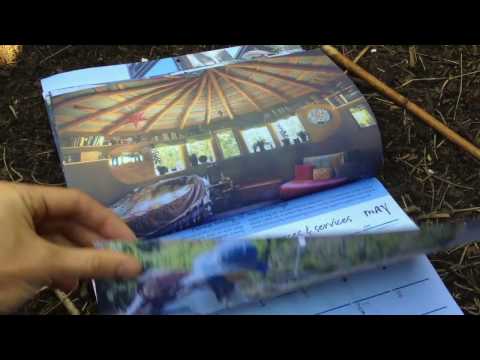
TL;DR: The 2017 Permaculture Calendar offered a comprehensive, collaborative guide for integrating permaculture principles and practices into daily life and ecological design.
- Annual guide for sustainable living.
- Covered diverse permaculture themes.
- Provided practical, actionable steps.
- Emphasized community collaboration.
- Adapted for various climates and contexts.
Why it matters: This calendar empowered individuals to apply permaculture concepts, fostering sustainable living and ecological design through practical application and community engagement.
Do this next: Explore past permaculture calendars for relevant seasonal tasks and design inspiration.
Recommended for: Anyone seeking to integrate permaculture design and practices into their lives, from beginners to experienced practitioners.
The 2017 Permaculture Calendar, a collaborative effort involving numerous contributors, served as a valuable resource for individuals interested in permaculture principles and practices. This annual publication aimed to provide a comprehensive guide and inspiration for applying permaculture concepts throughout the year. It was designed to be more than just a date-keeping tool; it was intended as a learning and planning instrument for those engaged in sustainable living and ecological design.
Each month of the calendar typically featured a specific permaculture theme or principle, offering detailed explanations and practical applications. These themes often covered a wide range of topics, from soil health and water management to food forests, animal integration, and community building. The content was carefully curated to be relevant to various climates and contexts, encouraging adaptability and observation, which are core tenets of permaculture. For instance, a month might focus on designing for efficiency, illustrating how to create systems that minimize waste and maximize output, or it might delve into the importance of biodiversity, showcasing methods for attracting beneficial insects and wildlife.
Beyond theoretical explanations, the calendar incorporated practical advice and actionable steps. This often included seasonal tasks relevant to different regions, such as planting guides for specific crops, tips for composting, or instructions for building simple permaculture structures. The goal was to empower users to implement permaculture designs in their own gardens, farms, or communities, regardless of their prior experience level. The calendar frequently provided illustrations, diagrams, and photographs to visually enhance the learning experience, making complex concepts more accessible and engaging.
A significant aspect of the 2017 Permaculture Calendar, and its predecessors, was its emphasis on community and collaboration. It often highlighted projects, initiatives, and individuals from the global permaculture movement, fostering a sense of connection and shared purpose. This included showcasing successful permaculture designs from various parts of the world, offering case studies that could inspire and inform readers. The calendar also served as a platform for sharing knowledge and experiences, often featuring contributions from experienced permaculture designers, educators, and practitioners. This collaborative approach ensured a diversity of perspectives and a rich tapestry of information.
Furthermore, the calendar frequently included sections dedicated to ethical considerations within permaculture, such as fair share, earth care, and people care. It encouraged reflection on the broader implications of human actions on the environment and society, promoting a holistic approach to sustainability. This often involved discussions on resource allocation, social justice, and the importance of creating resilient and equitable systems. The 2017 edition, like others, aimed to inspire not just practical action but also a deeper understanding of the philosophical underpinnings of permaculture.
In essence, the 2017 Permaculture Calendar was a multifaceted educational tool. It combined theoretical knowledge with practical application, fostering a deeper understanding of permaculture principles while providing actionable steps for implementation. Its collaborative nature and focus on community, ethics, and diverse applications made it a comprehensive resource for anyone looking to integrate sustainable design into their lives and environments.
Source: youtube.com
Related Analysis
- Farmers Convert Six Weeks of Rhubarb Into 25-Year Supply — Initial signals suggest a rhubarb preservation technique can extend a brief seasonal harvest into 25 years of storage—a …
- Compost Builds Soil Microbiomes—But Human Waste Divides Practitioners — A small but consistent set of signals indicates composting's soil benefits are well-documented, while human-waste compos…
Related on PermaNews
- Nachhaltigkeit neu gedacht: Natur, Mensch, Markt vereint (Article)
- Design Starts with Water (Video)
- Permaculture is Revolution Disguised as Gardening | David Holmgren—Wild & Kind series, Morag Gamble (Video)
- UN Issues AI Warning After New Data Reveals Major Impact on the Planet and Its Resources (Article)
- What is Permaculture? (Video)
- Nearly 300 Studies Link the Common Pesticide Chlorpyrifos to Multi-Organ Damage, DNA Disruption, and Chronic Disease (Article)
Explore more in Food Systems & Growing — the full hub for this knowledge area.